
Top 10 things to see in Crete with map and hidden gems
Sandy beaches, high mountains, wild gorges and sensational archaeological sites: you’ll never get bored in Crete. Follow me to the island’s most important sights, with map and hidden gems.
- Port towns and quaint villages
- Minoan culture
- Crete with children
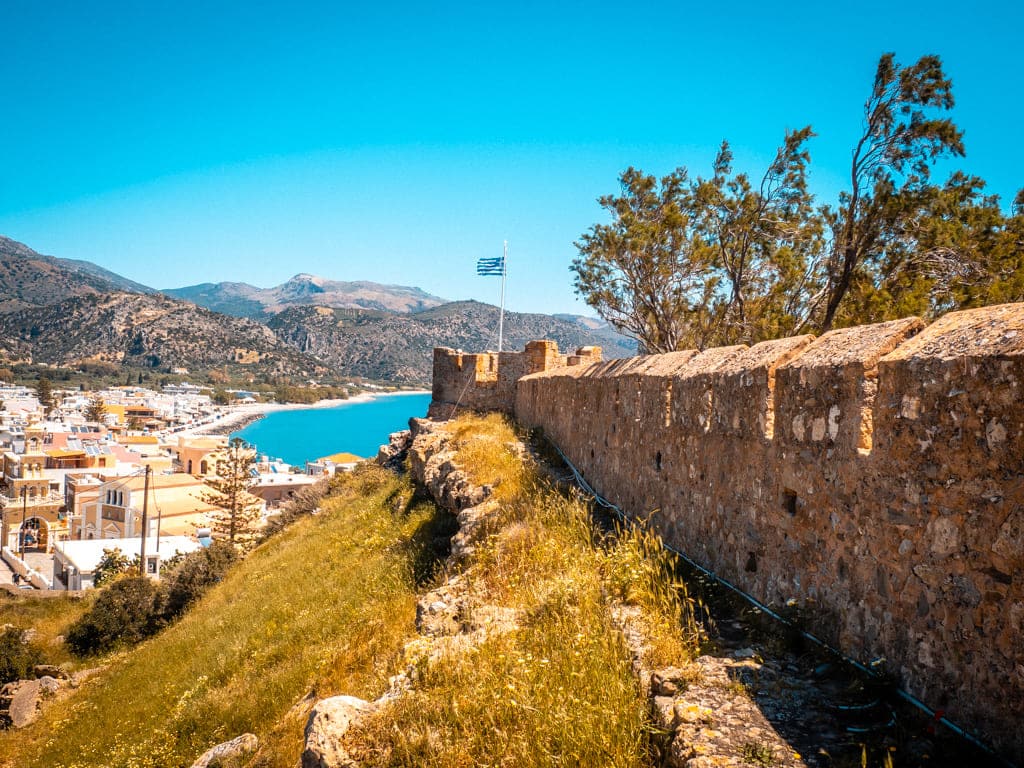
Crete, Greece’s largest island, is a holiday destination full of variety. Here, you can easily combine your beach holiday with hiking tours and sightseeing.
By Dirk Pohlers, Greece traveller from Germany. I visit every place I write about & share real tips, photos, & advice from my trips in this Crete travel blog.
For decades, the island of Crete has been one of the most popular destinations in the Mediterranean. Nevertheless, the island has not lost its charm and authentic flair. Numerous beaches, crystal-clear sea, blue and white tavernas and the fragrant hinterland characterise the landscape of the largest Greek island.
Table of Contents
Map: Things to see in Crete at a glance
Crete is one of Europe’s most popular travel destinations. But Greece’s largest island is not just a paradise for relaxing beach holidays. It is also home to numerous culturally significant sights from ancient Greece.
Palace of Knossos – Minoan Culture & Greek mythology
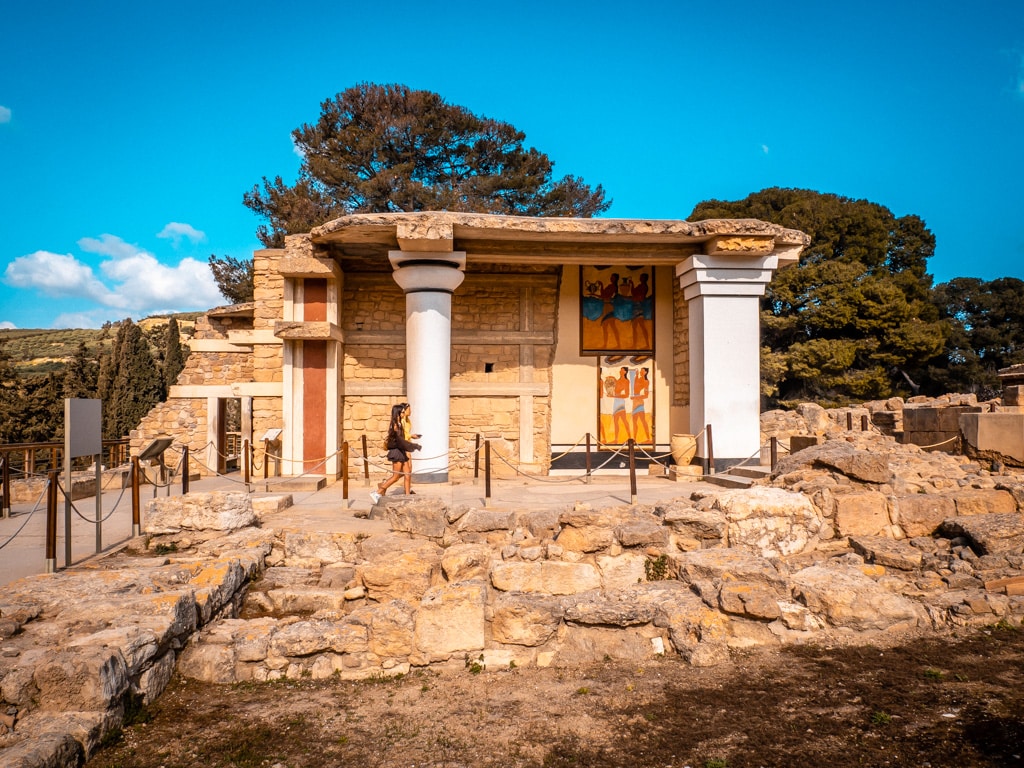
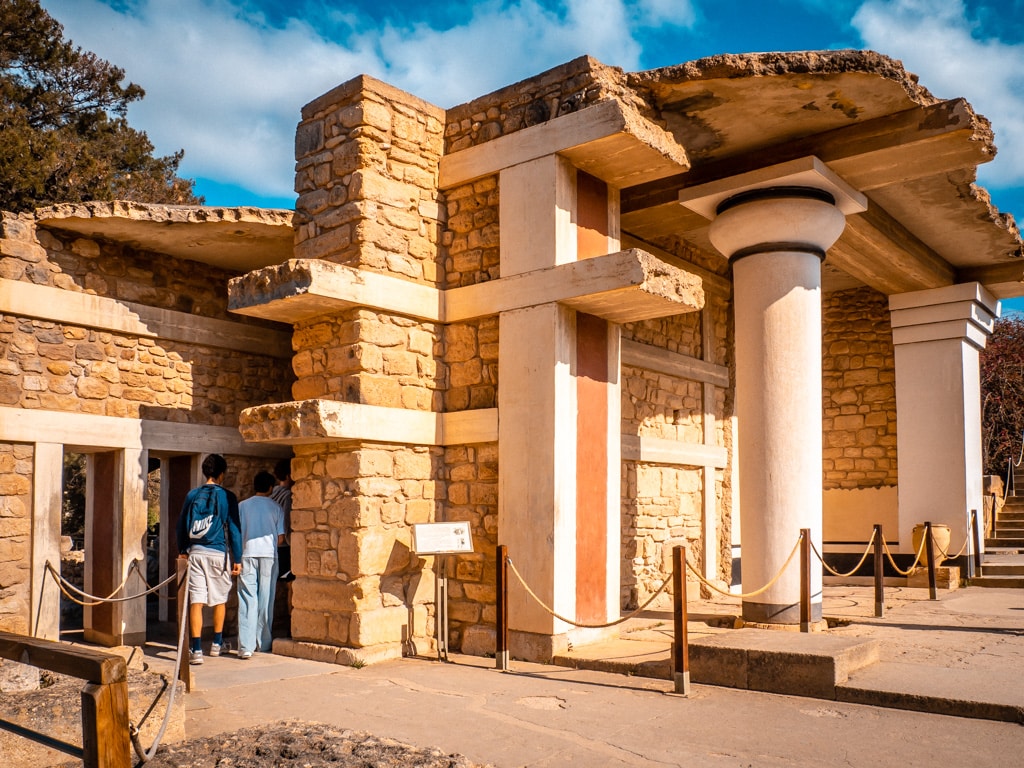
Around four kilometres south of Heraklion lies the most famous Minoan archaeological site: around 2000 BC, Knossos was a huge palace complex, home to the legendary King Minos, son of Zeus, father of the gods, and the Phoenician princess Europa. The labyrinth of the Minotaur is believed to be located in the numerous rooms, corridors and colonnades. According to legend, the monster – half man, half bull – was slain by Theseus in the labyrinth. Fortunately, the king’s daughter Ariadne had given him a ball of thread to mark his way.
- Location: approx. 5 km south of Heraklion, accessible by bus no. 2 from Heraklion or car
- Admission: Adults: from €20 (e-ticket); combined ticket with admission to the Heraklion Archaeological Museum for adults from €35
- Opening hours: open daily, 8 a.m. to 8 p.m.
- Size of the site: 21,000 m²
- Time required for a visit: about 2 hours
Today, no one needs to fear losing the thread: archaeologist Sir Arthur Evans has created a fascinating but also clearly laid out ensemble of halls, courtyards and columns from the palace ruins – a must-see on any holiday in Crete. Nevertheless, walking the paths that people walked 4,000 years ago in Knossos gives you a real Indiana Jones feeling.
Travel Tip: Visit the Palace of Knossos first, and you will have a better understanding of the other Minoan palaces on Crete (Malia, Phaistos and Kato Zakros). These are less crowded and equally exciting.
Vai Beach – Holidays in Crete under palm trees
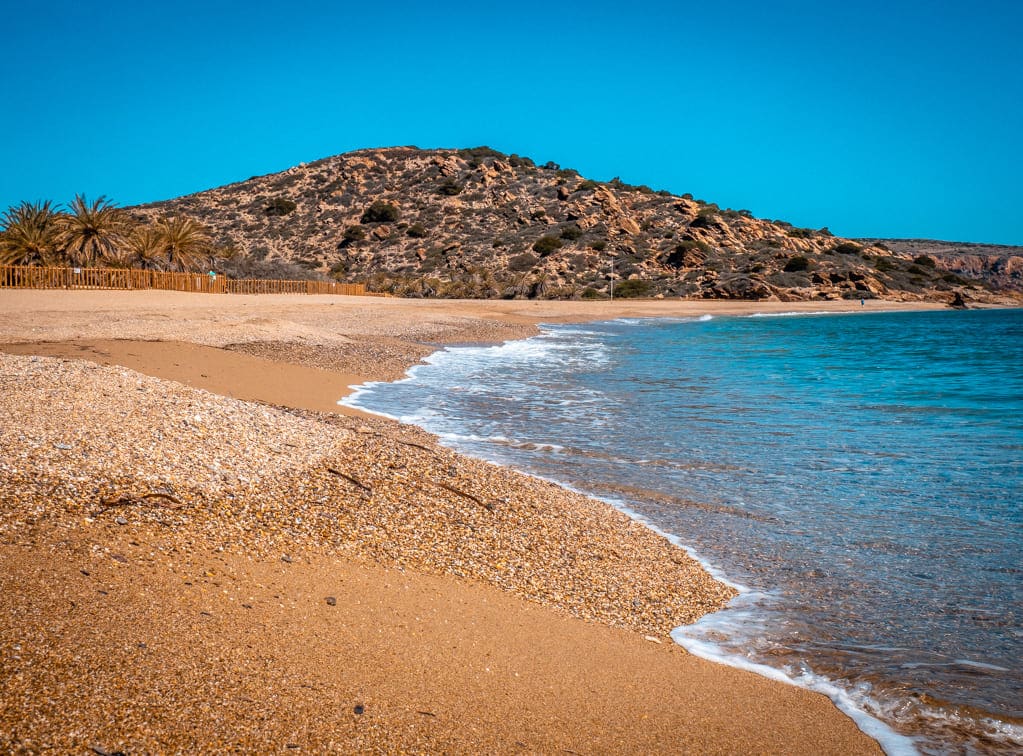
Caribbean feeling in the Mediterranean: the palm beach of Vai in eastern Crete is one of the most beautiful beaches on the island. More than 5,000 Cretan date palms provide shade. This makes Vai the largest palm grove in Europe and one of Crete’s main attractions. The beach and the surrounding region belong to the Toplou Monastery, which is also worth a visit, especially for its extensive collection of Byzantine icons.
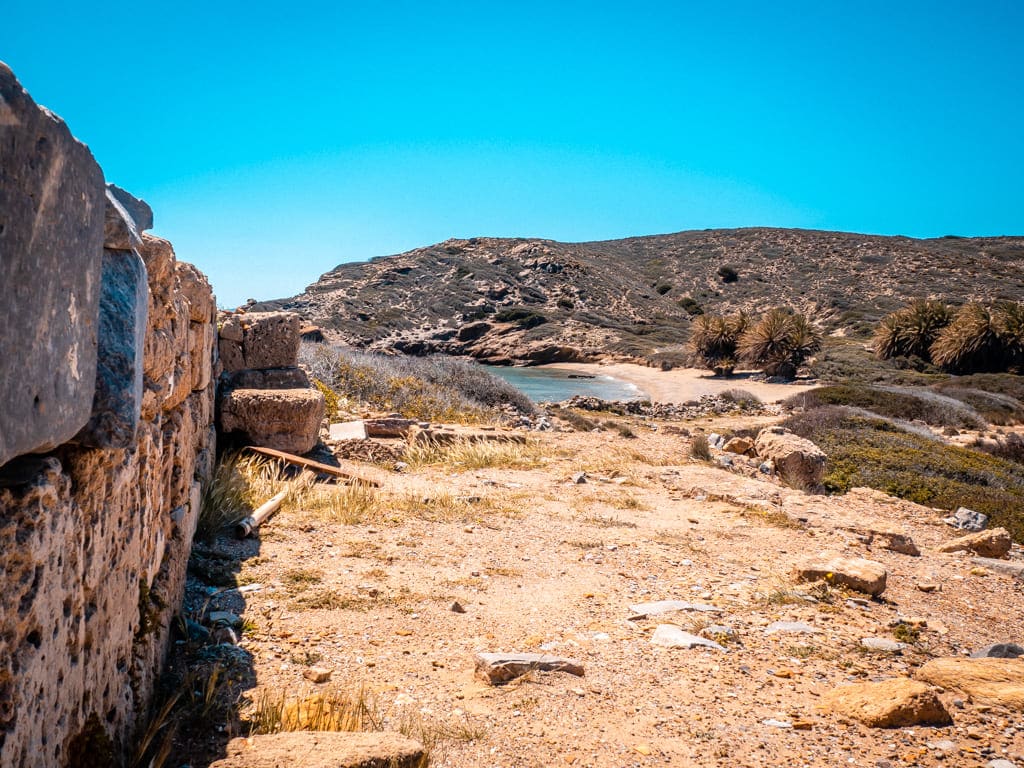
Tip: Just a short walk north of Vai, you will come across Itanos Beach with the ruins of an ancient city. While snorkelling, you can even discover fragments of ancient Itanos underwater.
Samaria Gorge – the Greek Grand Canyon
Vertical rock faces up to 600 metres high and overwhelming nature: a hike through the most spectacular part of the 17-kilometre-long Samaria Gorge is a highlight of any holiday in Crete. The adventure begins at Xyloskalo at an altitude of 1,230 metres, the northern entrance to the Grand Canyon of Greece. With a little luck, you may see bearded vultures circling in the sky.
Caution: the wild goats like to relieve hikers of their provisions. The destination of the route is the fishing village of Agia Roumeli on the Libyan Sea. Exhausted but happy, you can then look out over the water from one of the tavernas.
Travel Tip: Be sure to wear sturdy footwear (hiking boots) on your tour so that your feet don’t hurt and you don’t twist your ankle easily. Also remember to bring enough food and sunscreen!
Hidden Gem: Less well known is the Aradena Gorge, which also leads from the White Mountains to the Libyan Sea. The walls of the rocky gorge are up to 138 metres high in places and are among the most impressive sights on Crete. The passage is very narrow, with a width of 8 to 23 metres.
Agios Nikolaos – The port city & Holiday village in the east
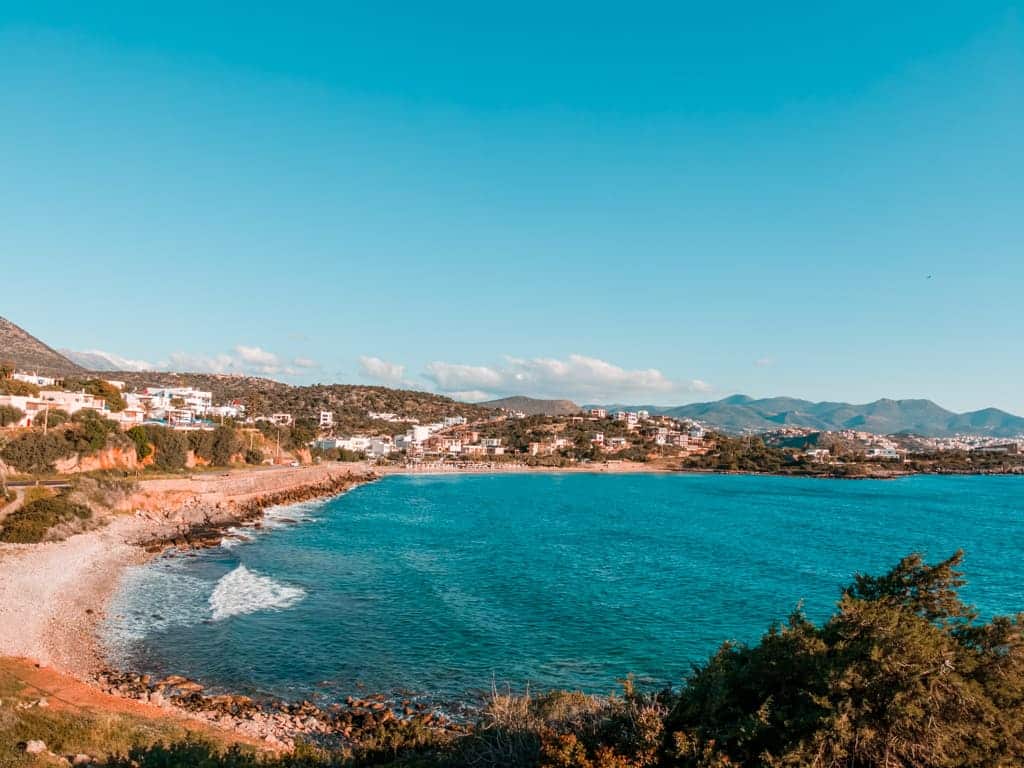
One of the most beautiful towns in Crete is Agios Nikolaos on Mirabello Bay in the north-east of the island. There are plenty of bars, taverns, cafés and charming shops, with the 64-metre-deep Lake Voulismeni, connected to the sea by a canal, right in the middle. Sensational finds from the Neolithic and Roman periods can be viewed in the old town in the Archaeological Museum next to the Byzantine church.
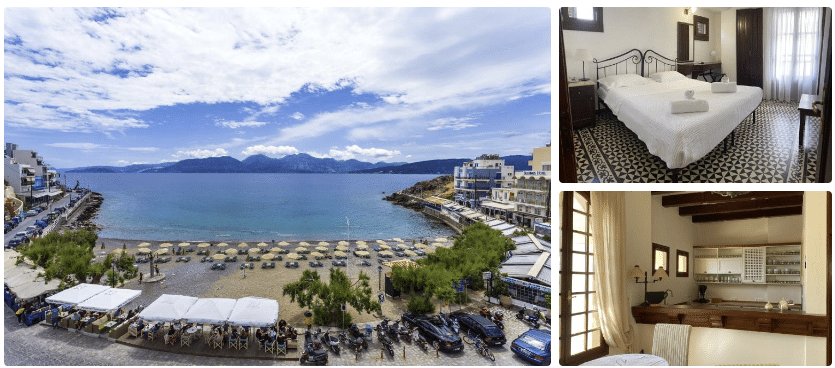
Hotel Tip: Palazzo Arhontiko Apartments – Located in historically restored building, one of the best-preserved and renovated examples in town with beautiful views of the Mirabello Gulf and Sitia Mountains. Rooms are spacious and decorated tastefully and warm with historic touches. ☑ Check prices and availability now.
Tip: The street market on Wednesdays is still really authentic. Many locals buy their groceries here.
Lassithi Plateau – Breathtaking views in a green idyll
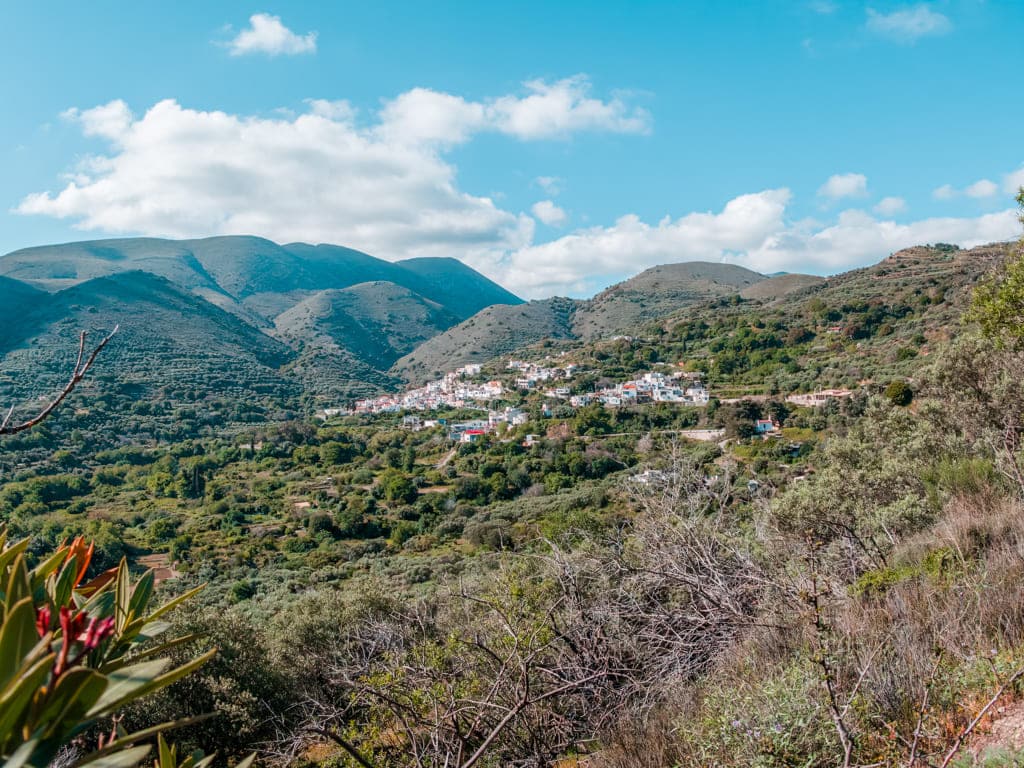
An exploration of the Lassithi Plateau, located 830 metres above sea level, offers great views of the imposing Cretan mountains. The canvas-covered windmills are a popular photo motif in Crete’s most fertile region. There used to be thousands of them. However, the main attraction remains the Diktéon Ántron stalactite cave near the village of Psychro. According to legend, Zeus, the father of the gods, was born here. It has been scientifically proven that the cave has been a place of worship since the Minoan civilisation 4,000 years ago.
Heraklion (Iraklio) – World-famous museums
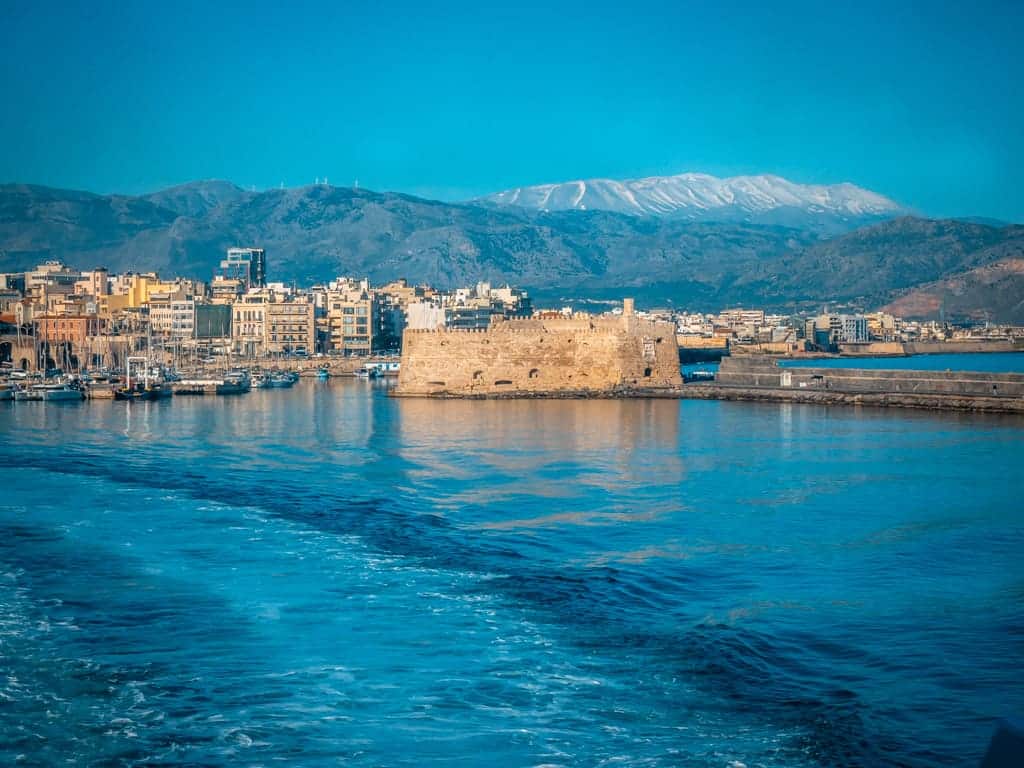
With a population of just under 175,000, Heraklion, also known as Iraklio, is the largest city on Crete and the economic centre of the island. The streets and squares are correspondingly lively. The Venetian harbour with its taverns and fortress from the 16th century is a pleasant place to stroll around. However, the food is usually better in the restaurants away from the harbour – just look for where the locals eat.
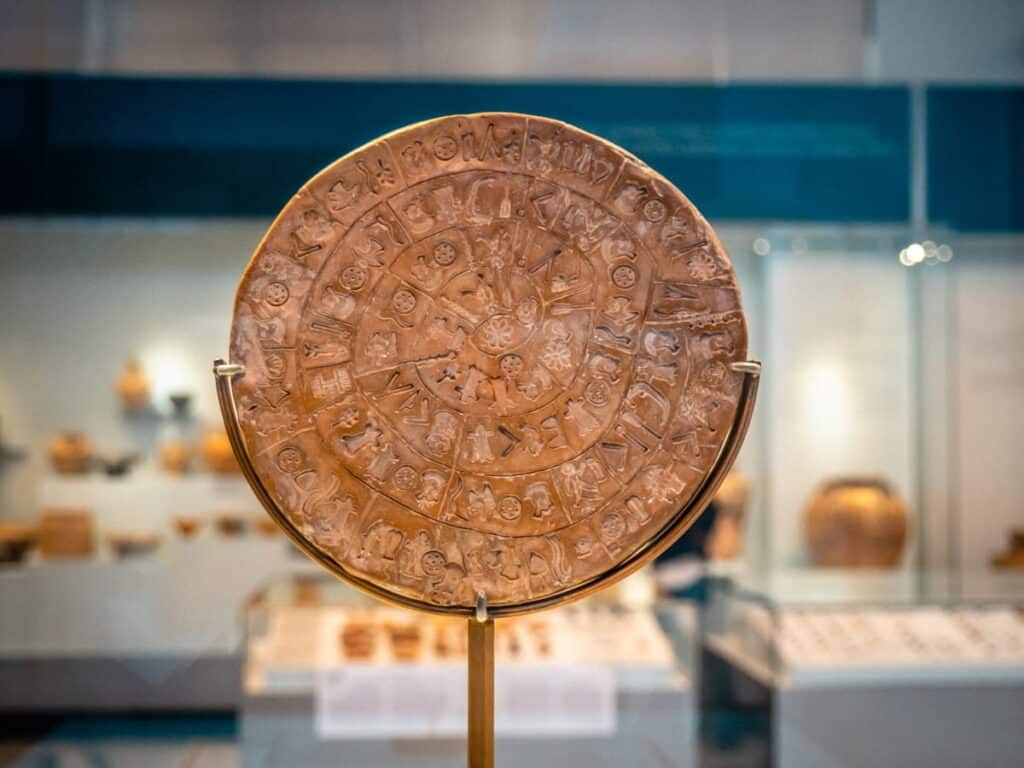
Heraklion’s main attraction is the Archaeological Museum with the world’s largest collection of Minoan artefacts. Minoan culture is considered the cradle of European culture. In the museum, you can embark on a journey through time from 7000 BC to the 5th century AD. The most magnificent finds come from Knossos, such as the bull’s head with mother-of-pearl and rock crystal inlays or the game board made of ivory, gold and silver.
Rethymno – Historic old town and picturesque old harbour city
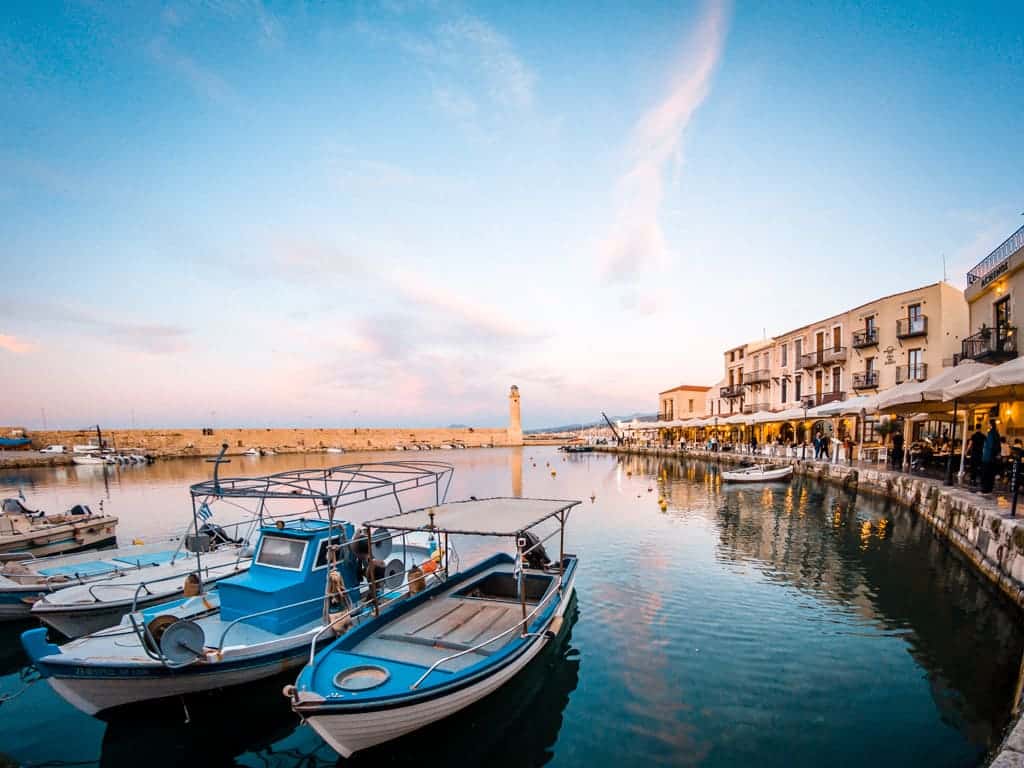
Fortezza, the mighty fortress above Rethymno, was built by the Venetians in 1570. In 1646, the Turks conquered the bastion. The Sultan Ibrahim Mosque dates from this period and impresses with its eleven-metre-wide dome within the castle walls. Fortezza offers breathtaking views of the sea and the old town of Réthimnon, which is a UNESCO World Heritage Site. The centrepiece is the Rimondi Fountain with its three lion heads. The Venetian harbour of Rethymno is one of the most beautiful in Crete.
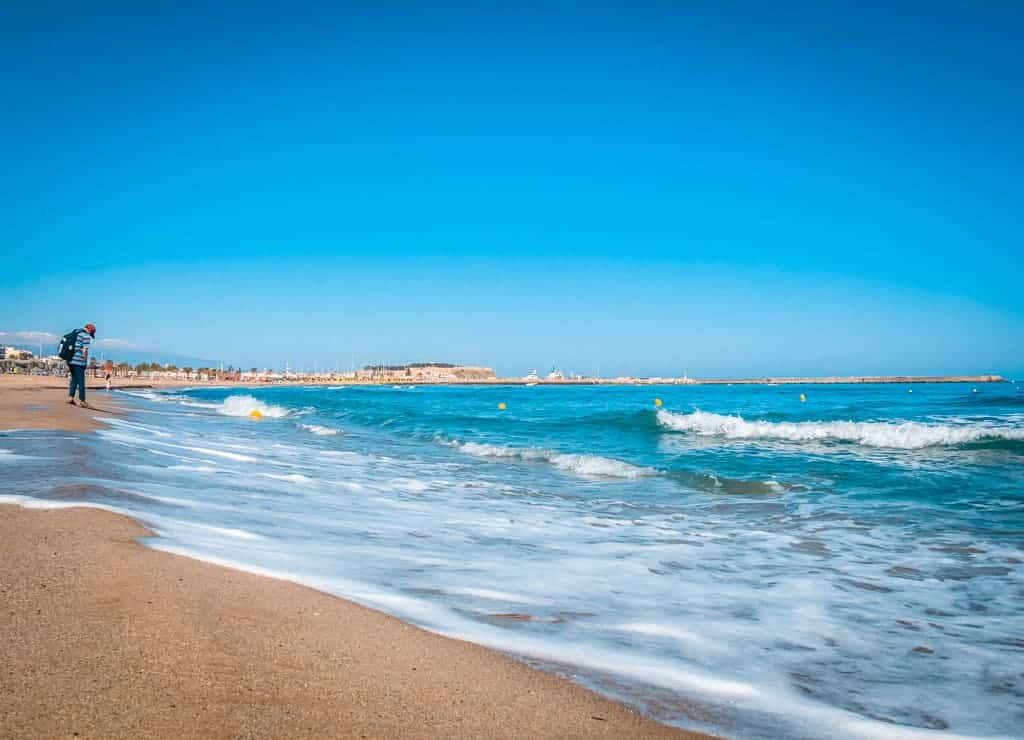
At over ten kilometres long, the golden yellow city beach is one of the longest on the island. The endangered sea turtle Caretta caretta lays its eggs here – between May and August, as it has done for an unimaginable 120 million years. During this time, extra caution is required, as parasols, sun loungers and other beach equipment can be life-threatening for the turtle hatchlings. Volunteers therefore mark the nests and relocate them if necessary.
Tip: From Rethymno, you can take boat trips along the north coast, such as full-day tours for swimming and snorkelling.
Arkadi Monastery – symbol of freedom
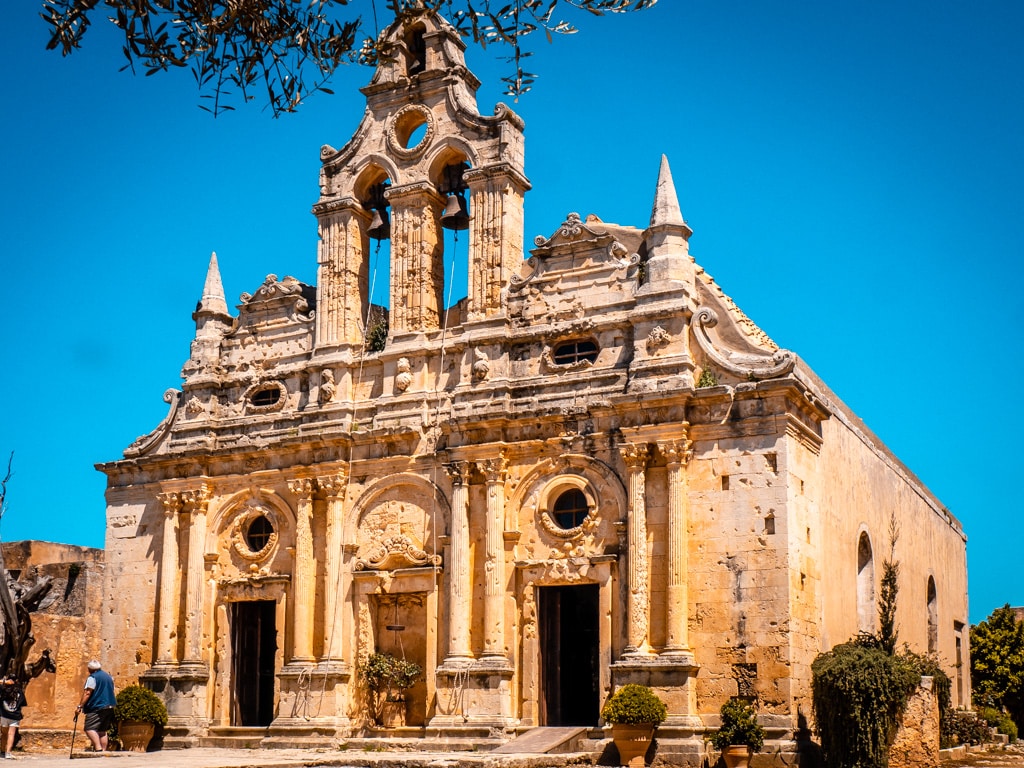
The Arkadi Monastery, located about 25 kilometres southeast of Rethymno, is something of a national shrine for Crete. Around a thousand people, mainly women and children, found refuge in the castle-like complex when the uprising against the Turks began in 1866.
When the Turkish troops broke through the gates, the Cretans quickly blew up the monastery’s powder magazine, killing many of the Turkish attackers. The refugees preferred to die rather than be taken prisoner. Thus, the monastery church became a symbol of the desire for freedom. The monastery museum has an exhibition about the struggle for freedom.
Tip: Skimpy clothing is considered inappropriate in the monastery. Shoulders should be covered.
Chania – picturesque harbour town
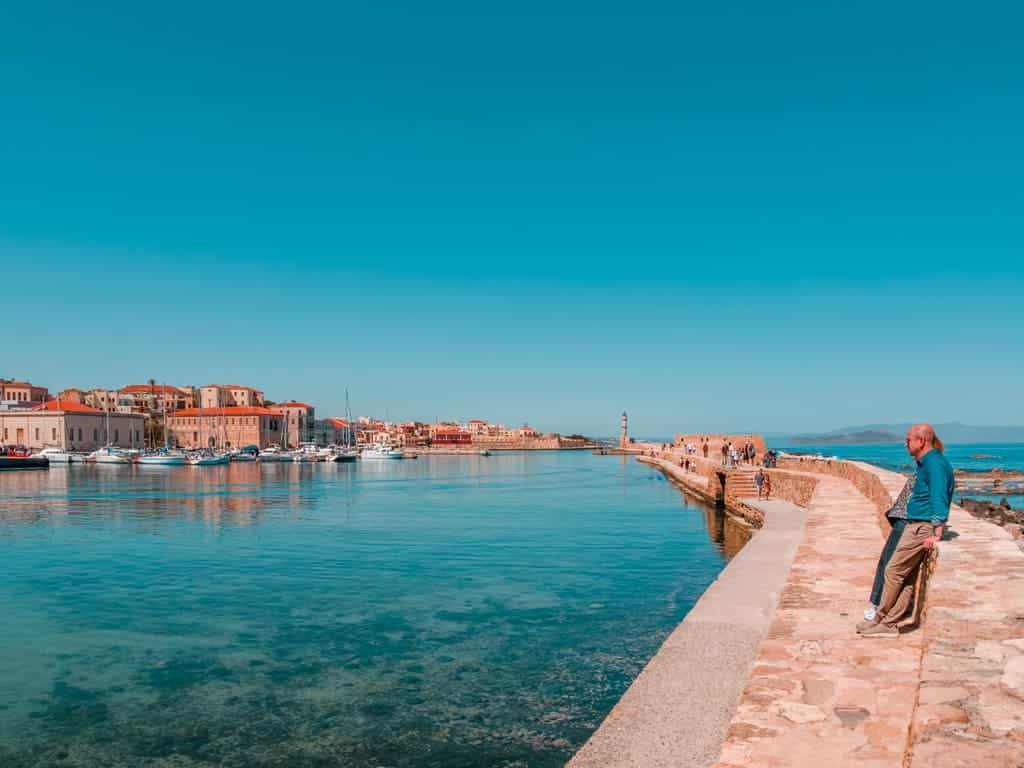
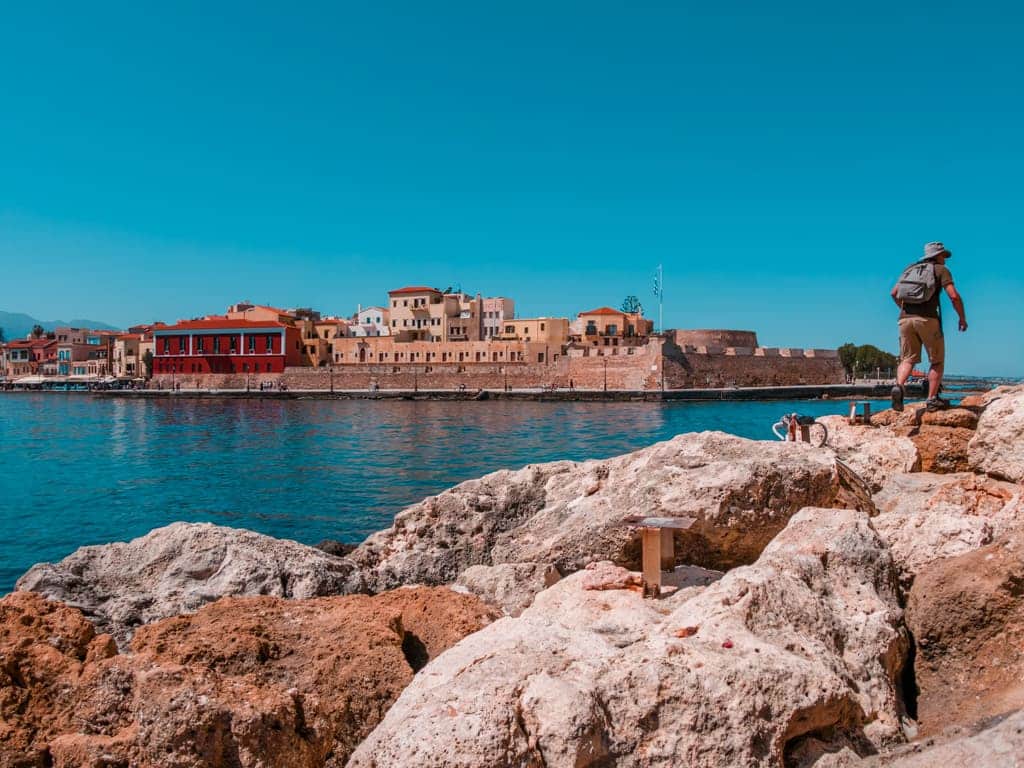
The winding alleys of the old town of Chania resemble an open-air museum. Open staircases and loggias, marble portals and fountains – there is always something new to discover here. The colourful Venetian mansions, the hustle and bustle of the historic market hall: Chania, with its 60,000 inhabitants, is a highlight of any holiday in Crete.
Things to see in Chanai – Explore the old town
As you stroll through the centre of Chania, you will feel the rustic charm of the city. The architecture is characterised by Venetian and Turkish influences.
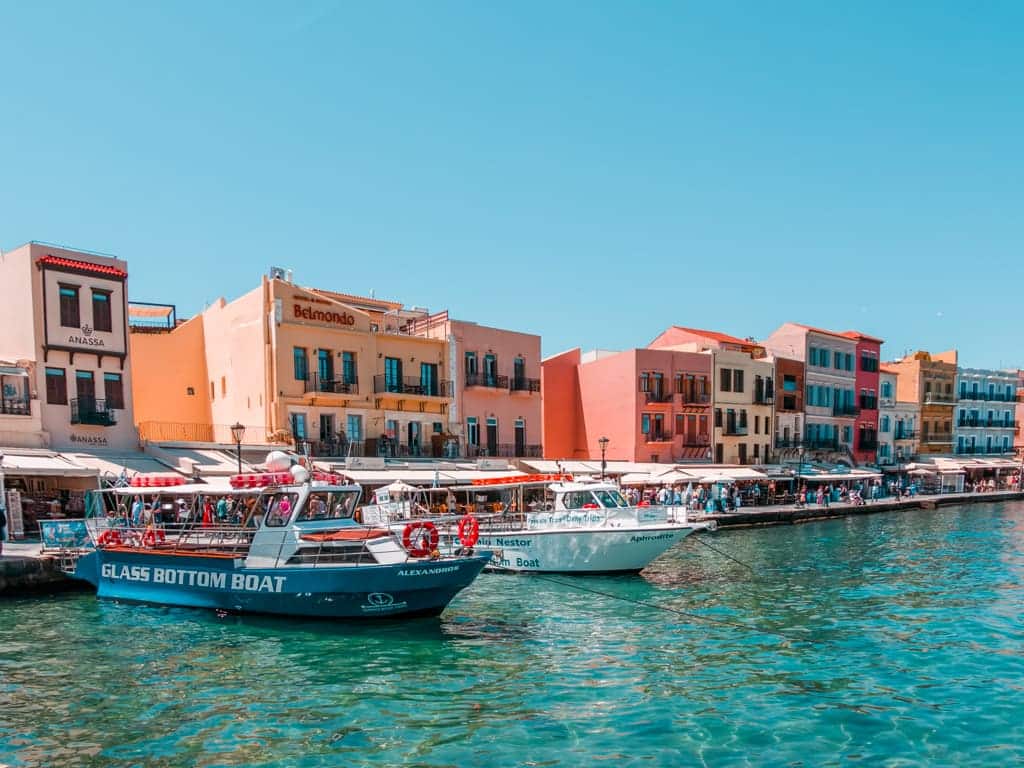
The ornate houses are home to many cafés and restaurants that invite you to linger. Shopping enthusiasts can stroll through the chic shops and choose the most beautiful souvenirs.
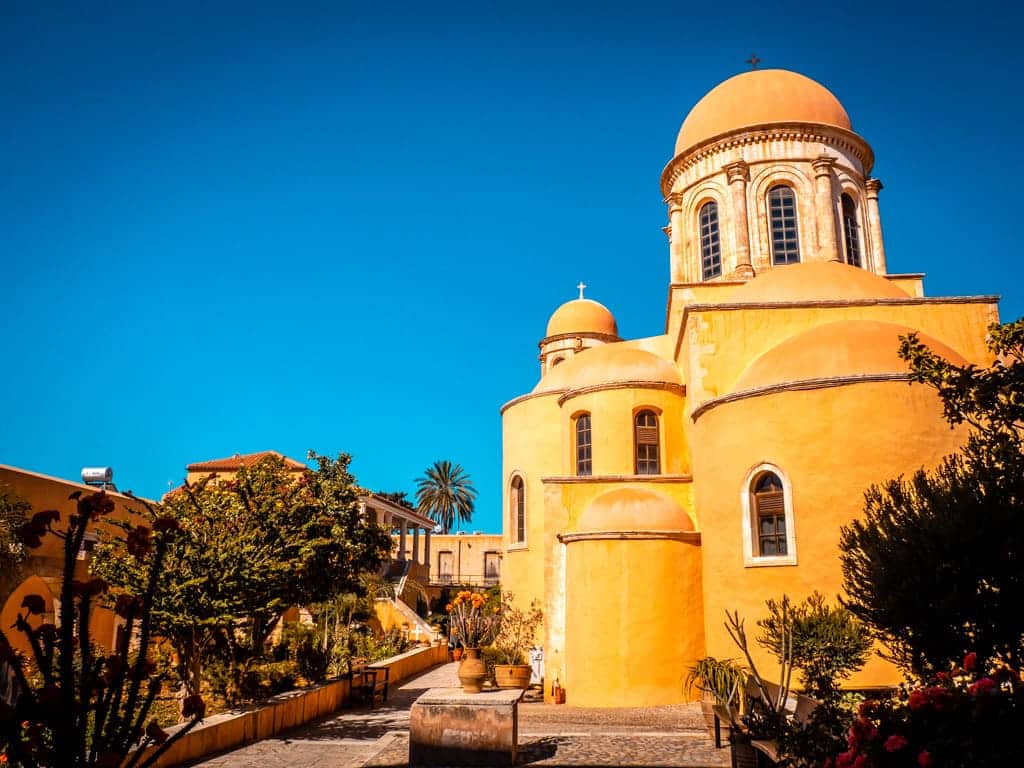
Tip: The Agia Triada monastery is located near Chania Airport. The monks produce their own wine and excellent olive oil. The small icon museum is also worth a visit.
Chania also serves as a gateway to embark on the famous aforementioned Samaria Gorge Hike. Guided hiking tours including transfers start from various pickup places in the city.
Lefka Ori – Hiking in the White Mountains
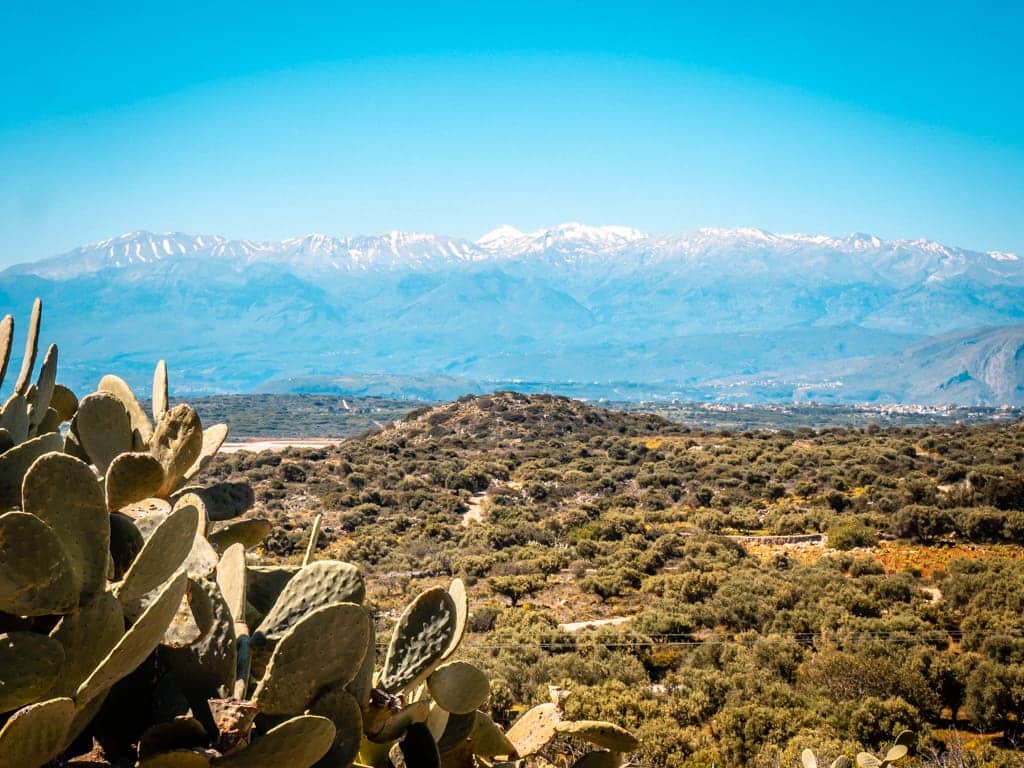
More than three quarters of Crete consists of massive mountain ranges, some over 2000 metres high. The largest massif is the Lefka Ori, the White Mountains in the west. The peaks can be covered with snow until well into the summer, with the highest peak, Pachnes, measuring 2453 metres.
The mountain desert is breathtaking, with more than fifty cone-shaped peaks, called sori, exceeding 2000 metres in height. Experienced mountain hikers who follow the ancient shepherds’ paths will find dream routes with landscapes full of wildflowers, gorges and caves. The most famous gorge is Samaria. A good starting point for exploring the mountains is the village of Omalos, where there are also a few restaurants and guesthouses.
Tip: It is best to follow a guide, as the area is very rough and sparsely populated. There are also no signposts.
Crete with children
CretAquarium: seahorses and giant sharks
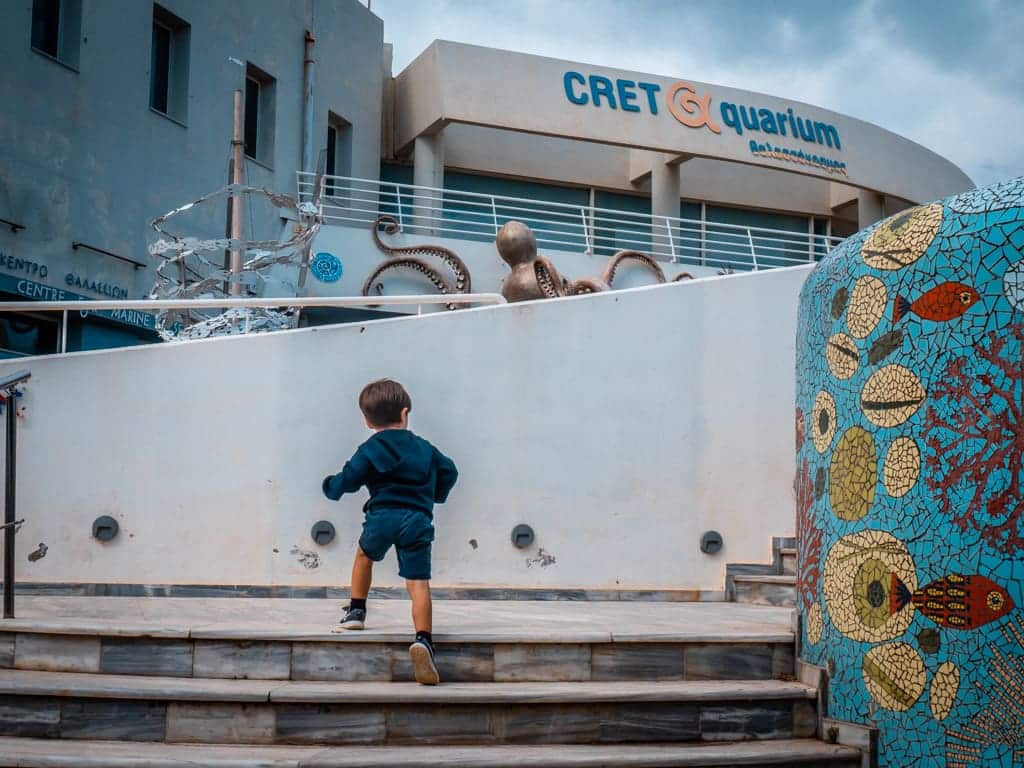
At CretAquarium, one of the largest aquariums in Europe, about 15 kilometres east from Heraklion, tiny seahorses, giant sea turtles and metre-long sharks frolic. There are more than 2,500 species to discover there. It’s not just kids who will be wide-eyed: young and old alike can learn a lot about how the marine ecosystem works. Audiovisual media complement the experience. A whole range of aids, from microscopes to submarine periscopes, are available for detailed observation of the 60 tanks.
Tips for your visit
- Location: east of Heraklion
- Admission: Adults: €15 in summer, from €10 in winter, concessions: €8, children under 4: €0
- Opening hours: daily 9.30 a.m. to 7 p.m. (April to October), 9.30 a.m. to 4 p.m. (November to March)
Book now: CRETAquarium admission ticket
Acquaplus Waterpark: pure family fun
The name says it all: the ‘Giants of Terror’ water slides are definitely not for the faint-hearted. This attraction for adrenaline junkies takes you almost vertically into the water. The Acquaplus Waterpark near Chersonissos on the north coast offers 50 different slides. The little ones will feel at home in the baby and children’s pools and on the bouncy castle. Admission is free for children under four years of age.
Labyrinth Theme Park: Escape from Atlantis
The Labyrinth Theme Park is also located near Chersonissos. The labyrinth, which covers over 1,300 square metres, is the perfect terrain for a family adventure. The terrifying Minotaur lurks in the centre of the maze. The escape room is also exciting: you only have 50 minutes to escape from Atlantis. Mini golf, archery, quad biking, pottery, horse riding – you can easily spend a whole day at the theme park.
The most famous sights & attractions in Crete
As you have seen in this article, Crete has a whole range of attractions to offer. Perhaps you can’t or don’t want to see them all because you also want to spend time on the beach during your holiday in Crete? No problem! We’ll show you the top 3 most famous sights in Crete at a glance – don’t miss these:
- Palace of Knossos: The palace is the largest of the Minoan palaces in Crete, which was destroyed and rebuilt several times. It has existed since around 2000 BC. It is a must-see if you want to immerse yourself in the interesting history of Crete.
- Chania: The second largest and most beautiful city in Crete with its Venetian harbour is simply a must-see. Stroll through the old town and see several sights. Enjoy the special atmosphere, try out the cute cafés and taverns while enjoying the idyllic view of the harbour.
- Elafonissi Beach: This is THE beach among the beaches of Crete. Elafonissi is known for its pink colour, which is caused by tiny shell particles. A souvenir photo of it is a must when you are in Crete.
Things to see on your holiday in Crete
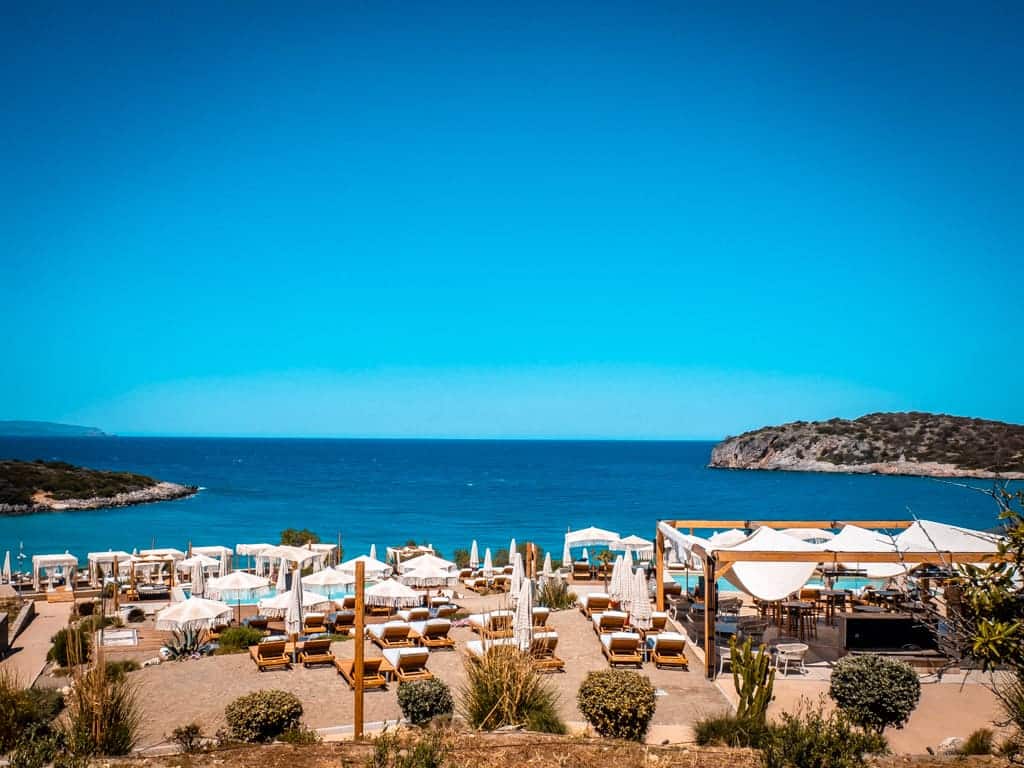
Are you holidaying in Greece or perhaps planning a day trip to Crete? Here are our tips on how to make the most of your time in Crete so you can see and experience as much as possible.
Crete sights in 1 day
Your time is limited, but your curiosity is great? Spend your day in Crete’s capital Heraklion. There you can visit the Palace of Knossos, the Heraklion Archaeological Museum, the picturesque old town and the Agios Titos Church. Afterwards, you can take a taxi or drive your hire car to Amnissos Beach and relax there after your sightseeing tour. Or you can stay in the city and watch the beautiful sunset at the harbour. If you are travelling with children, we recommend a visit to the nearby CRETAquarium.
Crete sights in 2 days
Spread your time out to experience several of Crete’s highlights. On the first day, explore Heraklion and on the second day, take a day trip to the hippie village of Matala. There you can visit the caves and relax on the beach. If you have time and feel like it, you can also visit the Palace of Phaistos, which is only a 15-minute drive away.
Crete sights in 3 days
If you have planned 3 days for sights and excursions, you can divide your time between the different parts of the island. For example, on day 1 you can explore Heraklion and the north. On day two, you can explore the west of Crete. Your stops could include the coastal town of Chania, the botanical garden and Elafonissi beach. On day 3, you can either visit the south of the island with the hippie village of Matala or head to the east, where you can visit the exotic palm beach of Vai.
What must I see in Crete?
The Top 18 sights in Crete include:
– Palace of Knossos.
– Arkadi Monastery near Rethymnon.
– Samaria Gorge.
– Coastal town of Chania with Venetian harbour.
– Spinalonga Island – the island of lepers.
– Agios Nikolaos.
– Palm beach of Vai in the east of Crete.
– Archaeological Museum of Heraklion.
Recommended

Hi. I’m Dirk, adventure traveller, originally from Germany. In 2020, Island Hopper Crete, started as a Greece travel blog. In 2022, I founded a small travel agency in the Balkans to complement my recommendations with some of the best experiences that I found, organized by local partners and friends.
 English
  Français
  Nederlands
  Español
  Polski
  Svenska
  עִבְרִית