
Crete Holiday – 10 Tips for your Dream Vacation
Crete is the fifth largest island in the Mediterranean Sea and the largest Greek island. Located in the southernmost part of the Aegean Sea, it has a coastline of over 1,000 kilometres. The island of Crete is considered the essence of Greece with beautiful beaches, lush plateaus, ancient cities and sleepy mountain villages.
By Dirk Pohlers, adventure traveller from Germany. I visit every place I write about & share real tips, photos, & advice from my trips.
Table of Contents
Crete Holidays – Travel Guide
Here’s a quick overview for what to expect on a Crete Holiday:
- The best time to visit Crete is between May and October, with spring and autumn being particularly suitable for cultural sightseeing and hiking.
- The island is divided into four regions – Chania, Rethymnon, Heraklion and Lasithi – each offering its own unique landscape and cultural characteristics.
- Two main airports (Heraklion & Chania) and a well-developed bus network allow for flexible travel and mobility on the island.
- Accommodation options range from campsites and family-friendly resorts to exclusive hotels with upscale amenities.
- Crete’s best beaches – including Elafonisi, Balos and Vaï – delight nature lovers and offer ideal conditions for a beach holiday.
- Among the most important sights and attractions are the Palace of Knossos, the Arkadi Monastery and the Archaeological Museum in Heraklion.
- Off the beaten tourist track, places such as Agia Galini, Zaros and Anogeia invite you to discover the authentic Crete.
What’s the best time to travel to Crete?
The holiday season in Crete runs from April to the end of October. Between November and March, many hotels and restaurants in Crete close. This is the olive harvest season, and many Cretans are busy with agricultural work. If you want to visit Crete in winter or even spend the winter on the island, you can still find some accommodation in the larger towns or in selected country hotels.
What’s there to do and see on a Crete Holiday?
The Highlights of Crete include:
- Spectacular beaches with turquoise waters
- Diverse landscapes with wild gorges perfect for hiking
- Perhaps the best olive oil in the world
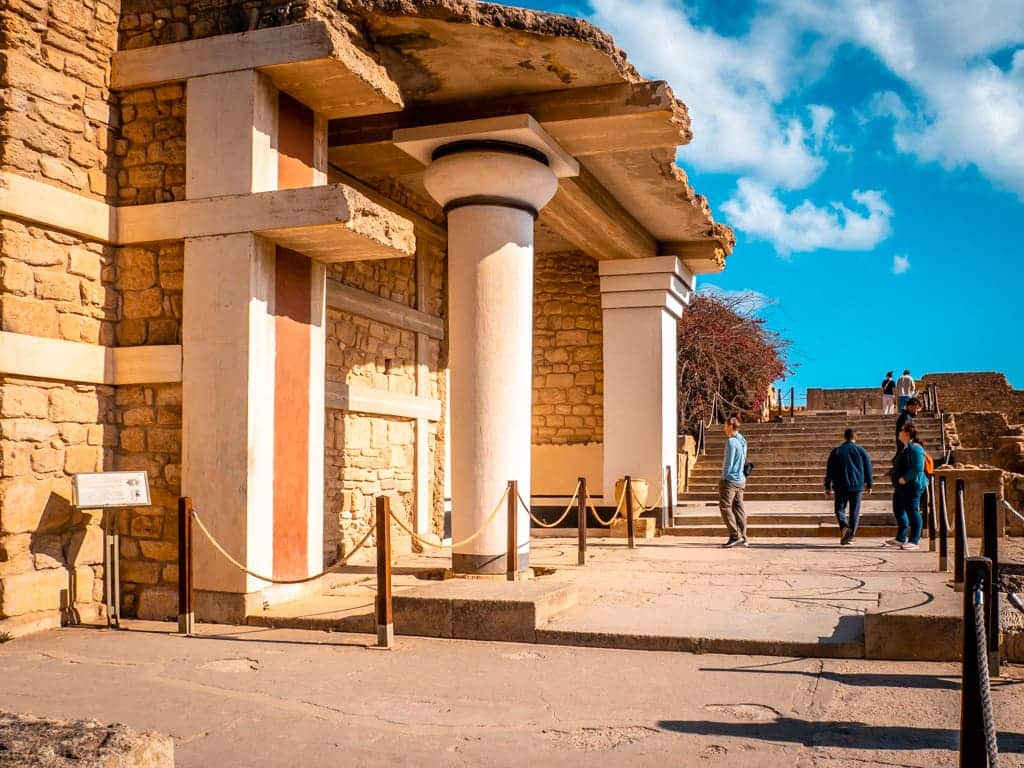
You will certainly never get bored in Crete, as there is so much to do. If you are interested in the island’s fascinating history, then you should not miss the Palace of Knossos. At a visit to this most important site of Minoan civilisation, you should treat yourself to a guided tour to really understand the significant role Crete played in ancient history.
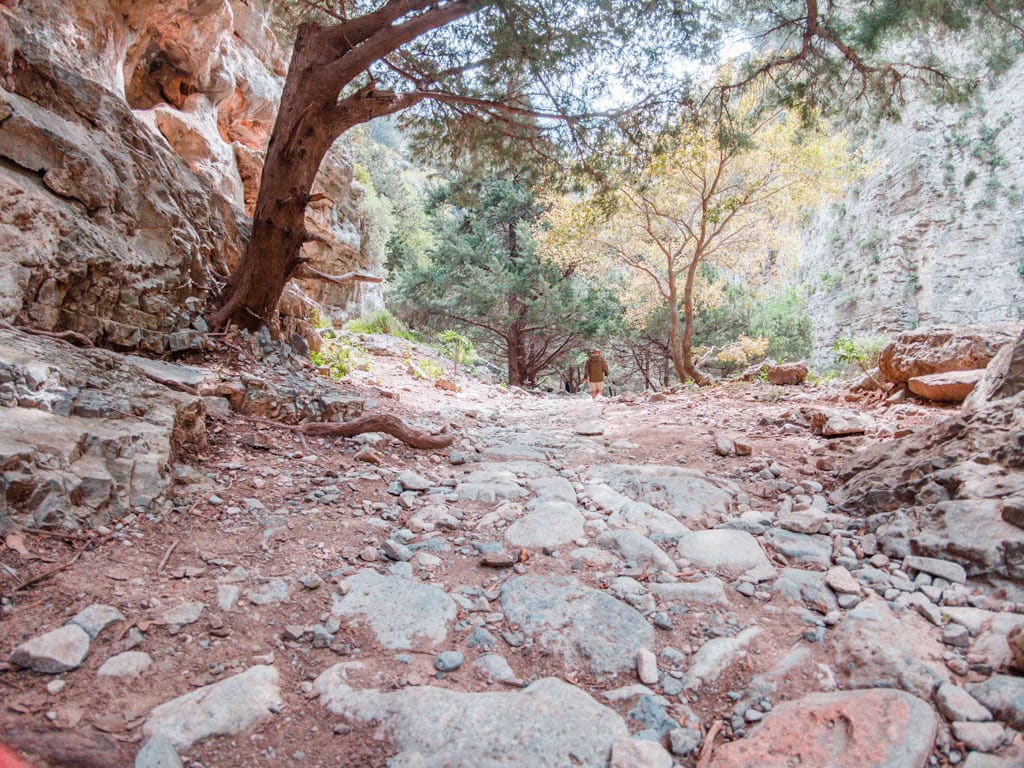
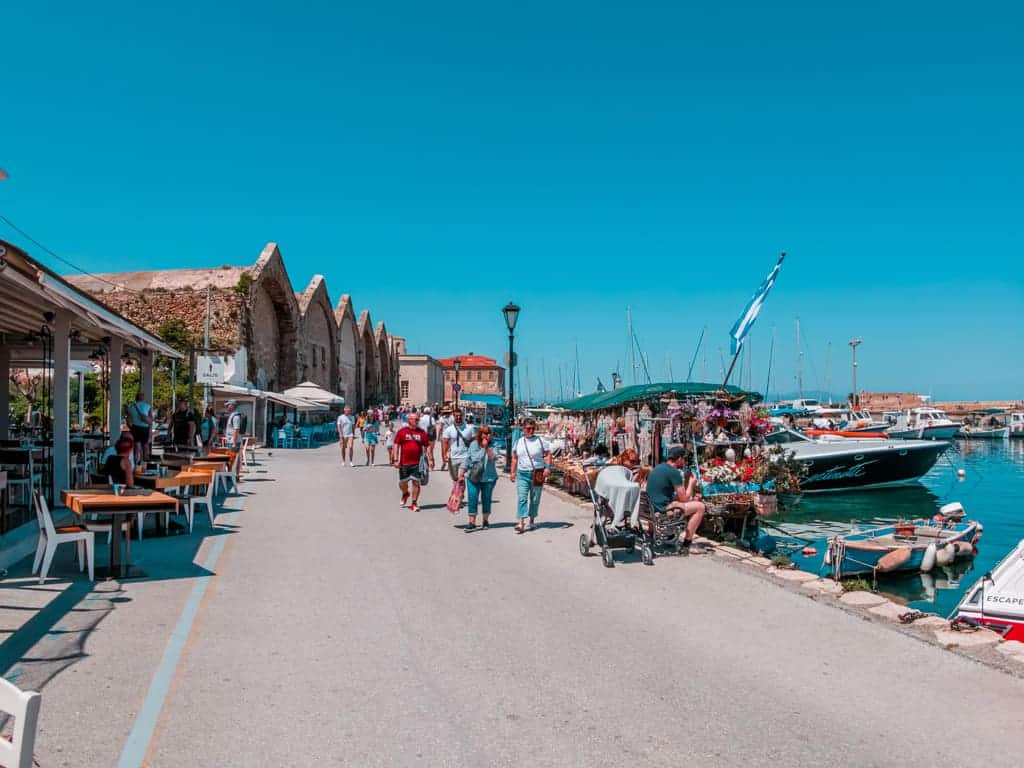
An absolute highlight in Crete is the hike through the Samaria Gorge. The fascinating rock formations, which are up to 700 metres high and in some places only allow a passage of about three metres wide, lead you to the coast. Places like Chania or Plakias invite you to explore. Their small alleys and picturesque harbours invite you to linger and offer many great photo opportunities.
You can also follow in the footsteps of antiquity at many fascinating places away from the hustle and bustle. The best way to reach the most beautiful sights in Crete is by rental car.
What are the Top beaches for holidays in Crete?
When holidaying in Crete, you can discover numerous beautiful beaches. Here are my recommendations for some of the best beaches on the Greek island.
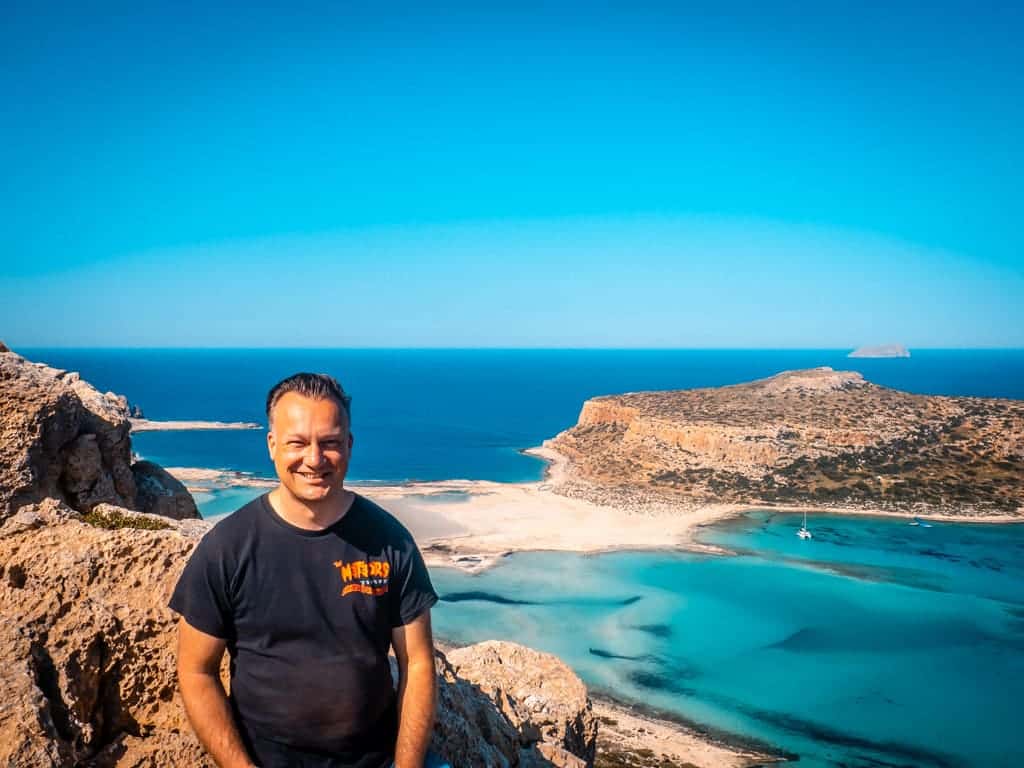
- Balos Beach: The Balos lagoon is located in the far north-west of Crete and can only be reached by boat or on foot. The beautiful sandy beach, the turquoise shimmering water and the wildlife that can sometimes be observed, including monk seals and sea turtles, make this paradise so special.
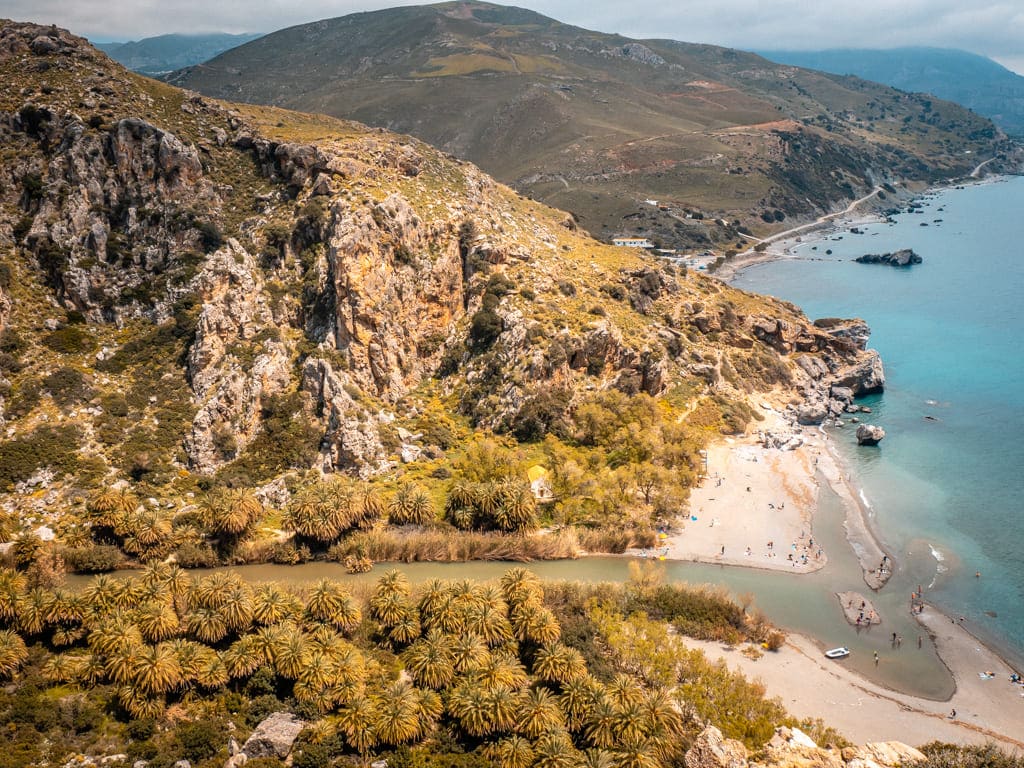
- Preveli Beach: Even the path through the palm forest to Preveli Beach on the south coast is a highlight. This path along a stream leads to the idyllic sandy beach.
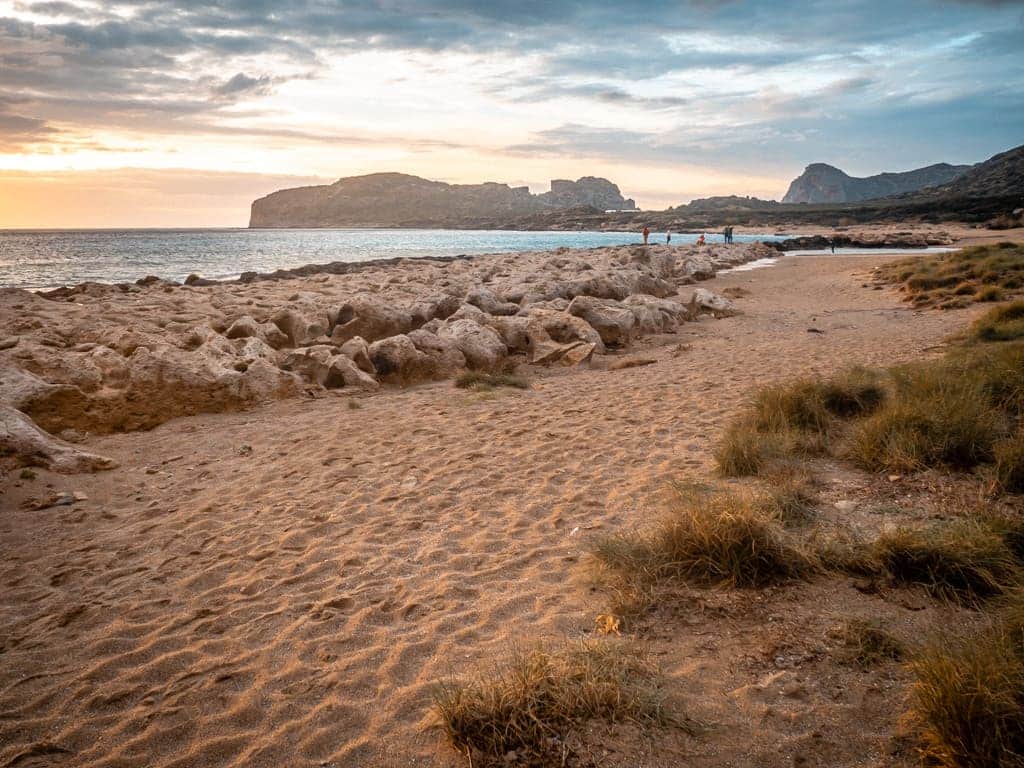
- Falasarna Beach: On the West Coast, Falasarna and Karkatsouli Beach are two more top beaches waiting for you to visit. Enjoy the sand between your toes and dive into the beautiful, clear waters of the Mediterranean Sea.
- Matala Beach: Matala not only has the famous rock caves to offer, but also a beautiful beach that stretches for 300 metres and impresses with its light, golden sand.
How many days on Crete?
Crete is Greece’s largest island and there are many so beautiful places to discover. If you want to explore the island extensively and feel the rhythm of Crete, I recommend a minimum stay of 10 days on Crete. Two weeks or more are ideal for exploring a variety of sights and gaining more of an insight into the local traditions of the Cretans.
Car Hire in Crete
Crete is full of natural beauty and places of interest. With an extension of over 250 kilometres from west to east, you will need to be flexible if you want to explore the island in depth.
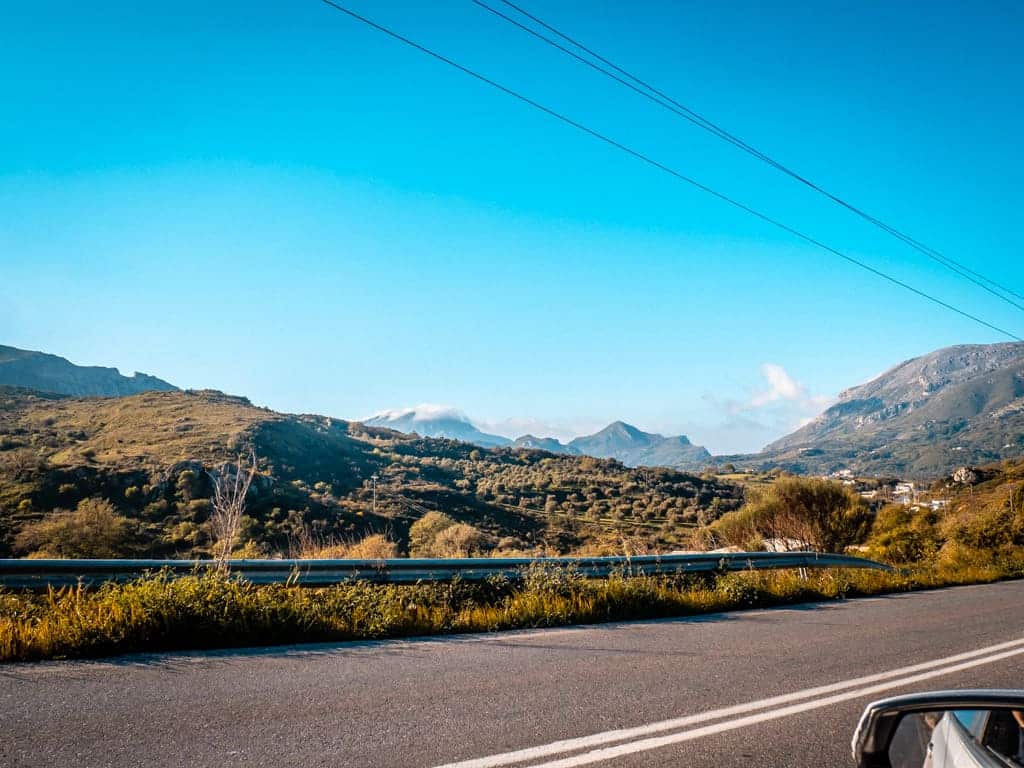
The best way to do this is to book a car hire for Crete in advance and pick it up at the airport upon arrival. That way, you are not dependent on bus transportation. Vehicles can be rented from both international car rental companies in Crete and regional providers. The local companies are usually a bit cheaper.

Rent a car! Greece is very safe for motorists, & you can drive across the entire island in less than 6 hours! Best of all, rental cars are very cheap (starting at €30) & easy to book by comparing rates across dealerships in Heraklion using DiscoverCars.
Compare Rental DealsMy Bucket list for a perfect Crete Holiday
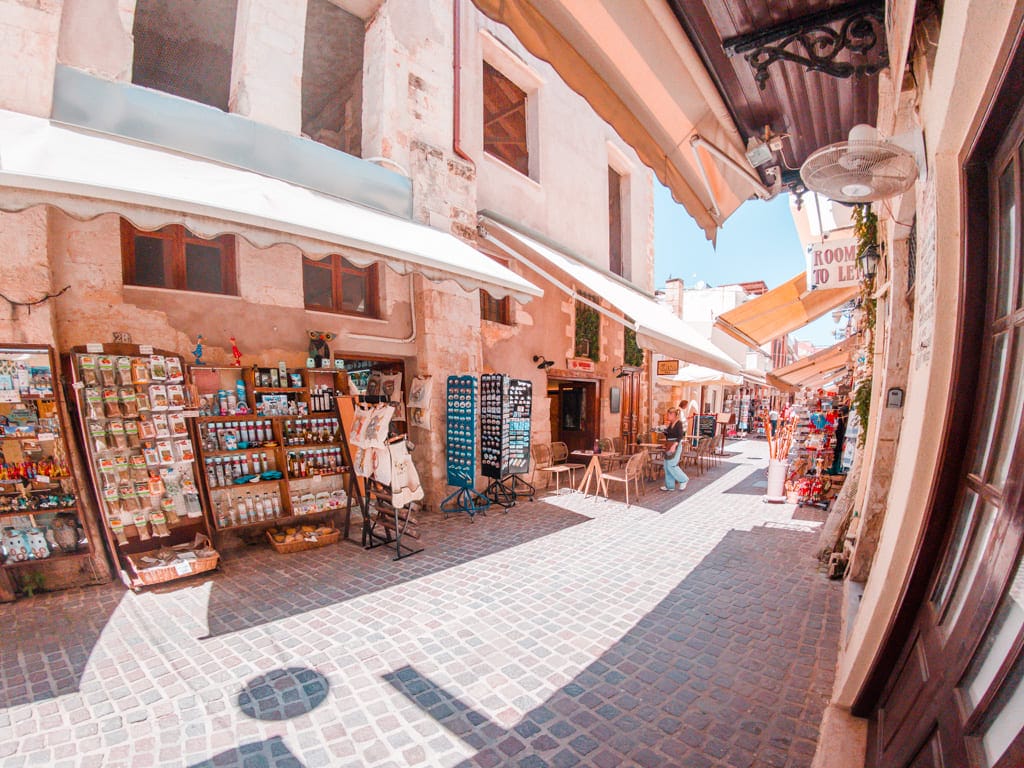
- Chania Old Town: Small alleys with many beautiful houses, shops and handicrafts. The leather alley in particular is not to be missed.
- Balos Beach: Turquoise blue water and white sandy beaches bring Caribbean flair and are an absolute highlight. If you don’t want to make the trip, you can also go to Falasarna, one of the less visited but no less beautiful beaches.
- Arkadi Monastery: This Cretan national monument is an impressive building with a very eventful history. On the way, you can stop off at the idyllic mountain village of Margarites. It is the most famous pottery village on the island.
- Kourtaliotiko Gorge: This is a particularly beautiful place for hiking and is not as crowded as the more famous Samaria Gorge. Here you can discover the diverse nature of the island, and you may even encounter a free-roaming goat here and there.
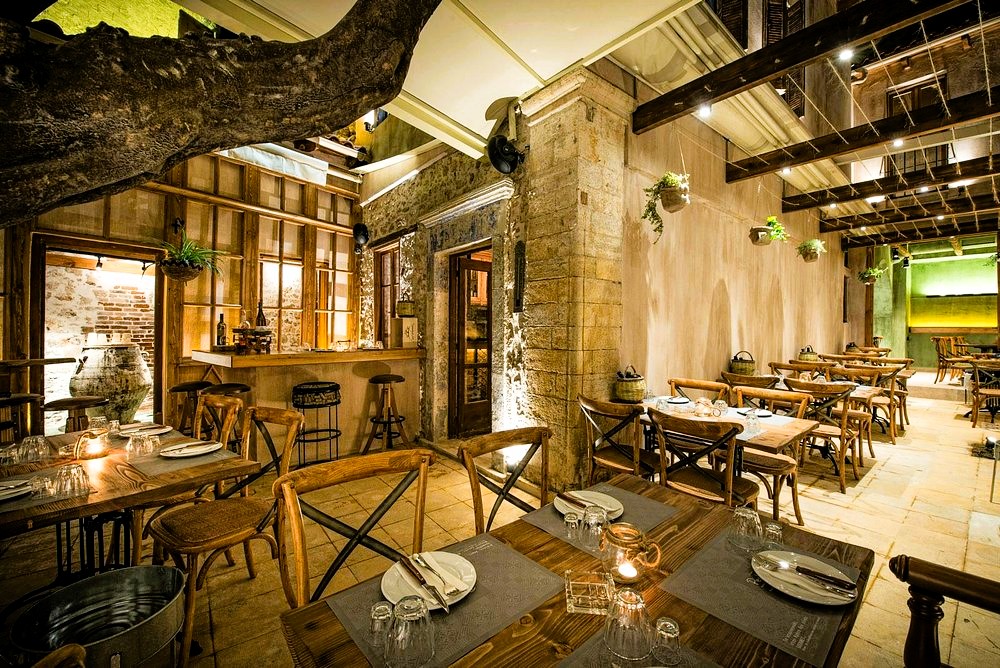
If you want to experience Crete up close, learn more about the people and their way of life, and find out how they make their delicious food, then I have a real insider tip for you: Peskesi Organic Farm. Here you can learn how to make the popular raki schnapps, and enjoy the most delicious homemade dishes, all made with ingredients found on the Peskesi Organic Farm. If you feel like it, you can also learn how the food, and especially the cheese, is made here. You can book the tour via the farm’s website or directly at the Peskesi Restaurant in the capital Heraklion.
Orientation on Crete
It’s important to know that Crete is a large island. With around 260 km in length and 60 km in width at the widest point—however, it would take about 10 to 12 hours to drive all the way around the coast road.
Additionally, Crete is split horizontally by a powerful mountain range with multiple peaks 2500m high. So my first tip is, don’t underestimate driving times, and do not try to pack too much driving in at one time.
Places and attractions – where to find what on Crete:
- Western Crete: Chania and the most famous beaches (Balos, Elafonisi, Falassarna, etc.), Lake Kournas
- North-central coast: Heraklion (airport), Rethymnon, the Hersonissos resort area, Myli Gorge, Malia, many wineries, Knossos Palace, Koutouloufari, Archanes, and other traditional villages
- Southern part of the island: Samaria Gorge, a number of very cool but harder-to-reach beaches like Matala, Preveli, and Loutro
- Eastern Crete: Agios Nikolaos, Sitia, Elounda, Spinalonga Island
For itinerary suggestions on Crete, see my articles here:
Airports on Crete
There are two international airports in Crete: Heraklion Airport on the north coast and Chania Airport on a peninsula in the north-west. Both are served by flights from many European airports.
Tip: When booking your holiday, pay attention to which airport you will be arriving at if you are booking your own travel arrangements. The island is large and the journey to your hotel may be longer than you think.
Crete Airport Heraklion HER
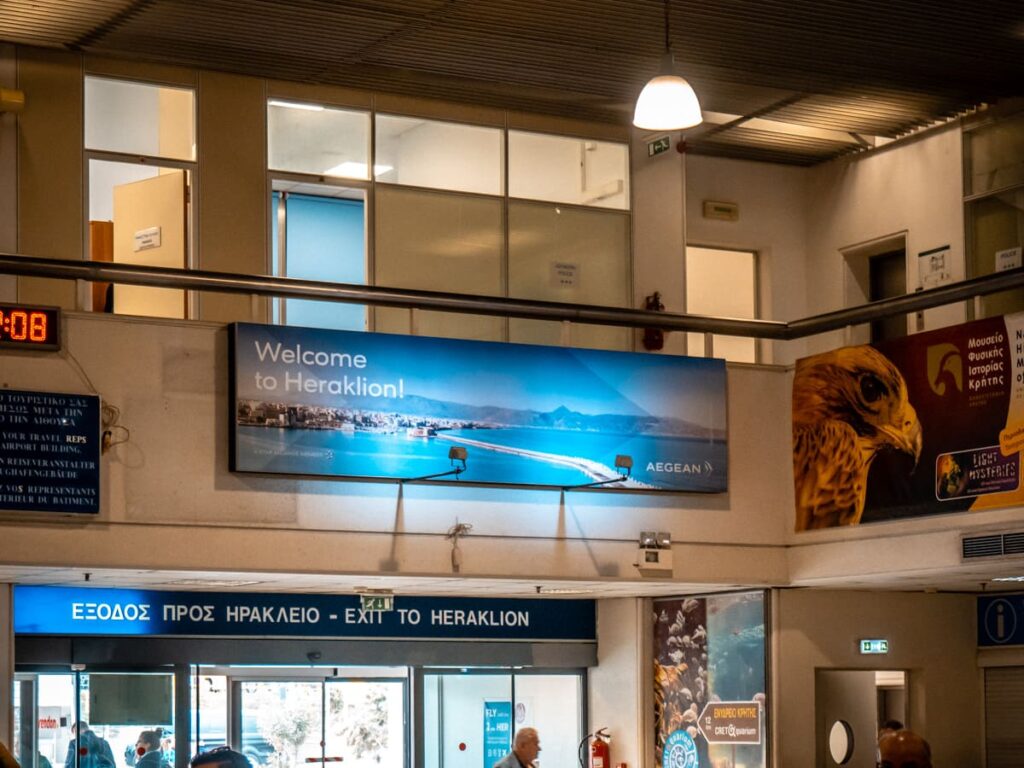
Nikos Kazantzakis Airport (HER), the largest airport, is located in the centre of the island of Crete, just east of the capital Heraklion. It is served by direct flights from numerous European airports several times a week. If you are staying at a hotel in the north or south of Crete, this is your ideal destination airport.
Crete Airport Chania CHQ
Chania Airport, Ioannis Daskalogiannis Airport, is located in the west of Crete on the Akrotiri peninsula. It is also served by many European airports several times a week during season. If your hotel is located in the west of Crete, it might be worth flying directly to Chania. If you land in Heraklion, you will otherwise have to plan for a transfer time of at least two hours by bus.
Where to Stay in Crete
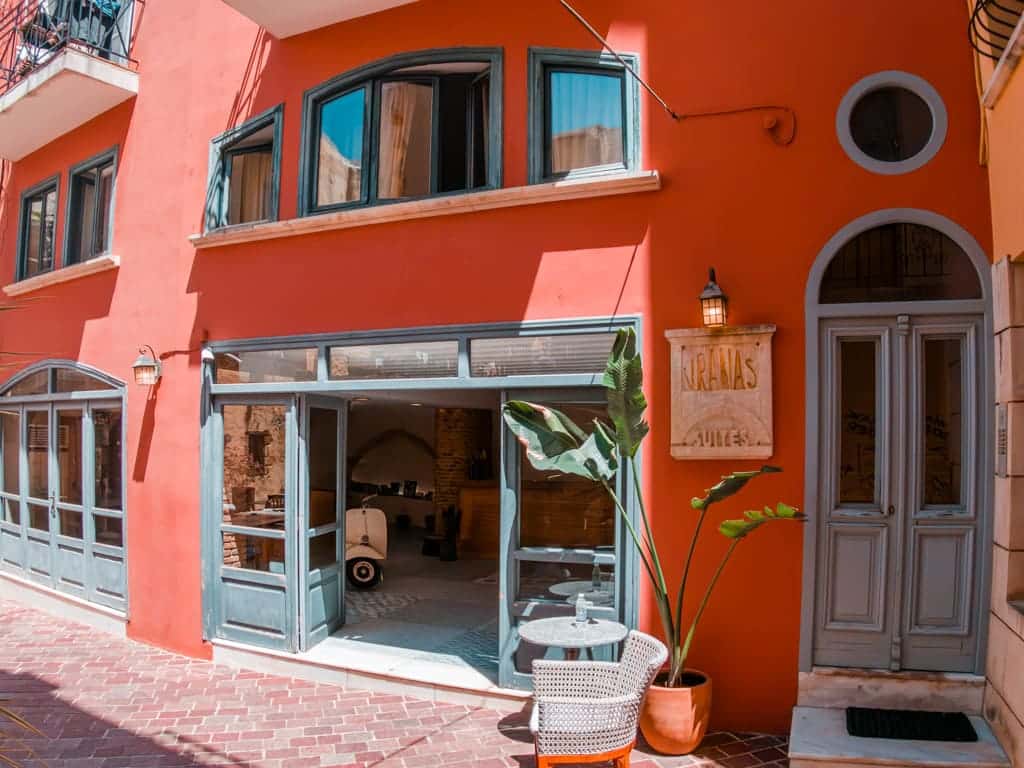
Crete may be the largest of the Greek Islands, but thankfully the big crowds seem to spend much more of their time on overcrowded neighbours like Santorni.
Here are a few quick suggestions of places to stay, depending on the kind of trip you are planning.
- Where to stay in Crete for couples – Rethymno or Chania
- Where to stay in Crete for families – Rethymno or Agios Nikolaos and Lasithi
- Where to stay in Crete for hiking – Amari Valley or Chania
- Where to stay in Crete for nightlife – Heraklion or Hersonissos
My Tip: Chania blends together the beauty of a traditional Cretan town, with the convenience of a small city. You’ll find lots of shopping here and stores where you can buy anything you forgot to bring. If you like staying somewhere that has both scenic areas and utilitarian facilities, Chania could be a great place to stay in Crete for you.
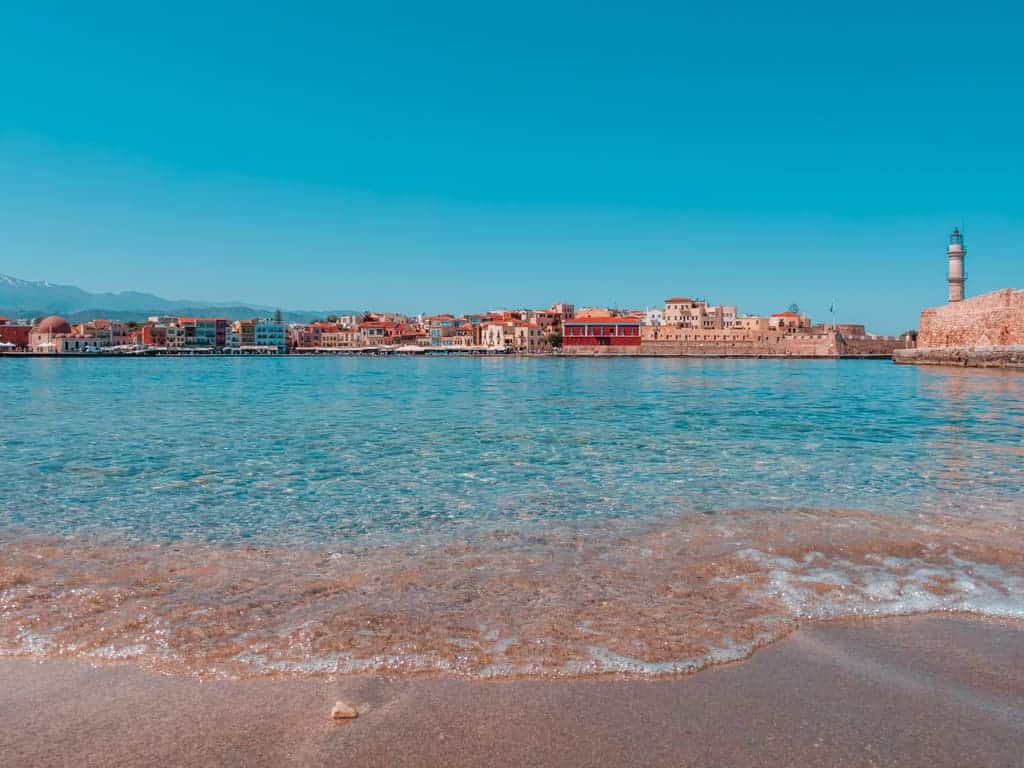
I found some great accommodations located right in the heart of the old town of Chania. Here are my top picks of the best hotels:
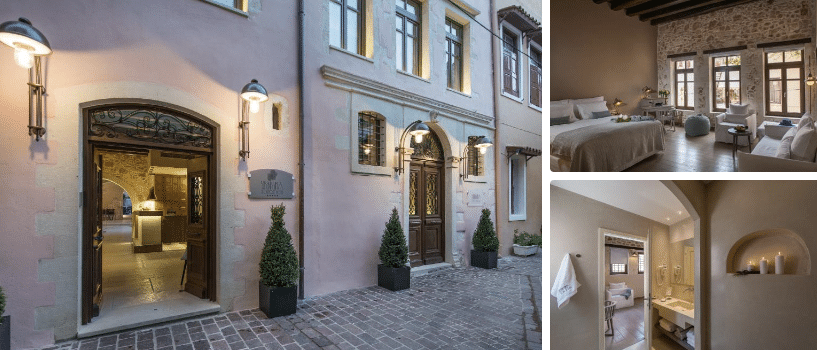
- Serenissima Boutique Hotel $$ – Perfect for couples, this romantic boutique hotel is just 100 meters away from the beach and 300 meters from the Venetian Harbour. 9.4 “Exceptional” rating on Booking.com.
- Casa Veneta $ – Wonderful location on the edge of the Old Town, so it was easily accessible by car while still being central. Extremely affordable for the location. 9.3 “Wonderful” rating on Booking.com.
What are the best beach holiday destinations on Crete?
The best beach holiday destinations on Crete include Elafonisi (known for it’s pink sand), Balos Lagoon (famous for its turquoise water), Preveli Beach (with its unique palm forest) and Falassarna Beach (a long sandy stretch).
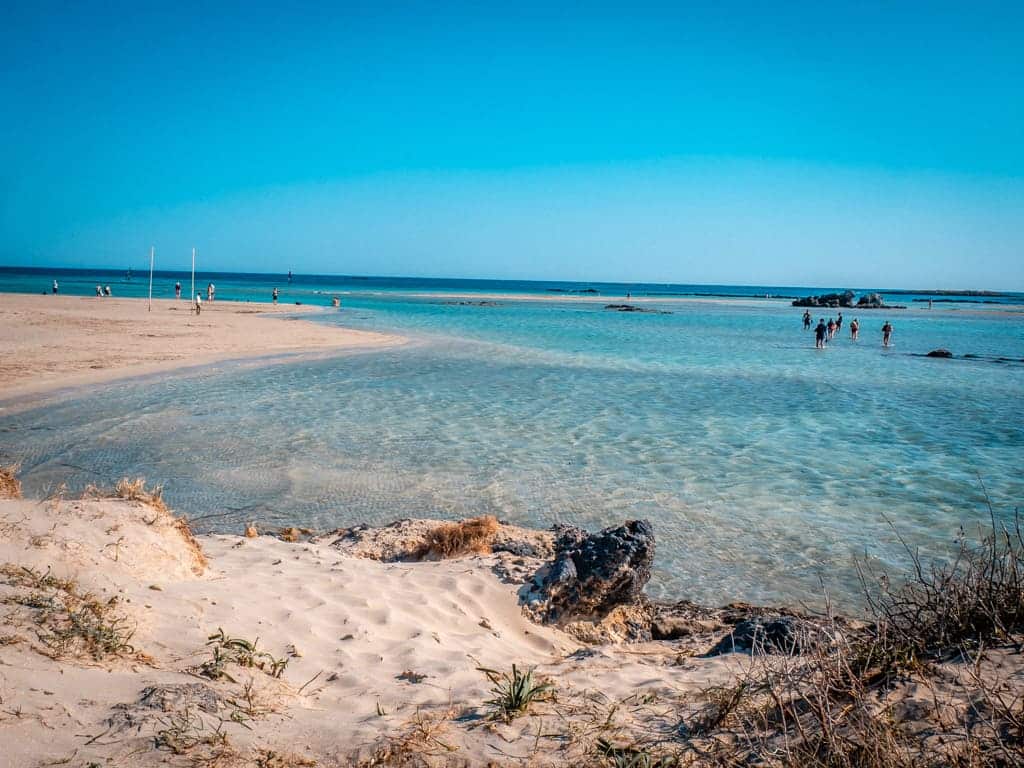
- Location: Elafonissi Beach
For a more developed resort experience, I would consider areas like Chania, Agia Marina, Platanias, and Hersonissos, which offer a range of activities and amenities.
Chania & Western Crete
You can find many different beaches around Chania. For party animals, the beaches in the northern part of Chania are particularly worthwhile, as there are many beach bars with music and delicious food, and the sand on the beaches is a beautiful white colour. In the south, you will find more pebble beaches, but the water is turquoise and crystal clear, and there are fewer tourists.
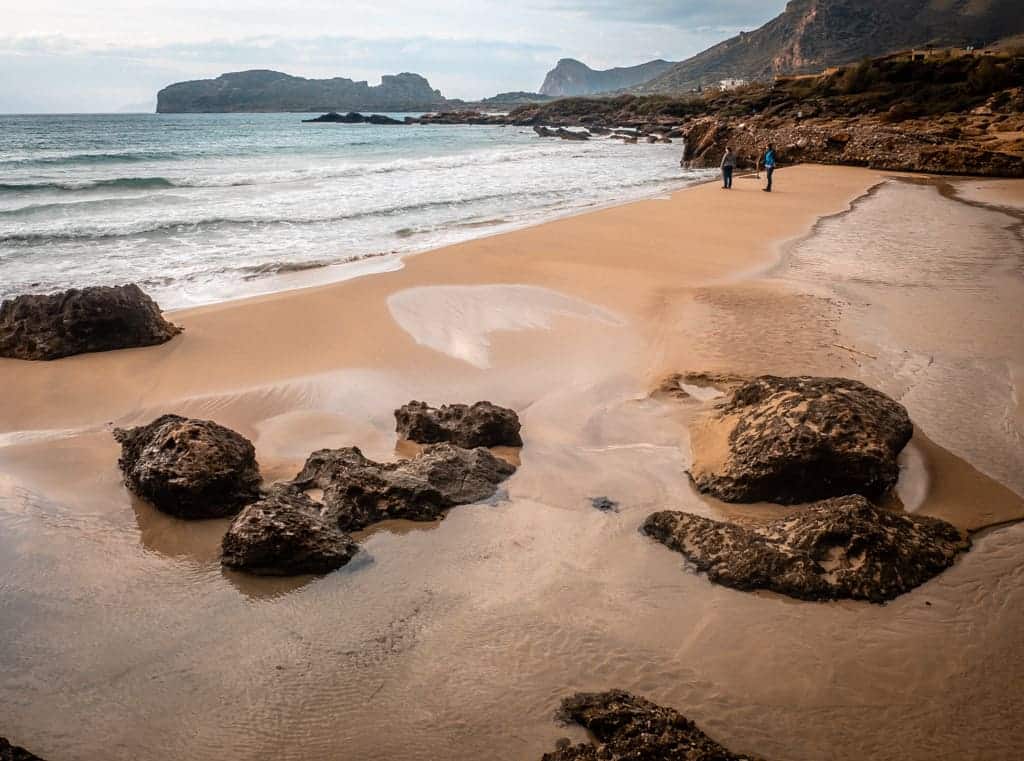
Falassarna Beach in the west of the island is known for its long sandy beaches. Although this beach is no longer an insider tip, it is quieter than many other beaches on Crete. There is parking near the beach, lovely tavernas offering Greek and international cuisine, and clean toilets. Those who want a more active holiday can also try stand-up paddleboarding and kitesurfing or take a walk through the dunes.
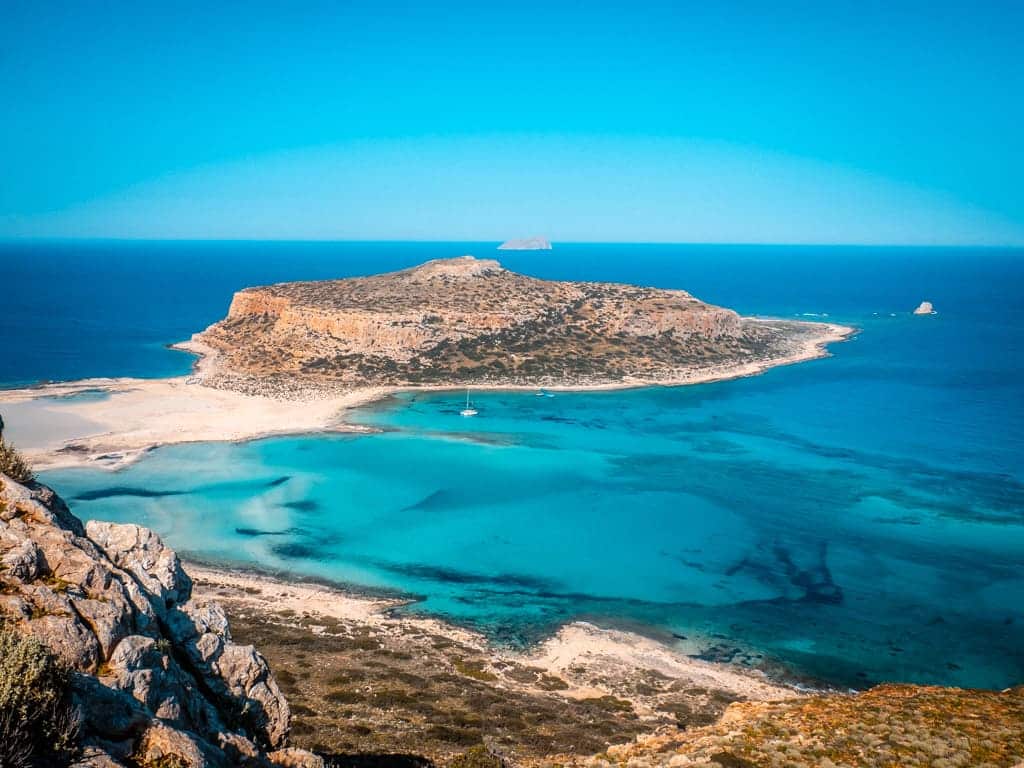
The much-photographed Balos Lagoon is very popular with holidaymakers and can therefore be very crowded in high summer, but if you come early in the morning or in the evening, you will find a nice spot here. Most visitors arrive by boat from Kissamos, which offers a beautiful view of the beach. If you want to drive there yourself, be prepared for a short walk to the beach. You will also usually have to pay €2 to use the road. However, the view over the sea and the dunes is almost priceless.
Southern Coast
Popular with hippies in the 60s and 70s, Matala Beach is located in a small bay and was already inhabited in the Stone Age. It is known for its rock caves, which you can explore during the day, and for its beautiful view of the sea. On the beach, you will find toilets and showers where you can rinse off the salty sea water, and many beautiful tavernas where the hippie vibe of the 60s and 70s is still clearly felt.
Less well known, but no less beautiful, is Kommos Beach. The dreamlike beach, which is 40 metres wide in some places, is popular with couples as you can watch the sunset here. This beach is also particularly popular with nudist holidaymakers, as you can sunbathe and swim without clothes here, except in a small, well-marked area.
Crete Holiday FAQs
Whats’s the tipping culture on Crete?
Tipping is customary in Crete and is generally expected. In restaurants, for example, around 10 per cent of the bill is considered appropriate. If you are unsure, you can ask at your hotel what is considered appropriate at your holiday destination.
What means of payment are generally accepted?
The currency in Greece is the Euro. Credit cards (VISA or Mastercard) are accepted as a cashless payment method in many places. Paying with cash is common, especially in rural areas. Cash machines can be found in all larger towns, but be aware that high fees are sometimes charged.
What are the roads like on Crete?
The roads on the island range from wide, paved motorways to winding, steep country roads, especially in the more mountainous regions of the island.
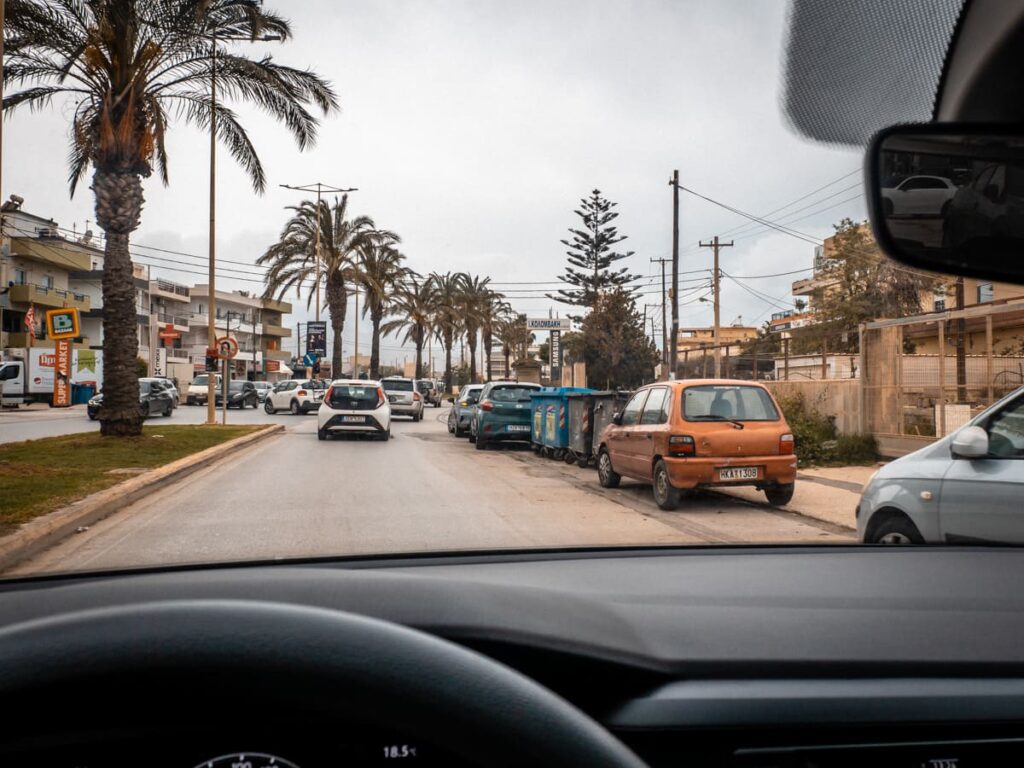
Traffic jams make it sometimes difficult to travel through cities such as Heraklion or Chania during rush hour. There are no toll roads. The entire road network can be used free of charge.
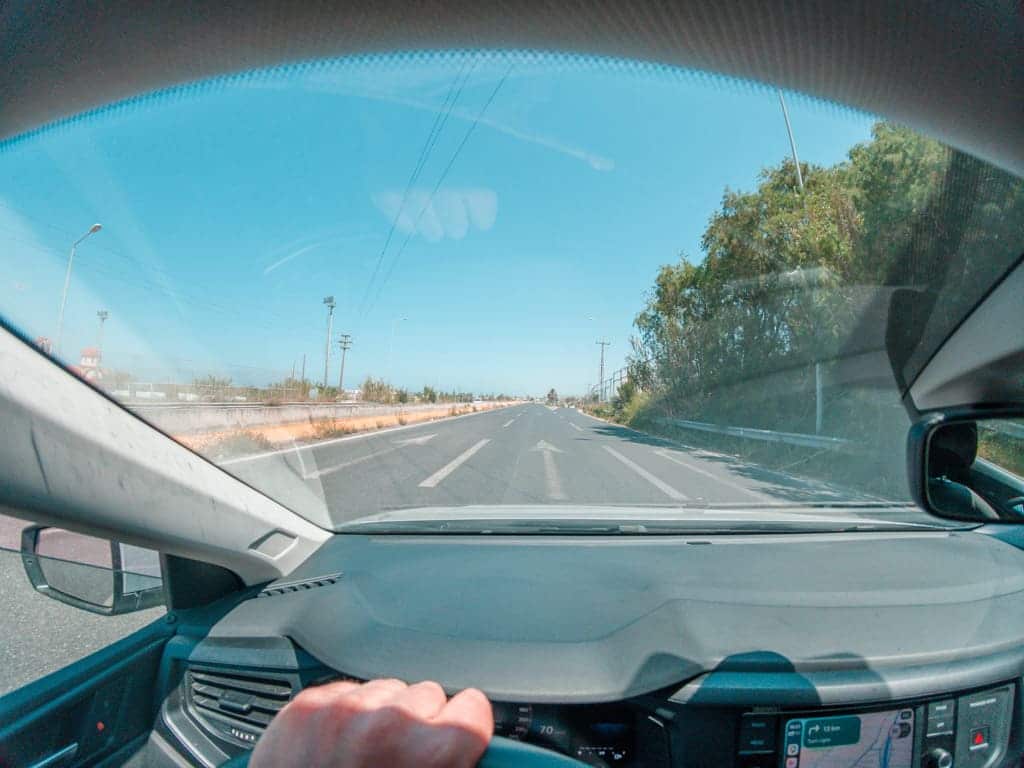
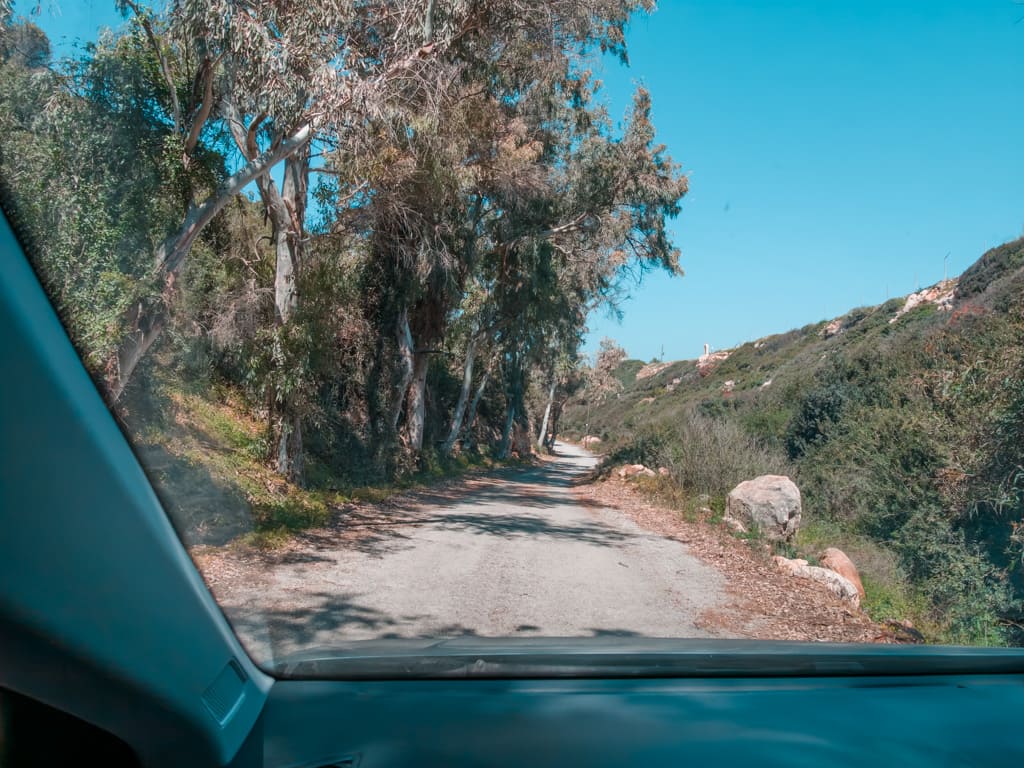
Traffic signs in Crete comply with international standards, but are often very small and therefore easy to overlook. The alcohol limit is 0.5 per mille.
A standard rental car is sufficient for most roads in Crete. However, if you want to explore more remote areas or steeper roads, it may be advantageous to rent a car with higher ground clearance or four-wheel drive.
What are some Crete Insider Tips?
- Stáousa (Kalo Nero): A secluded bay in the south-east with a tavern serving fresh fish.
- Church in the sea at Georgioupolis: An insider tip for photo opportunities and tranquillity away from mass tourism.

Hi. I’m Dirk, adventure traveller, originally from Germany. In 2020, Island Hopper Crete, started as a Greece travel blog. In 2022, I founded a small travel agency in the Balkans to complement my recommendations with some of the best experiences that I found, organized by local partners and friends.
 English
  Français
  Nederlands
  Español
  Polski
  Svenska
  עִבְרִית