
Eastern Crete – Top Highlights & Things To Do in the east of Crete Island
Crete East is well worth a visit. Here you will find the best sights and beaches in the east of the island. All you need to know about eastern Crete.
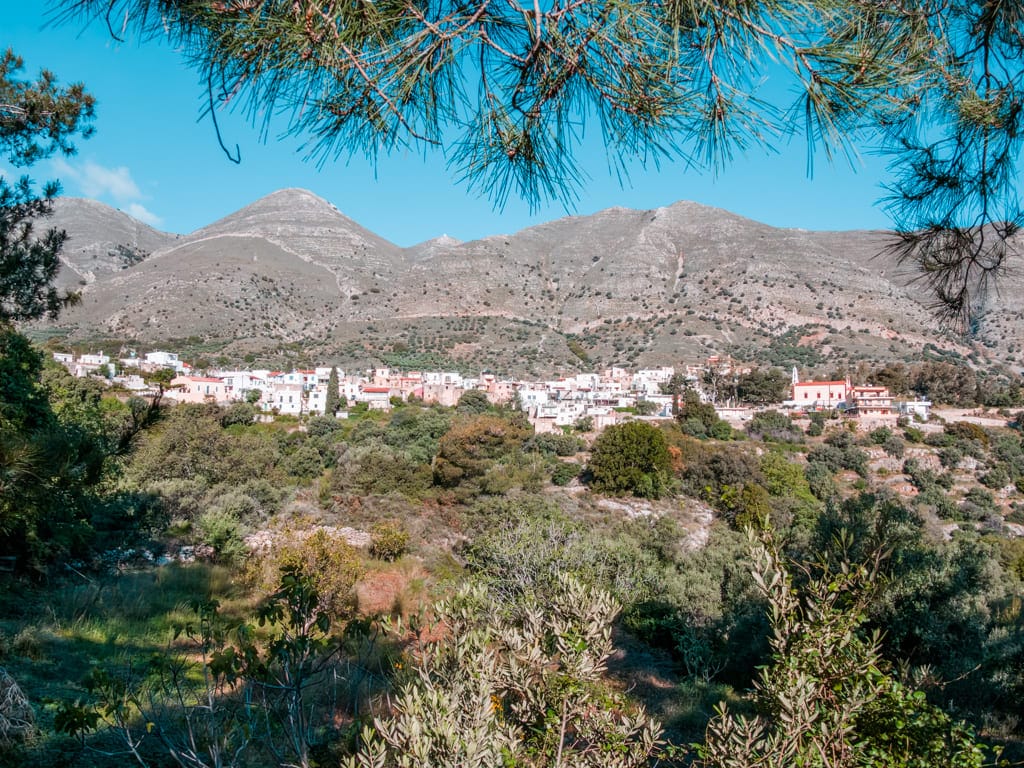
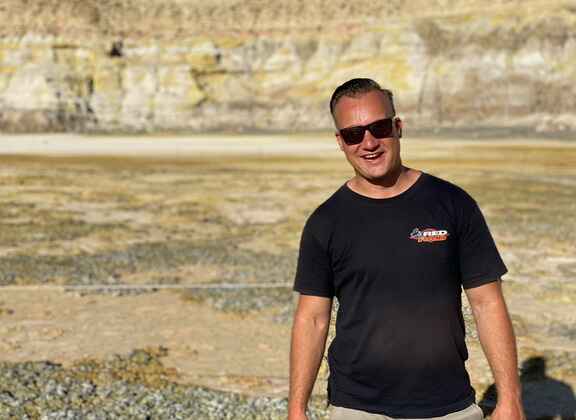
By Dirk Pohlers, Greece traveller from Germany. I visit every place I write about & share real tips, photos, & advice from my trips in this Crete travel blog.
Almost everyone has heard of the Greek island of Crete. And when people think of Crete, they usually think of beach holidays. The largest of the Greek islands is very popular with package tourists. But the island has so much more to offer!
- Eastern Crete is great for those seeking peace and a more relaxed atmosphere compared to the more bustling west.
- The region boasts a diverse landscapes, from palm forests and caves to mountains and coastal areas for those seeking natural beauty.
Table of Contents
Eastern Crete – The Less Explored
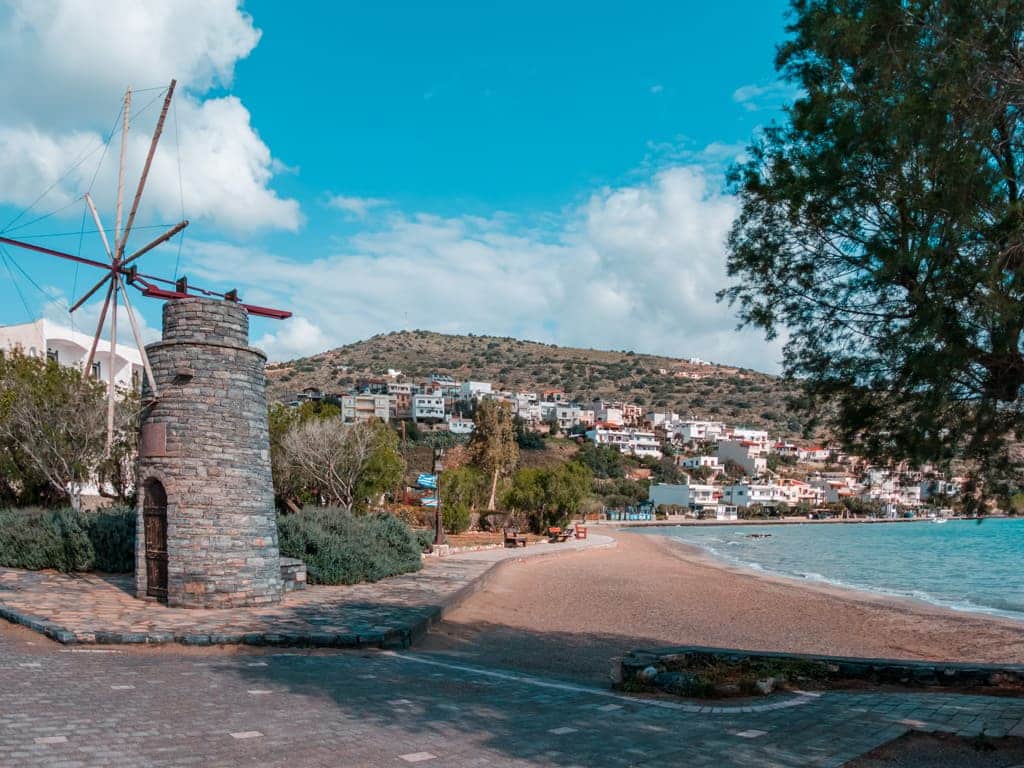
With an area of more than 8,000 square kilometres, Crete is more diverse than almost any other European island. Fantastic mountain landscapes, history you can touch, lots of opportunities for active holidays and culinary diversity await you on this Greek island. And yes, there are also fantastic beaches here.
Eastern Crete encompasses the Lasithi prefecture and includes the popular resort towns of Elounda and Agios Nikolaos, as well as historical sites like the palm beach of Vai and many ancient Minoan ruins such as Zakros. The region offers a mix of luxury tourism, quiet villages, and rugged, less-explored natural landscapes with beautiful beaches and traditional Cretan culture.
Eastern Crete – Things To Do & See
Crete is Greece’s largest island. It is approximately 254 kilometres long and 60 kilometres wide. Therefore, you should allow yourself plenty of time to explore the island. A road trip is definitely a good option. If you really want to get to know the island, you should plan at least two weeks or focus your holiday on either the east or west side. And then maybe come back again to explore the other side. That’s why I concentrated on the east of the island during my Crete trip.
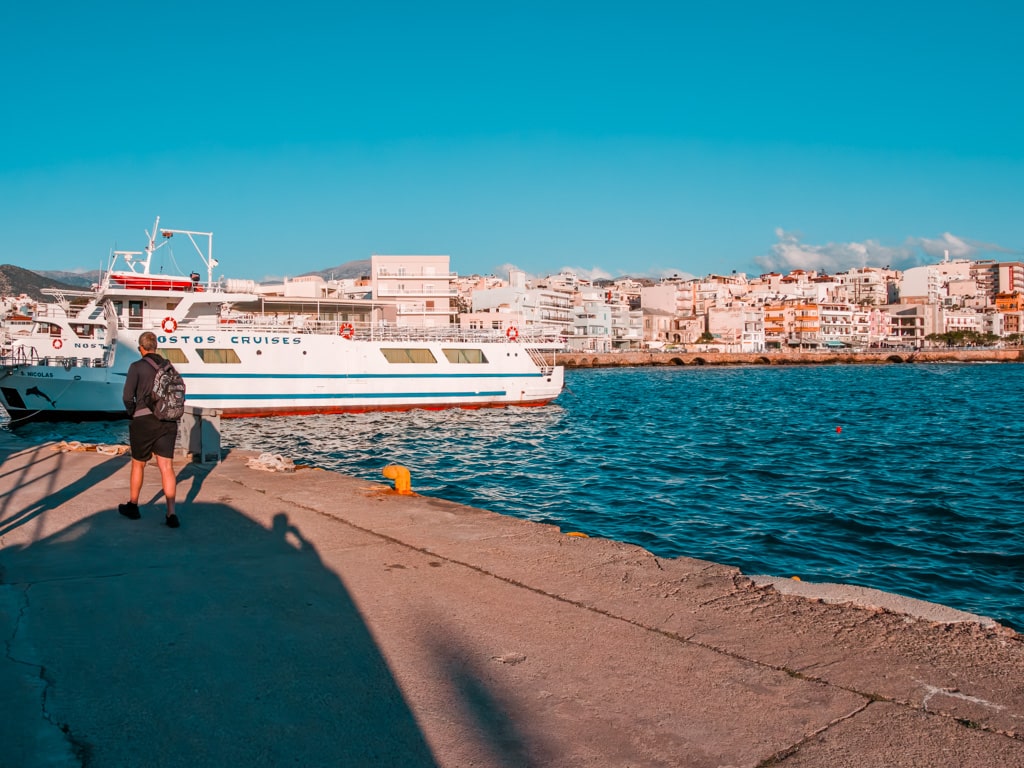
I’ll share the best tips and sights for eastern Crete with you. It doesn’t matter whether you’re on a road trip or staying in accommodation.
Agios Nikolaos
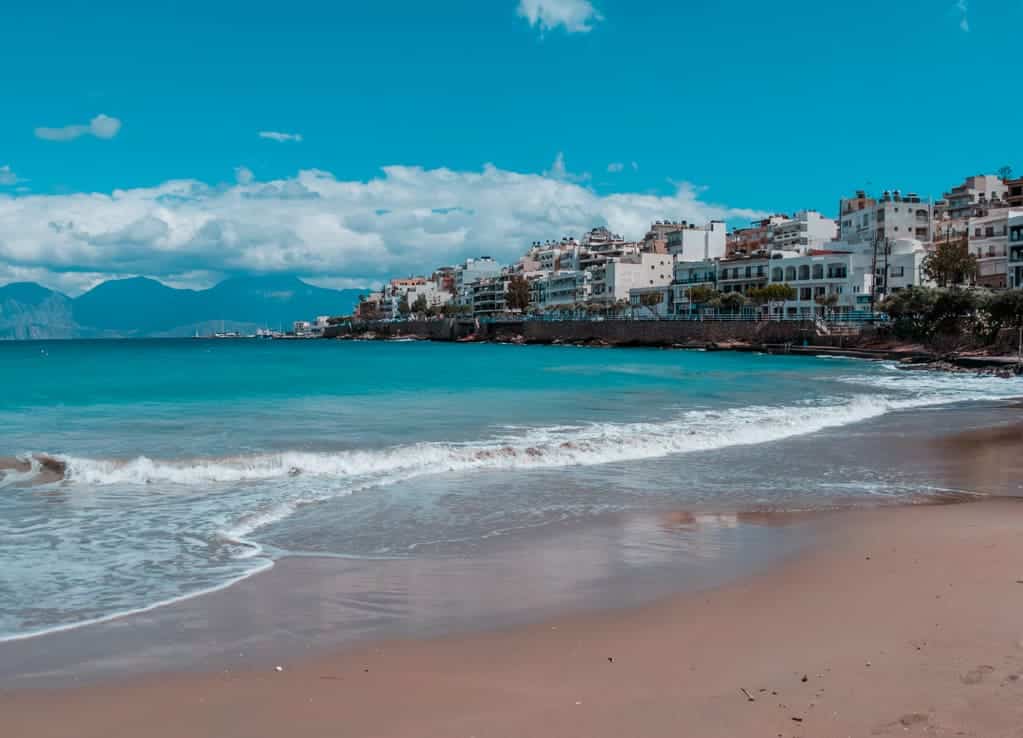
Agios Nikolaos is a maybe the most beautiful town in the east of the island of Crete. On the waterfront, you will find both a beach promenade and a city beach with several bays. Agios Nikolaos also has many taverns, cafés, shops and souvenir shops. You can easily spend a few hours strolling and shopping in the old town.
The region in the east of Crete is particularly well known for its olive oil. You can easily buy it here in shops. Or you can visit a Cretan Olive Oil Farm. Here you can gain an insight into the history and background of olive cultivation. In addition to olive oil, Crete is also known for its variety of herbs. The ideal basis for essential oils.
Agios Nikolaos is also the ideal starting point for tours to the Spinalonga peninsula. The island of the former leper colony is one of the most popular destinations in Crete.
Agios Georgios & the Lasithi Plateau
Agios Georgios, one of the main towns on the Lasithi Plateau, remains very traditional to this day. There are a few tavernas and guesthouses, but hardly any tourists stay overnight. The small folklore museum in a restored farmhouse next to the church provides an insight into simple Cretan life in the 19th and 20th centuries. Another museum provides information about the politician Eleftherios Venizelos.
The Lassithi plateau is famous for its windmills. These water- and flour mills were erected mostly by the Peloponnese settlers that arrived here in the late 19th century, to irrigate the plateau.
Visit the cave of Diktaion Andron: You should arrive in Psichro on the Lassithi Plateau by 1 p.m. latest if you want to visit the birth cave of Zeus, Dikteon Andron. Those willing to pay extra can ride a mule up to the cave entrance 700 metres away. You should bring some shoes with non-slip soles to visit the cave. According to legend, Zeus, the ancient father of the gods, was born in Crete’s most famous and most visited stalactite cave on the Lassithi Plateau and was fed milk by the goat Amalthia.
Zakros Gorge Hiking
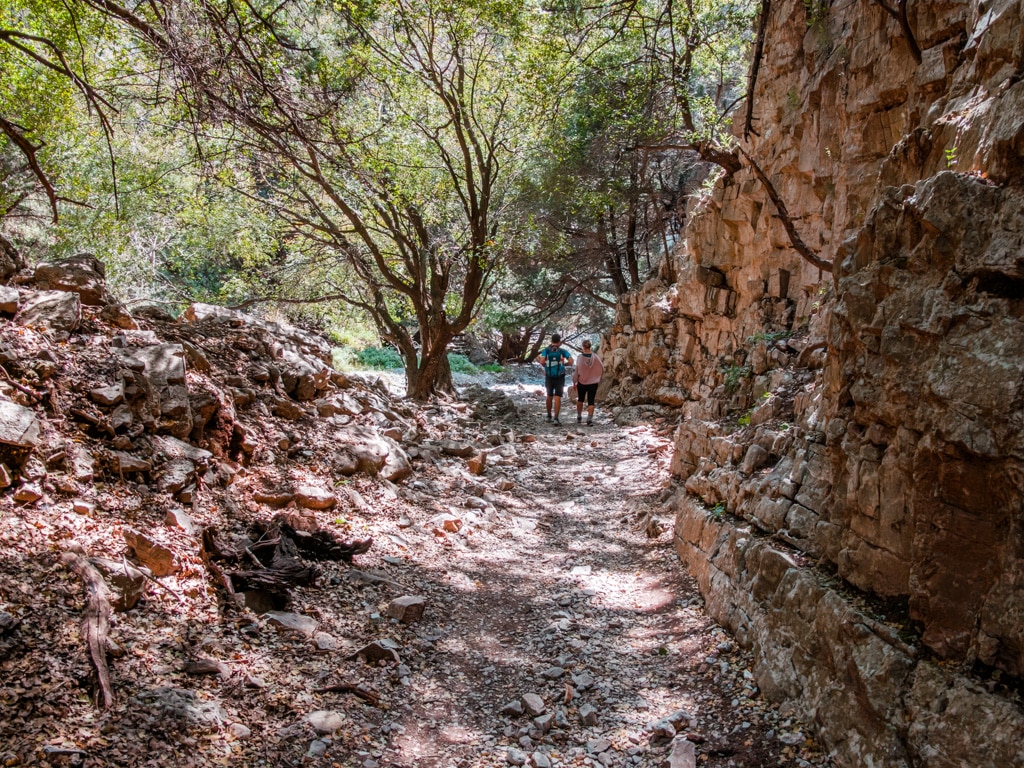
In the far east of Crete, between Zakros and Kato Zakros, which is located directly on the sea, lies the approximately 4 km long Zakros Gorge. The gorge is also known as the “Gorge of the Dead” due to its numerous caves, which were used as tombs in ancient times. A varied three-hour hike leads through the gorge, which is mostly a wide green valley with lush vegetation. Water flows through Zakros Gorge until spring.
An absolutely stunning and fairly easy hike (compared to other gorges). Well-marked trail, minimal elevation gain. Simply breathtaking scenery.
Tip: The gorge can be hiked from both Kato Zakros and Zakros. From Zakros directly or from one of the two car parks, or from Kato Zakros directly or via the highlands. The gorge is at its most beautiful in early spring (lush vegetation, pleasant temperatures, no tourism), but you should expect to get your feet wet when crossing one of the numerous streams.
Sitia & Richtis Gorge
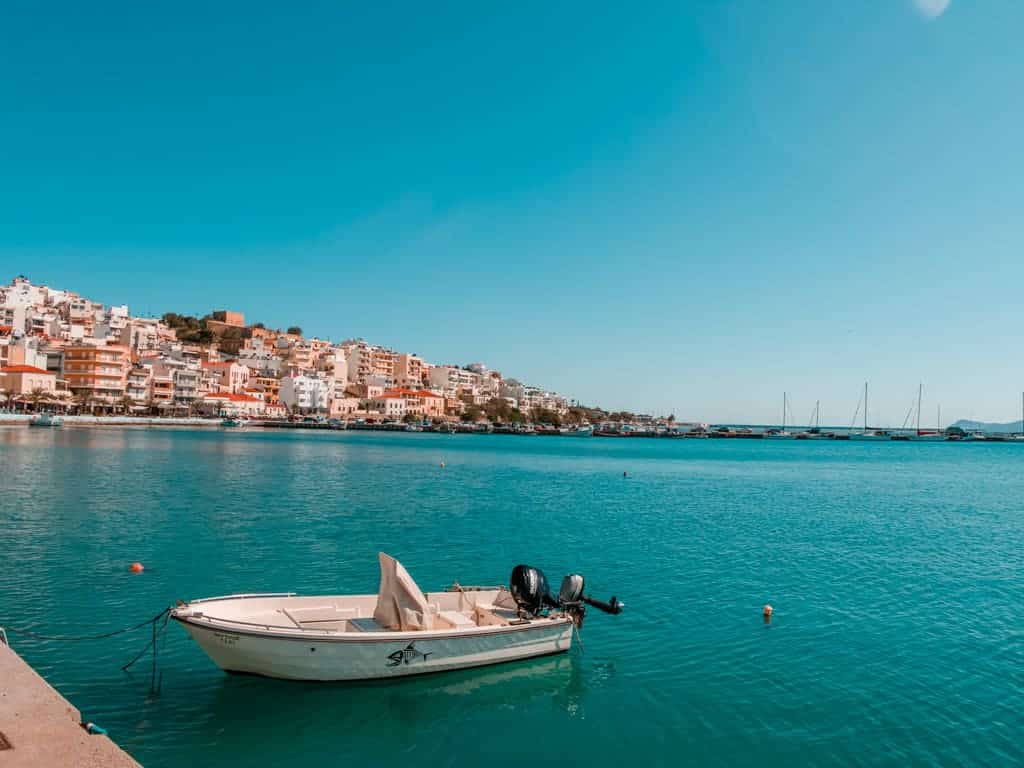
Sitia is the third largest town in the Lasithi region in eastern Crete, after Agios Nikolaos and Ierapetra. Once you reach Sitia and settle down, stroll in its picturesque alleys and streets; it is the ideal destination to unwind. Then visit the Archaeological Museum of Sitia, exhibiting artefacts from the sites of Zakros, Petra and Palekastro. The highlight is the Kouros of Palekastro, a bust of a young man made of ivory and gold.
I also recommend visiting the Monastery of Toplou, a mre 15km drive outside of Sitia. The fortified monastery from the 14th century is located on a plateau characterised by rocks and vineyards. Olive oil and wines are produced here according to organic standards. The monastery’s most valuable art-historical possession is an icon by the painter Johannes Kornaros from 1770.
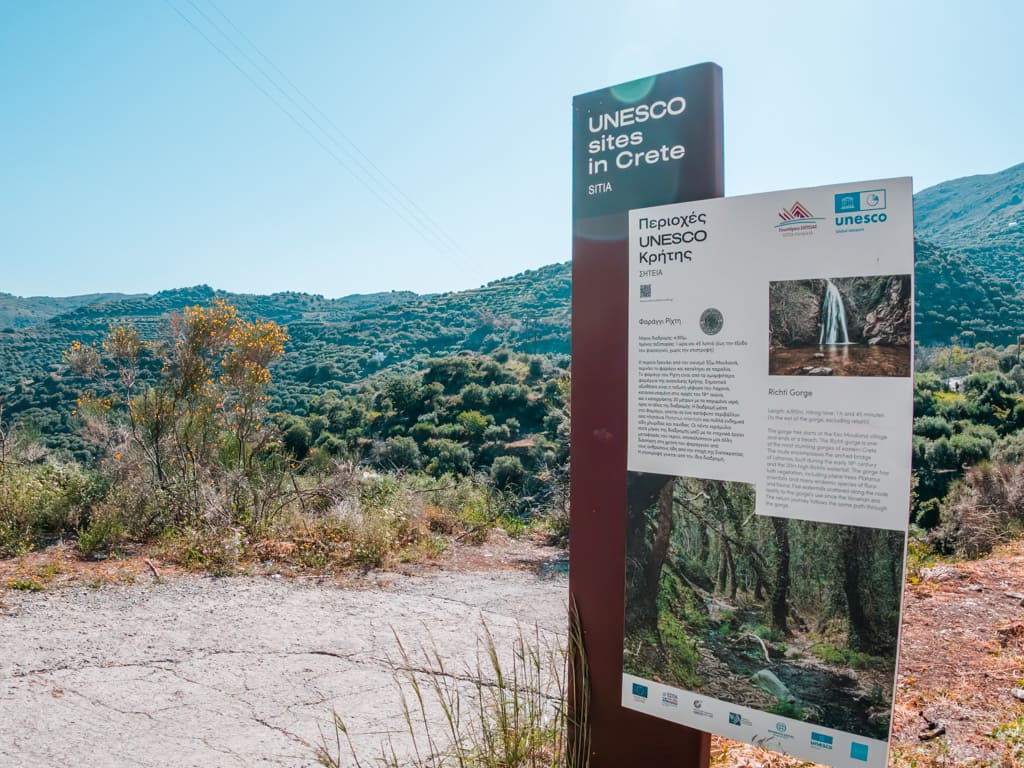
A unique natural gem awaits you just a few kilometres west of Sitia. The Richtis Gorge leads from the mountain village of Exo Mouliana down to the coast at Richtis Beach in just under 4 km. The moderately difficult hiking trail leads 4km down from the village of Exo Mouliana, winding its way through dense vegetation, past the remains of old water mills and along a stream that has to be crossed repeatedly.
Sturdy footwear is recommended, as there are also some climbing sections. During the season, there is a €3 entrance fee for the gorge. You will reach the heart of the gorge after 2 hours. The 20-metre-high Richti Waterfall nestles picturesquely in the unspoilt landscape and sometimes still has water even in mid summer.
Eastern Crete – More Things To Do & See
Visit the small fishing village of Mochlos
Mochlos is a small picturesque fishing village located In the gulf of Mirabello in Eastern Crete, easily within reach of Agios Nikolaos, Ierapetra and Sitia (all an easy one hour drive), the possibilities for exploration and sightseeing are numerous.
The old centre of this tiny village lies right on the waterfront. Directly opposite, on the islet of Mohlos, just 200 metres away, the excavations of a Minoan settlement and Minoan tombs are clearly visible. Mohlos is the perfect place for holidaymakers seeking peace and quiet, who are happy just with a narrow pebble beach.
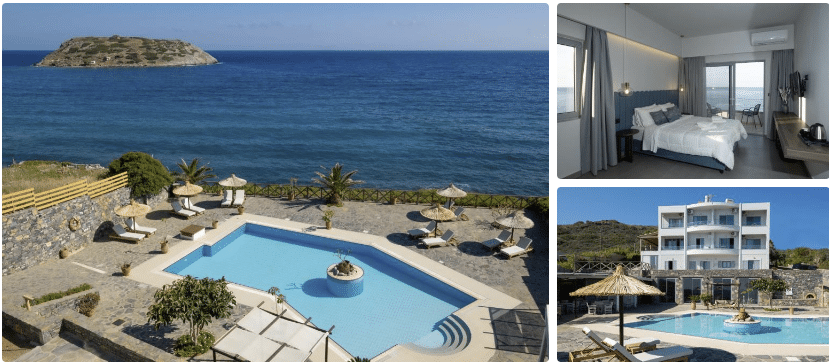
Where to stay? Is stayed at Mochlos Blue – Freshly renovated and beautifully furnished rooms in a small property with a great view of the open sea, swimming pool, free private parking, a garden and a bar. ☑ Check prices and availability here.
All life in Mochlos centres around the Platia, which is located right on the waterfront and beach. Almost all of the village’s tavernas are located here around the small harbour. I took the chance to visit The Vogazi Tavern, Tá Kochília and To Mesostrati. I was enjoyed all three tavernas. Seafood and fish are the main dishes served here. The service staff are happy to recommend the catch of the day, which you won’t find on the menu.
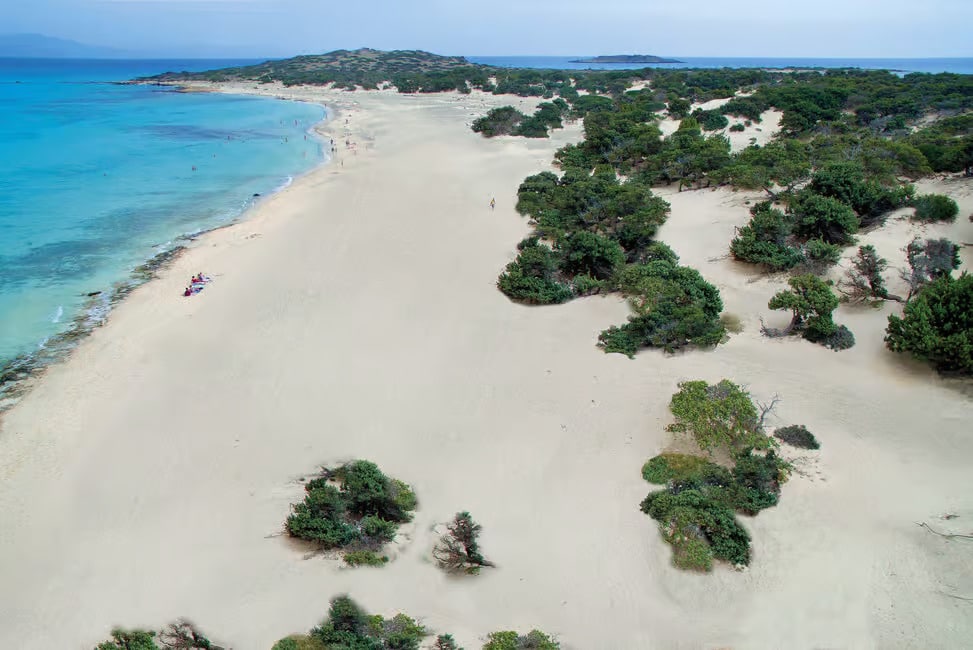
Tip: Book a mini cruise (day trip) to Chryssi Island Nature Reserve. The tour from Ierapetra to the uninhabited paradise of Chryssi (Gaidouronisi) takes place daily (mid-May to end of October) and lasts approximately 3 1/2 hours in total, including a stay on the island. The uninhabited island of Chryssi Island is a nature reserve of breathtaking beauty. Among the island’s special features are a cedar forest that is unique in Europe, beaches with crystal clear water, lush flora and fauna, fine golden sand and beautiful colours.
Gournia Archaeological Site
Not all Minoans lived in palaces. Gournia near Pachia Ammos is a small Minoan town that American archaeologists excavated in 1901–04 at the narrowest point of Crete near the north coast.
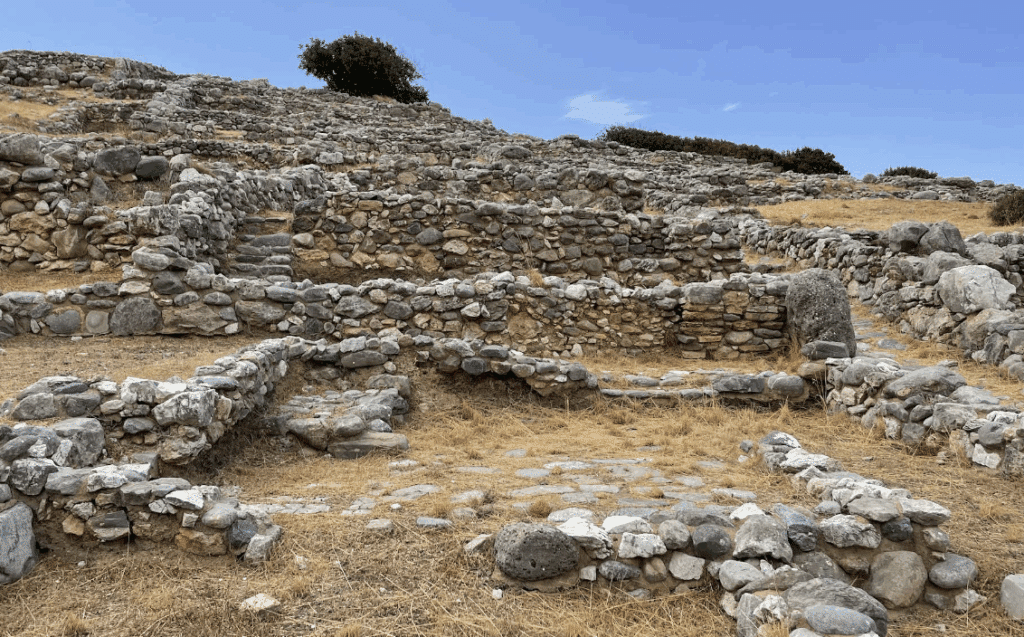
Visitors to the excavation walk along narrow, cobbled streets between houses that were once at least two storeys high and interwoven, see the sophisticated system of clay water pipes and, on the ridge of the hill, a small place of worship with a festival ground.
- Location: Gournia Archeological Site Crete
- Opening Hours: Tue-Sun 8:00 a.m.-3:00 p.m, closed on public holidays
- Admission: Adults €2, Children up to 19 years of age Free
Eastern Crete – Beaches
Here is a selection of my favourite beaches in the east of the Greek island.
Vai Palm Beach
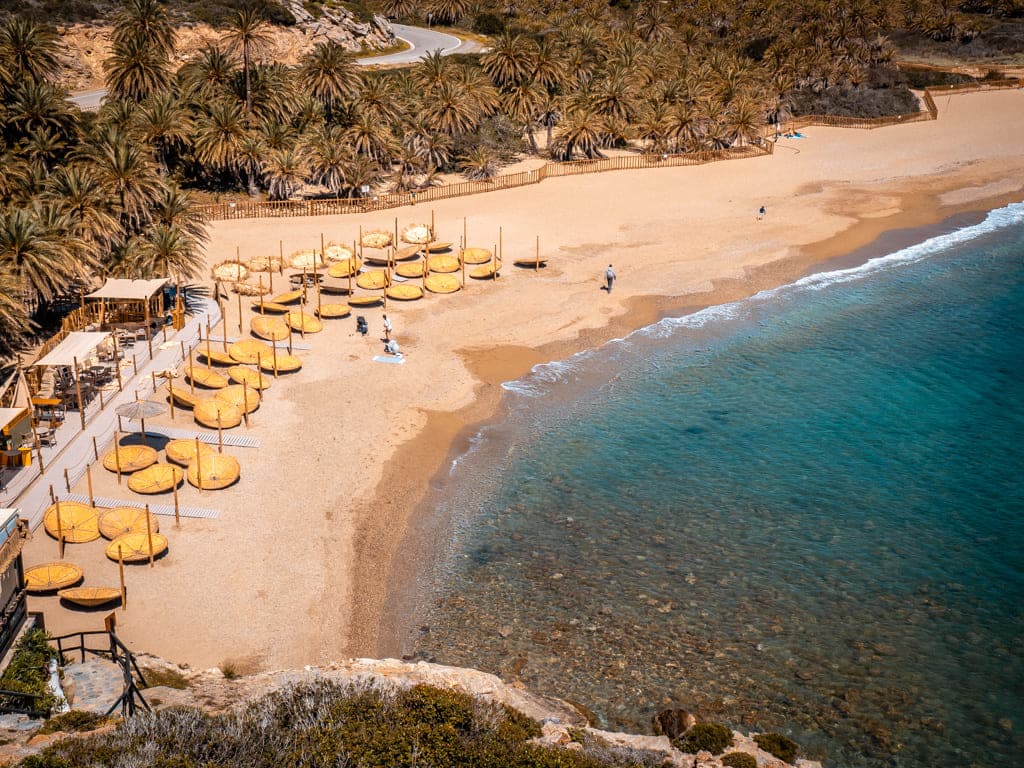
There are not many palm beaches on Crete, actually quite the contrary. Vai Palm Beach is located in the far north-east of Crete. Around 25 kilometres from the town of Sitia, this is perhaps the most beautiful palm beach on Crete.
- Location: Vai Beach
Light brown sand, with a few palm trees by the beach – although more in the back rows. The palm forest is now closed to visitors, but you can still lie down under the shady tropical giants near the beach, giving you a little Caribbean feeling. As there is no parking along the road to the beach, you will have to make do with the paid car park at Vai Beach (€3 per day). Two sun loungers and a parasol will cost you €15, VIP loungers with a lock cost €30.
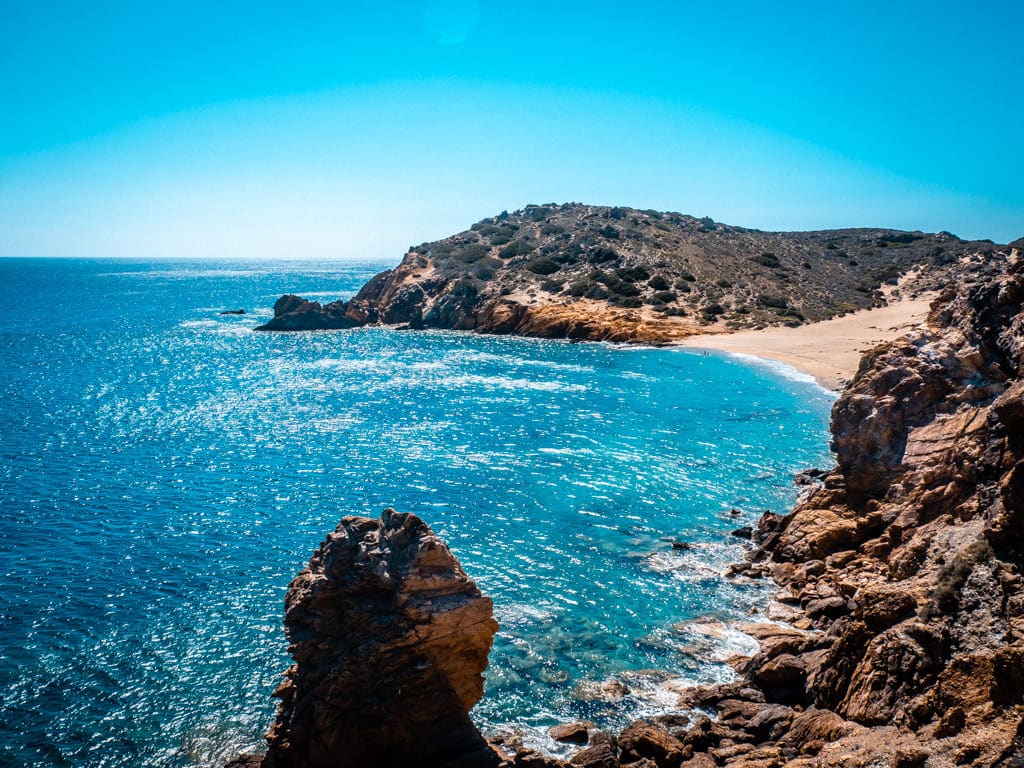
A tavern is located just above the beach offers a beautiful view of the area while the view from the viewing platform at the end of the stone steps is even more beautiful. If you walk around a bit on the rocks above, you can also see Psili Ammos Beach – a bay with wonderfully crystal-clear water that shimmers in many shades of turquoise. he beach is about a five to ten-minute walk from Vai and is ideal for those who want to see the palm-lined beach of Vai but prefer a quieter spot for sunbathing and swimming.
Tip for snorkelling enthusiasts: I spent most of my time around the large rock at the southern end of the beach, where there was hardly anything to see. Snorkellers had more luck in the north, where there is a small reef near the beach. With a bit of luck, you can also see lionfish here.
Alatsolimni Beach
- Location: Alatsolimni Beach
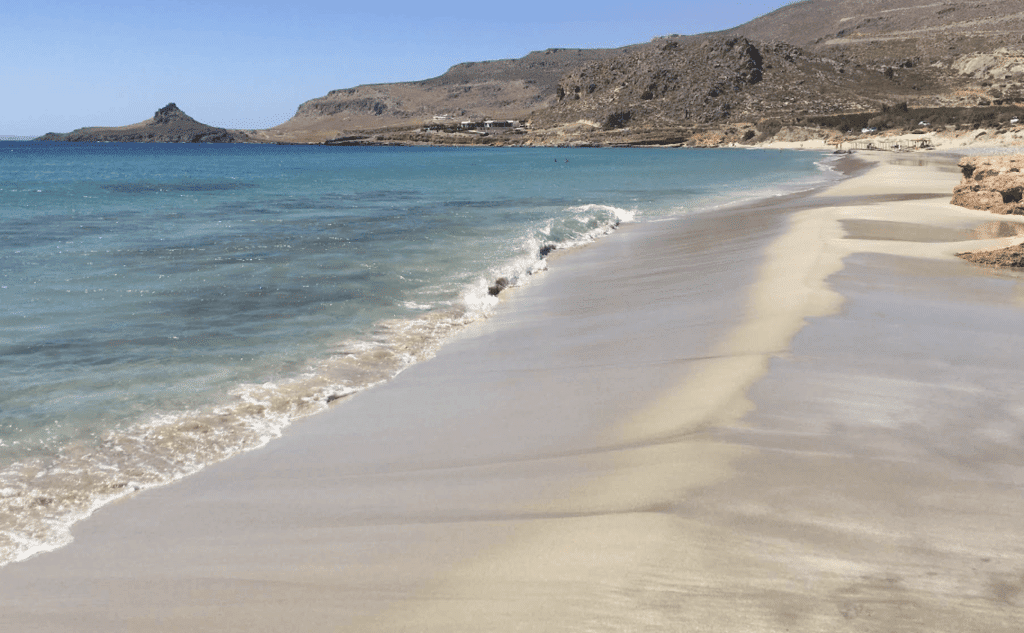
This beautiful beach is located on the east side of Crete, in the bay of Ambelos. There are showers, but no bathrooms or sun loungers. Instead, there are great sand dunes and plenty of space for your own towel. The landscape around the beach is simply beautiful, making it worth the slightly longer drive for a day trip.
Itanos Beach
- Location: Itanos beach (Παραλία Ίτανος)
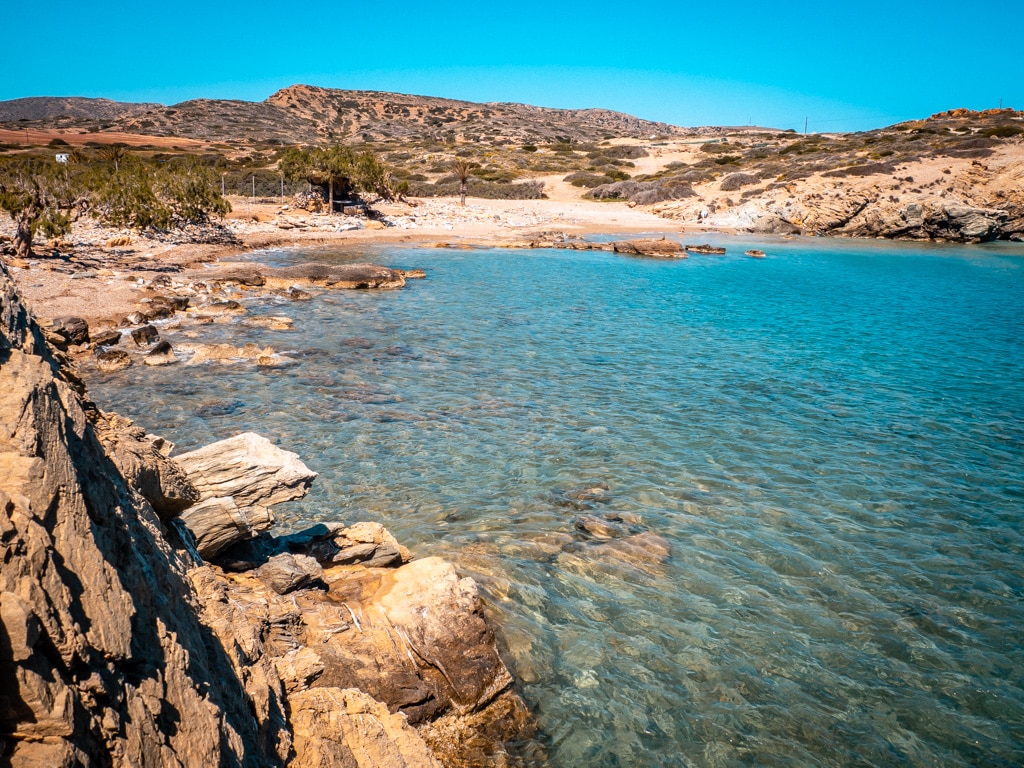
Itanos Beach is located a few kilometres north of Vai Palm Beach. It is not as well known as its neighbouring beach, but that is also why I think it is worth a visit. Note: the large bay is used as a nudist beach during the season, there are no sun loungers or showers here. On the other hand, it is usually very quiet. Itanos Beach actually consists of three bays located between the ruins of the Itanos archaeological site. The ruins can be visited free of charge.
Atherina Beach
Tiny beach in a secluded bay, but I liked it so much that I wanted to include it in this list. If you are looking for a private beach without other people, this is the place for you. Due to its sheltered location between the rocks, you not only have a great place to lie down, but also a small swimming pool, so to speak. Of course, there are no sun loungers, toilets or restaurants here. But there is endless peace and quiet.
Where to stay in Eastern Crete?
I aimed for a charming small hotel, restaurants by the sea, and lovely beaches nearby. Moreover, the target region should have plenty of attractions within easy driving distance. I can’t just lounge on the beach, sipping cocktails all day long. Eventually, I found what we were looking for. I stayed the first few days near Malia close to the airport in a hotel and then spent a few days near Sitia in an apartment with a lush green garden.
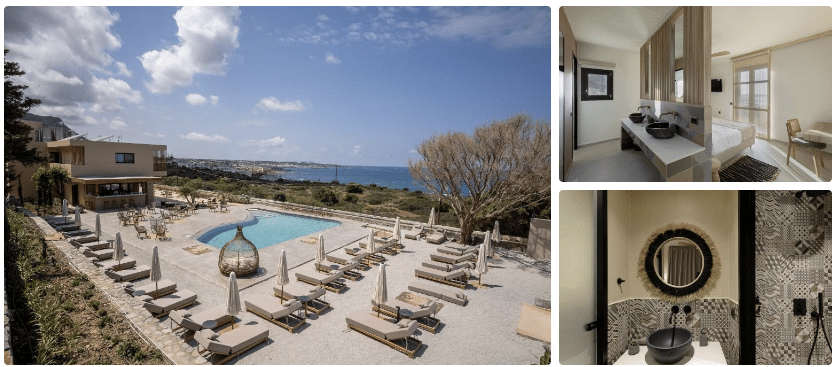
The Nest Resort (near Malia) – Lovely boutique hotel, about a 25 minutes ride from Heraklion airport. Amazing, spacious rooms with private pools and ocean views. The hotel combines light luxury with design. Whether you’re relaxing by the pool or on your balcony, you’ll feel like you’re in paradise. The hotel restauran serves delicious drinks and Greek dishes with a modern twist. ☑ Check prices and availability here.
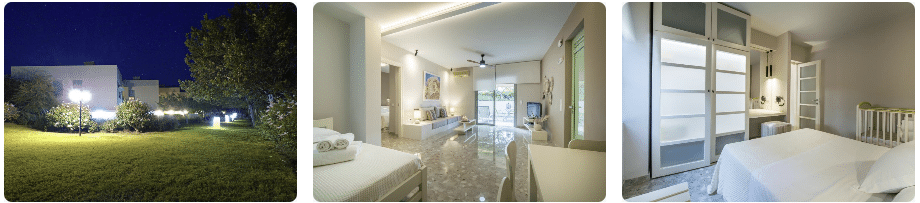
Nereides Apartments (Sitia) – Modern but simple, sparkling clean apartments with huge terraces located right next to the beach with a cafe right opposite and the centre of town within walking distance. With a fully equipped kitchen, this is also a great choice for self-catering families. Enjoy the sunset views across the bay. Staff are friendly and helpful. ☑ Check prices and availability here.
FAQ
What is the most beautiful place in eastern Crete?
The most beautiful places in the east of Crete are Vai, Xerokampos, Zakros and the Richtis Gorge.
Which part of Crete is the most beautiful?
That depends on your preferences – the east of Crete is ideal for those seeking peace and quiet and nature lovers, while the west is better known for its large sandy beaches.
Which side of Crete has the most beautiful beaches?
The east coast of Crete scores with secluded bays, while the west offers well-known beaches such as Balos and Elafonissi.

Hi. I’m Dirk, adventure traveller, originally from Germany. In 2020, Island Hopper Crete, started as a Greece travel blog. In 2022, I founded a small travel agency in the Balkans to complement my recommendations with some of the best experiences that I found, organized by local partners and friends.
 English
  Français
  Nederlands
  Español
  Polski
  Svenska
  עִבְרִית