
10 Amazing Things To Do in Chania, Crete
Follow me to 10 amazing things to do in the city of Chania, northern Crete. Chania is a city on the northwest coast of the Greek island of Crete. It’s known for its 14th-century Venetian harbor, narrow streets and waterfront restaurants. At the harbor entrance is a 16th-century lighthouse with Venetian, Egyptian and Ottoman influences. Opposite, the Nautical Museum has model ships, naval objects and photographs. The former monastery of St. Francis houses the Archaeological Museum of Chania.
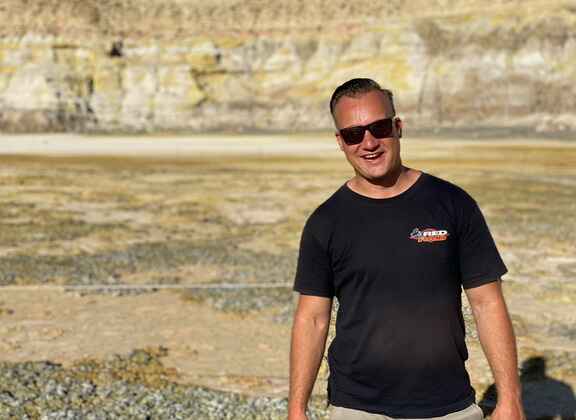
By Dirk Pohlers, Greece traveller from Germany. I visit every place I write about & share real tips, photos, & advice from my trips in this Crete travel blog.
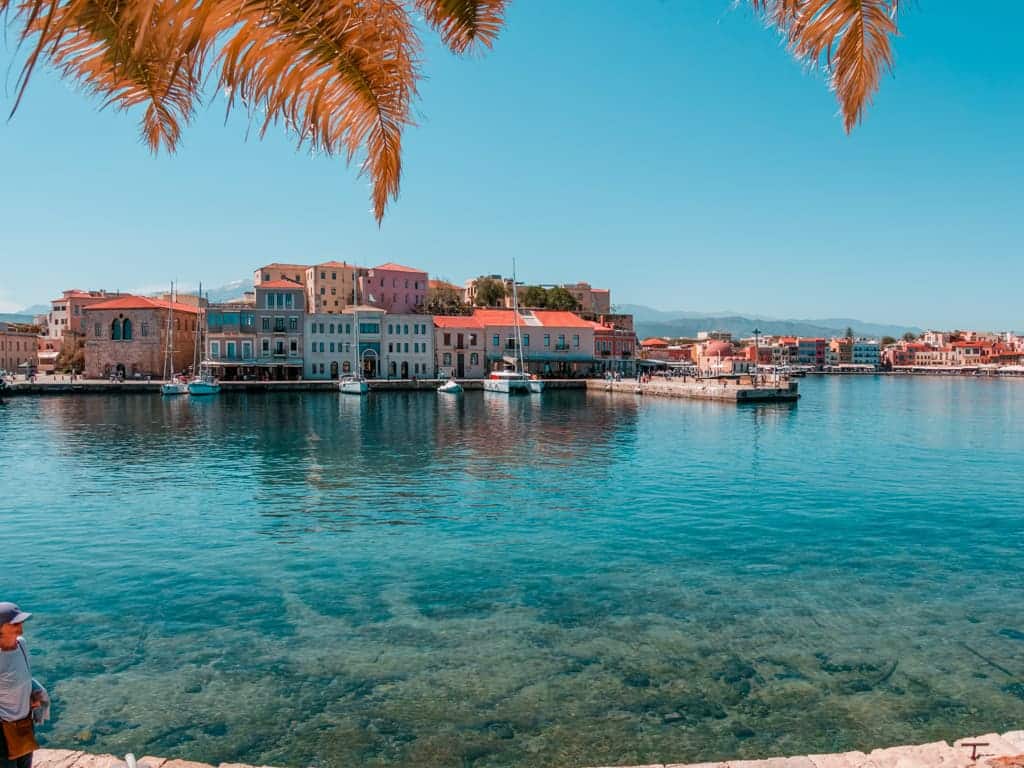
Table of Contents
Chania – A feast of experiences that capture the soul of Crete
The ‘Venice of the East’ welcomes you with its incomparable maritime flair. In north-western Crete, the city of Chania attracts those interested in history and culture. Those seeking relaxation love the beaches, and children also feel completely at home – look forward to the perfect holiday idyll in beautiful Greece.
To help plan your trip, I’ve pulled together my thoughts on the most wonderful things to do in Chania.
Is Chania worth visiting?
Many visitors consider Chania to be the most beautiful city in Crete. The historic old town in particular is charming. I recommend staying at least two days in Chania. One day is a fair amount of time to explore Chania’s main attractions in the centre, including the Venetian harbour and the old town, and to enjoy some local specialities like for example Dakos. With two days in Chania, you will also have time for a trip to one of Crete’s vast beaches, such as Elafonisi, or a hike in Samaria gorge.
The city of Chania also serves you well as a base for discovering western Crete, exploring beaches, activities and things to do in the area.
Where to stay
The old town of Chania has a special charm, especially in the evening, and it is worth spending at least one night here. Once the day tourists have left the city, peace and quiet returns to the alleys in town.
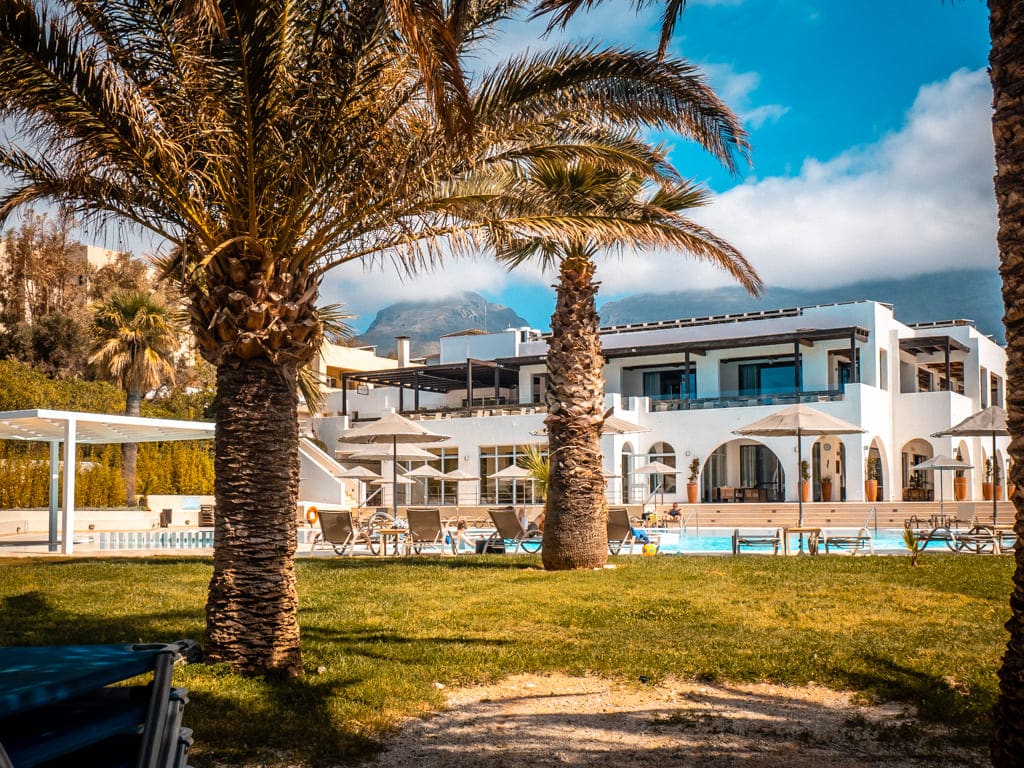
There is plenty of accommodation in Chania, and renovated Venetian houses in traditional style are recommended. I stayed at Agapi Suites.
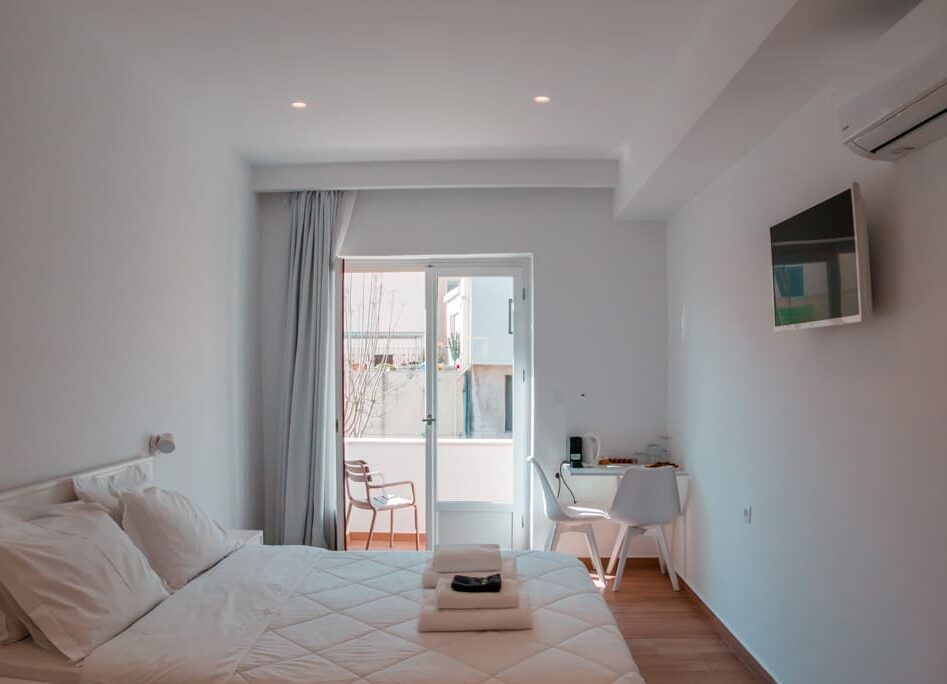
Agapi Suites – Exceptional hotel just on the edge of the old town with stylish modern rooms featuring traditional elements. All attractions as well as the old harbour are in walking distance. Free parking available just behind the old venetian walls close by. Very friendly and helpful staff, Eleni made my stay here just perfect. ☑ See prices and availability here.
Chania – Things To Do & See
Would you like to learn more about the history of Chania and Crete? You can fulfil this wish with an extensive tour that takes you to exciting places. Let’s go!
Old Town
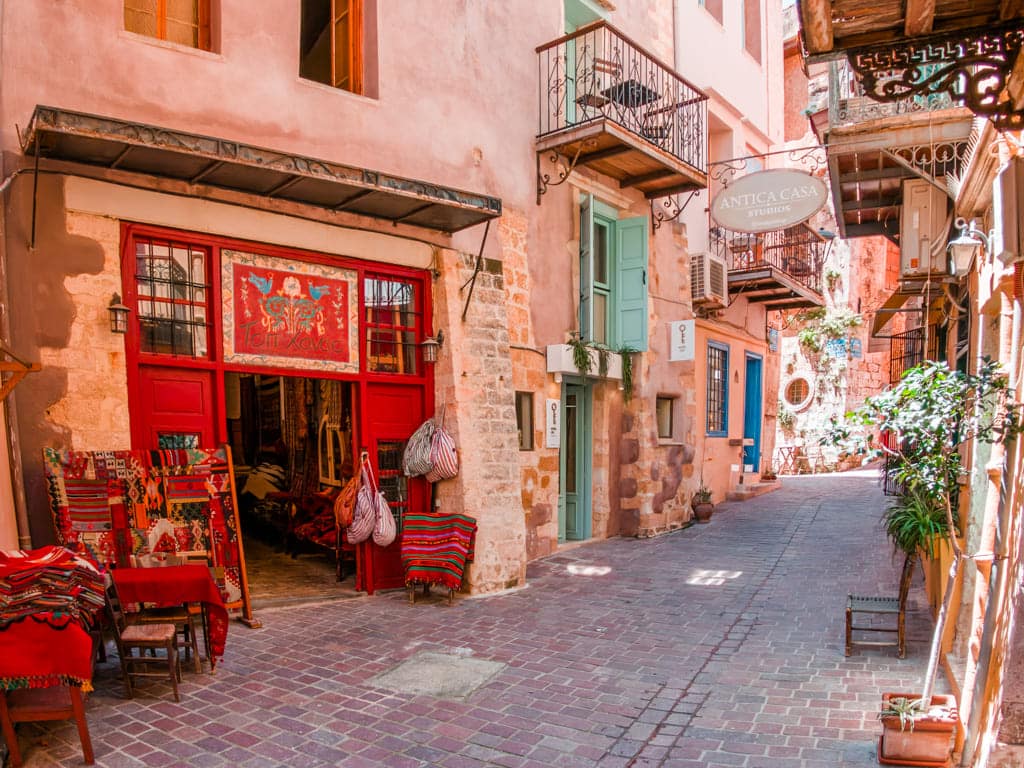
- Location: Chania Old Town
On a walk through the centre of Chania, you can feel the rustic charm of the city. The architecture is characterised by Venetian and Ottoman influences. The ornate houses are home to many small cafés and restaurants that invite you to linger and savour the local cuisine. Shopping fans can stroll through the chic shops and choose the most beautiful souvenirs from Greece.
To the west, the historic district is bordered by the massive walls of the San Salvado bastion. Parts of the Venetian city walls can still be climbed, including the West Venetian Walls, which offer a beautiful panoramic view.
Firkas Fortress & Martime Museum
This historic complex from the mid-16th century is a true visual delight. It is located in the north-west of Chania adjacent to the San Salvador Bastion and was also built by the Venetians. Its function at that time was to protect the city from dangerous sea attacks. During the Ottoman rule, it served as a barracks and later as a prison.
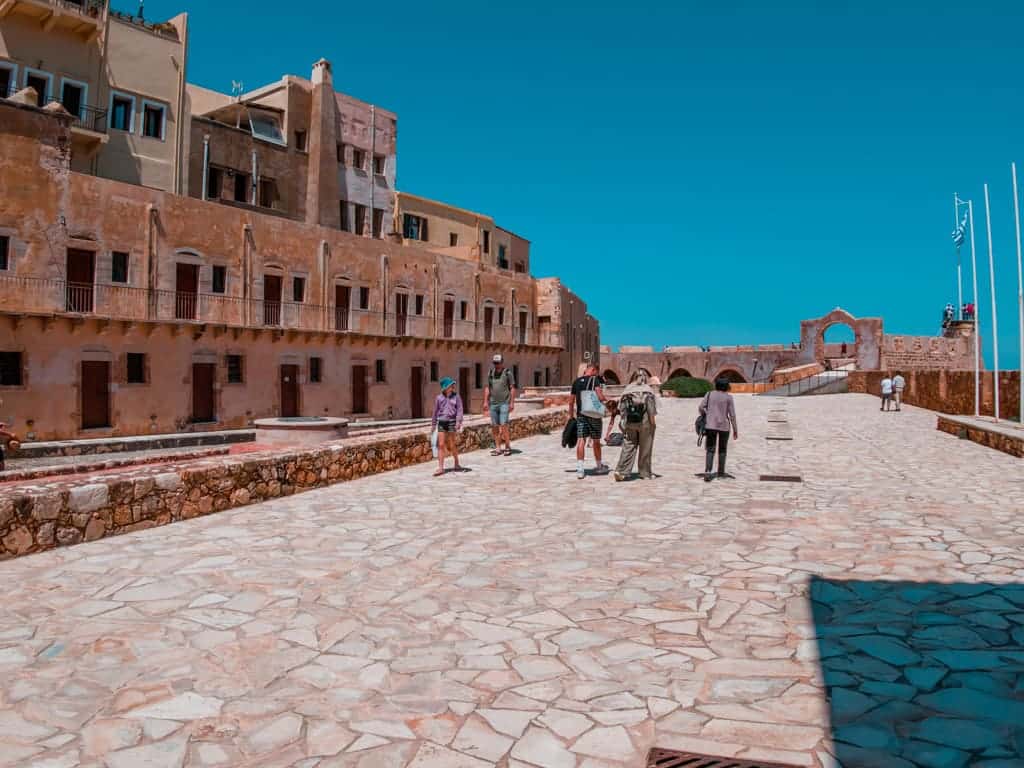
This explains its name, as Firka translates as barracks. Today, it houses a marine museum that is well worth seeing.
- Opening Hours Maritime Museum: Mon – Sat, 9am to 4pm
- Cost: Adults €5, Children €4
- Website: http://mar-mus-crete.gr/en/the-museum/
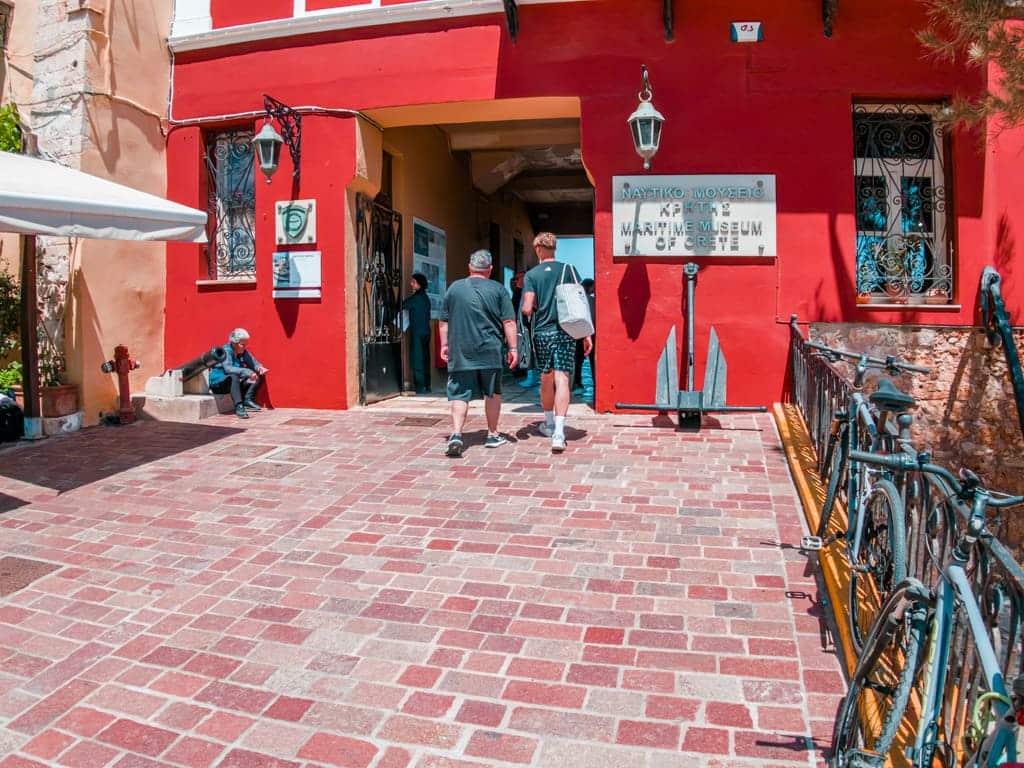
In summer, the unique atmosphere is used for concerts and theatre performances. From the fortress, you also have a charming view of the harbour and the lighthouse.
Venetian Harbour & Lighthouse
A maritime flair awaits you at this landmark of the city. Stroll leisurely along the sea and watch the boats coming and going! The atmosphere, with the water and colourful houses, is reminiscent of Venice and attracts globetrotters and romantics – especially in the evening when the lighting is atmospheric. In the restaurants, you can enjoy a fabulous view as well as the culinary delights of Crete. The famous Venetian harbour and pier were built in the 14th century.
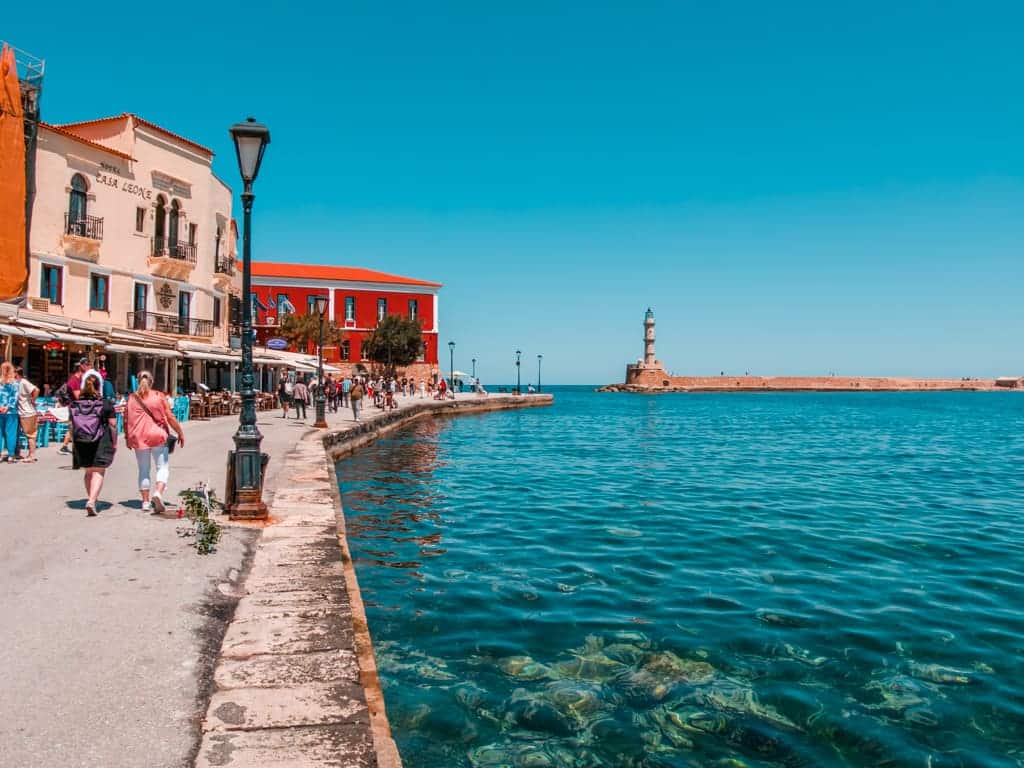
- Location: Old Venetian Port of Chania
Built in the late 16th century, the lighthouse is one of the city’s historical landmarks. However, it did not take on its current appearance until 1839, after the original building had been neglected and eventually abandoned. It is 21 metres high, has a visibility range of seven nautical miles and was designed in oriental style in the form of a minaret. Together with other fascinating Ottoman buildings nearby, it symbolises the city’s eventful past and is one of the most beautiful lighthouses in Greece.
Etz Hayyim Synagogue
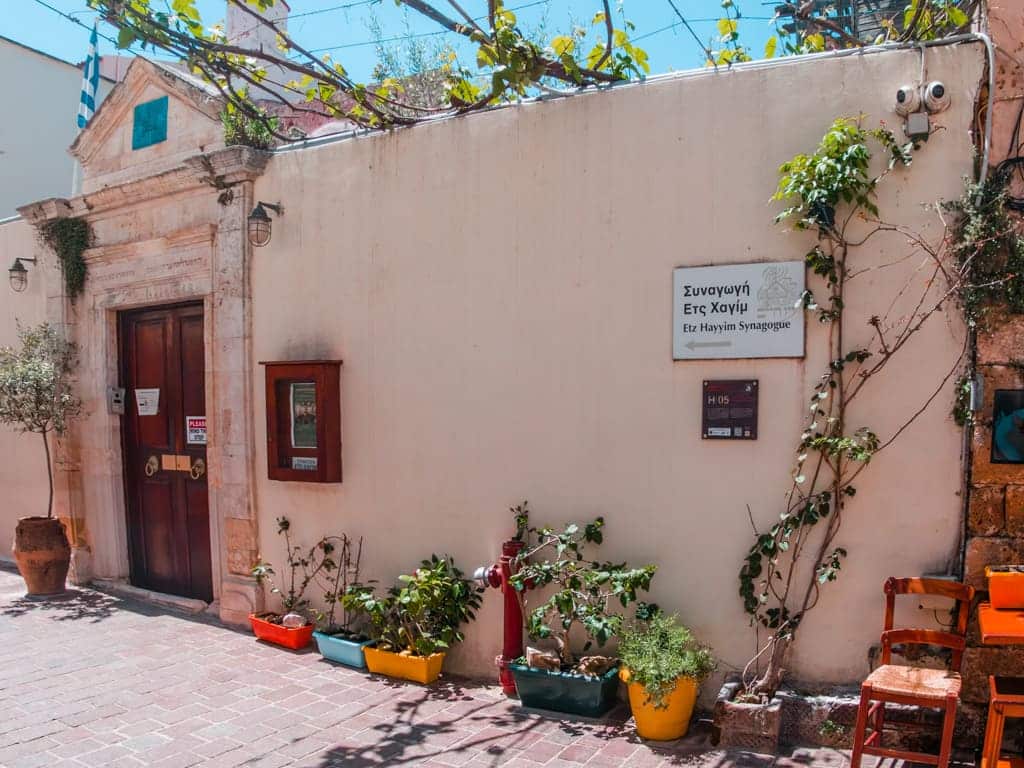
This magical building, whose name means ‘tree of life’, should be on your sightseeing itinerary. The synagogue built in the 15th century and reopened in 1999 after being destroyed in the Second World War.
Today, it still serves as a place of worship and is also used as a community and cultural centre. In addition to a variety of exhibitions and educational lectures, film screenings and concerts are also held here. It can be visited as part of expert guided tours.
Holy Trinity Monastery (Agia Triada)
This charming monastery is located on the Akrotiri peninsula near the village of Koumares. It is set in a picturesque landscape where olive groves meet vineyards. Built in the 17th century by Venetian monks, today it is considered an important Renaissance building. The centrepiece is a magnificent cruciform church surrounded by two side chapels. Some preserved artefacts from the period can be viewed in an exhibition.
Splantzia Square and Sifaka Street
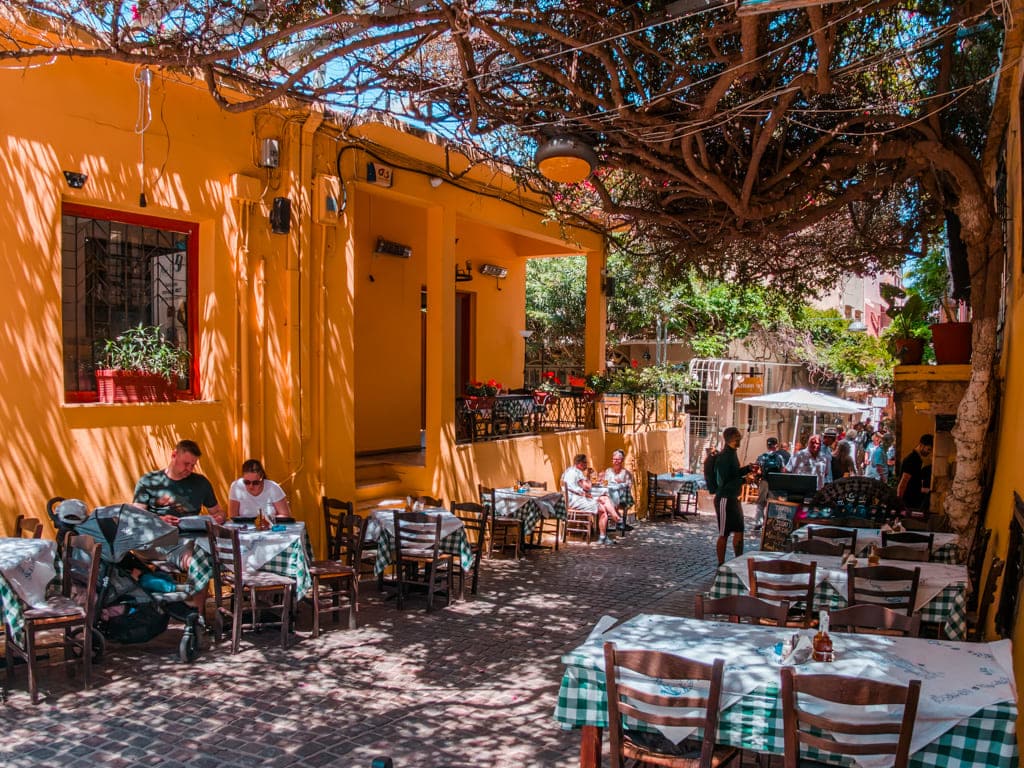
Despite it’s plentiful historic buildings, few tourists find their way into the borough of Splantzia. The hustle and bustle of the Venetian harbour area is not to be found here. Quaint cafés and taverns invite you to linger and soke in the vibe.
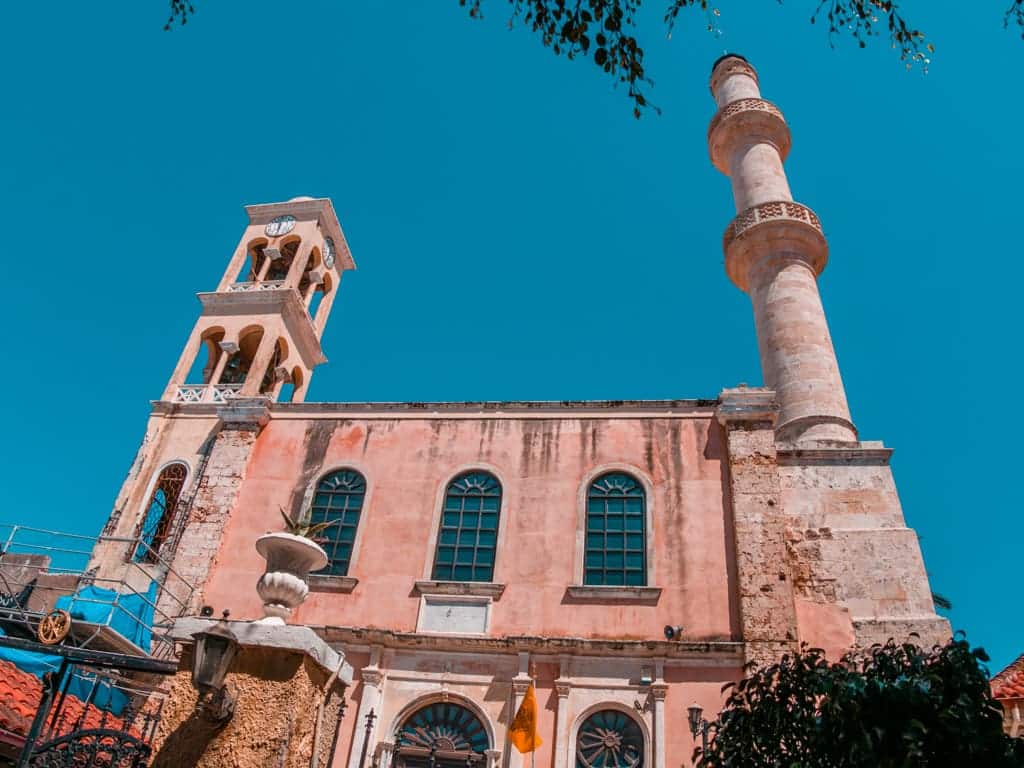
Agios Nikolaos Cathedral, with its bell tower and minaret, is located on Splantzia Square. This makes the church one of the most bizarre places of worship in all of Crete.
Heading north, we reach Sifaka Street. The area is known for its lively bars and cafés, as well as interesting shops (including knife shops). If you are staying in Chania and looking for nightlife, you should definitely stop here in the evening.
Chania – More Things To Do & Day Trips
Ancient sites and buildings play an important role here. Many sightseeing tours can be combined with hikes through the fascinating nature of the island of Crete.
Hiking Excursion to Samaria Gorge
Outdoor enthusiasts will find everything their hearts desire in south-western Crete. Explore the diverse flora and fauna on a hike! The trail leads you to one of the longest gorges in Europe, stretching from the White Mountains to the Sea. Experienced hikers in very good physical condition can drive to the main entrance at Xyloskalo and descend from a height of 1,200 metres. As the descent is steep, you should be sure-footed and attentive. It takes five to six hours to cross the entire gorge, which stretches over a length of 17 kilometres. At the end, you can take the ferry and bus back. This can take around two hours.
Visit Akrotiri Peninsula
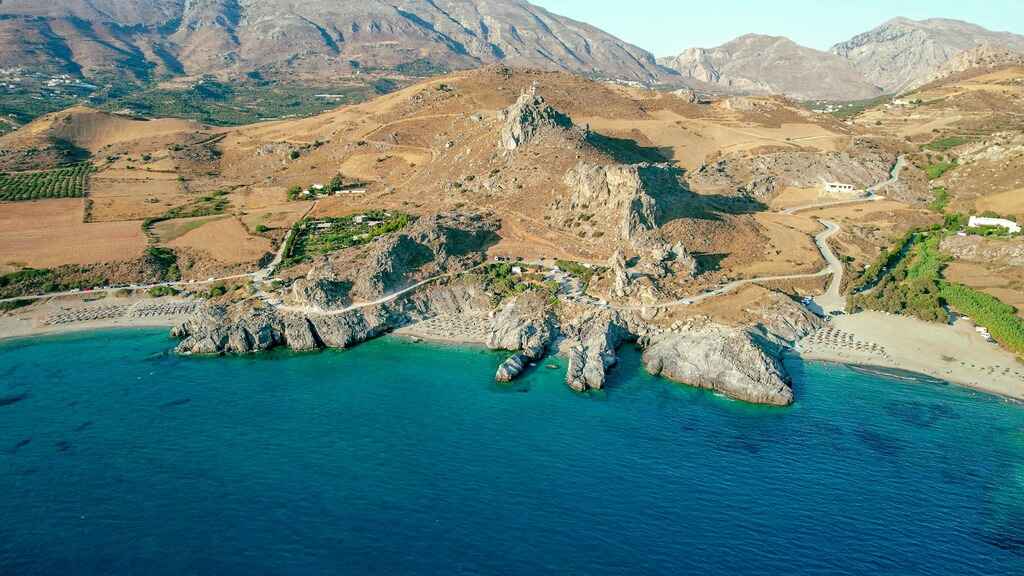
The Akrotiri Peninsula is located just a few kilometres northeast of Chania and is practically adjacent to the city. Not only is Chania Airport located on the this peninsula, the region is also home to many ancient monasteries and numerous dreamlike beaches.
The monasteries of Agia Triada and Gouverneto in the north of the peninsula are well worth visiting, just like the monastery dedicated to John the Baptist in the south. The most beautiful beaches are located around the village of Stavros (including Zorbas Beach) and near Marathi. The spectacular Seitan Limani Bay is also well worth a visit. The remote Katholiko Monastery is a draw for hiking enthusiasts.
Visit the Archaeological Museum
In an impressive exhibition of finds from the region, you can walk in the footsteps of the past from the Neolithic to the Roman period. These include ceramics and pottery as well as stone tools. Artistic characters reveal interesting information about the history of Crete. The Archaeological Museum is housed in a Venetian church. The Byzantine collection includes works with early Christian influences and pieces from the Ottoman period.
Explore the ancient site of Aptera
Adventurers and historians should venture to a rocky plateau about 15 kilometres from Chania. There you will find the Archaeological Site of Aptera, which was first mentioned in the 14th century BC.
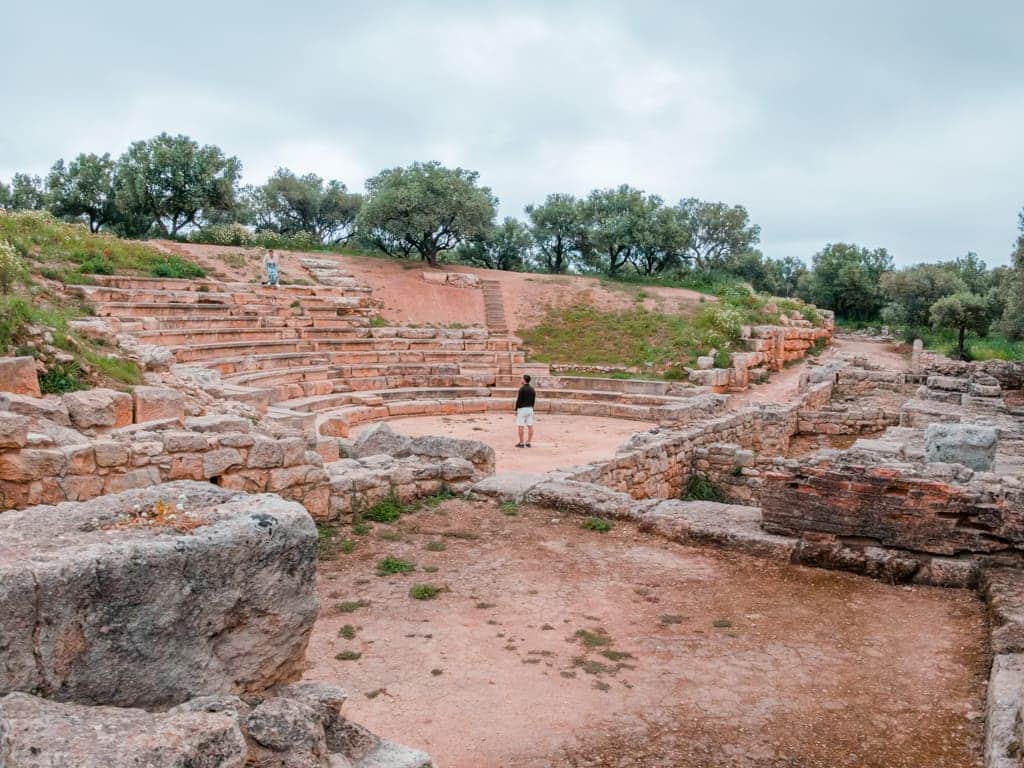
Once an important and wealthy place, it was eventually destroyed by an earthquake. However, there are still some older buildings or their remains to admire, such as a monastery or fortress walls, and the old theatre is also a real feast for the eyes. But don’t neglect the landscape, because the view of the White Mountains is just as fabulous.
Restaurants in Chania
I found some really great places to eat in Chania. As long as you stay away a bit from the harbour front, you can find many wonderful tavernas and restaurants serving up traditional greek and middle eastern food.
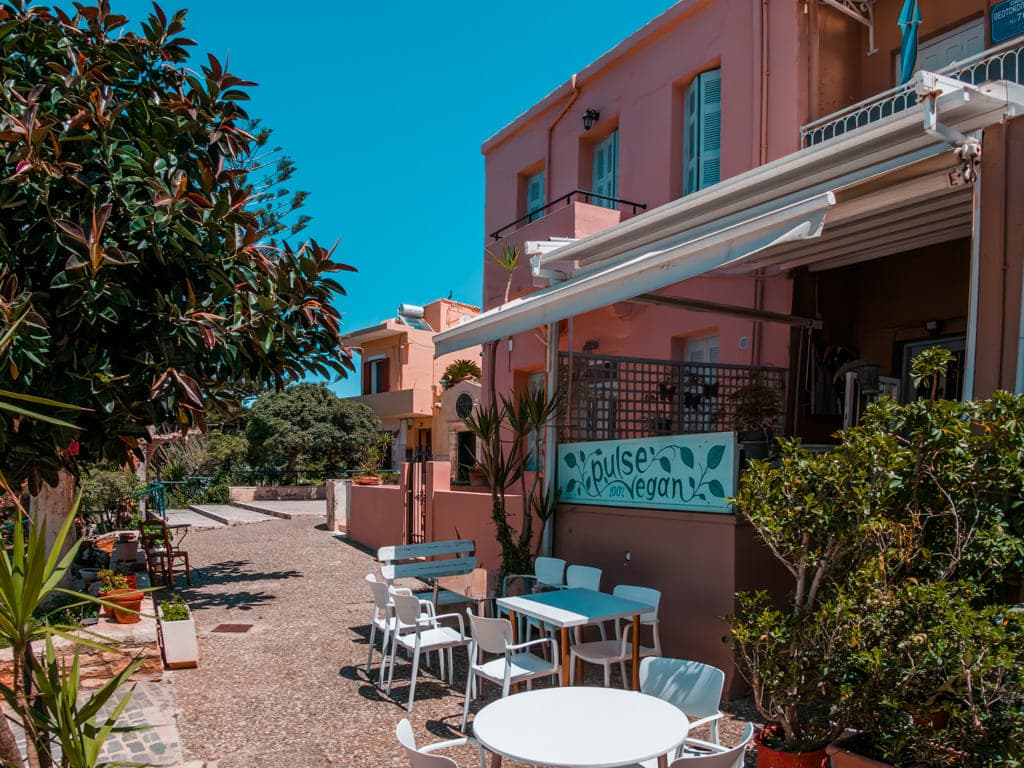
My favourite is Enetikon just outside the old town close to the sea; trust me the atmosphere is incredible. Other restaurants that come highly recommended are Pulse Vegan, The Well of the Turk and The Five Restaurant. For morning coffee, Grain Café Chania served me very well.
Renting a Car in Chania
You’re probably wondering if you can visit Chania, Crete, without a car. The answer is yes, you surely can! Just keep in mind that bus timetables can be a bit rigid, especially outside peak season, during the summer, there are regular buses bringing you to al the most popular spots.
That said, driving really is the best way to explore Crete and I recommend renting a car. Most roads are motorways and in good condition. With your own car, you can go anywhere and take the time to visit a hidden beach or stop for a photo along the way.

Rent a car! Greece is very safe for motorists, & you can drive across the entire island in less than 6 hours! Best of all, rental cars are very cheap (starting at €30) & easy to book by comparing rates across dealerships in Heraklion using DiscoverCars.
Compare Rental DealsFAQ
Is Chania (Crete) worth visiting?

Many people consider Chania to be the most beautiful city in Crete. This is mainly due to Chania’s bustling old town, centered around the Venetian harbor with its pastel-colored houses. Although the car-free city center is compact, there is plenty to discover. Chania is also a great starting point for exploring some of Crete’s most famous attractions and beaches nearby.
How many days in Chania?
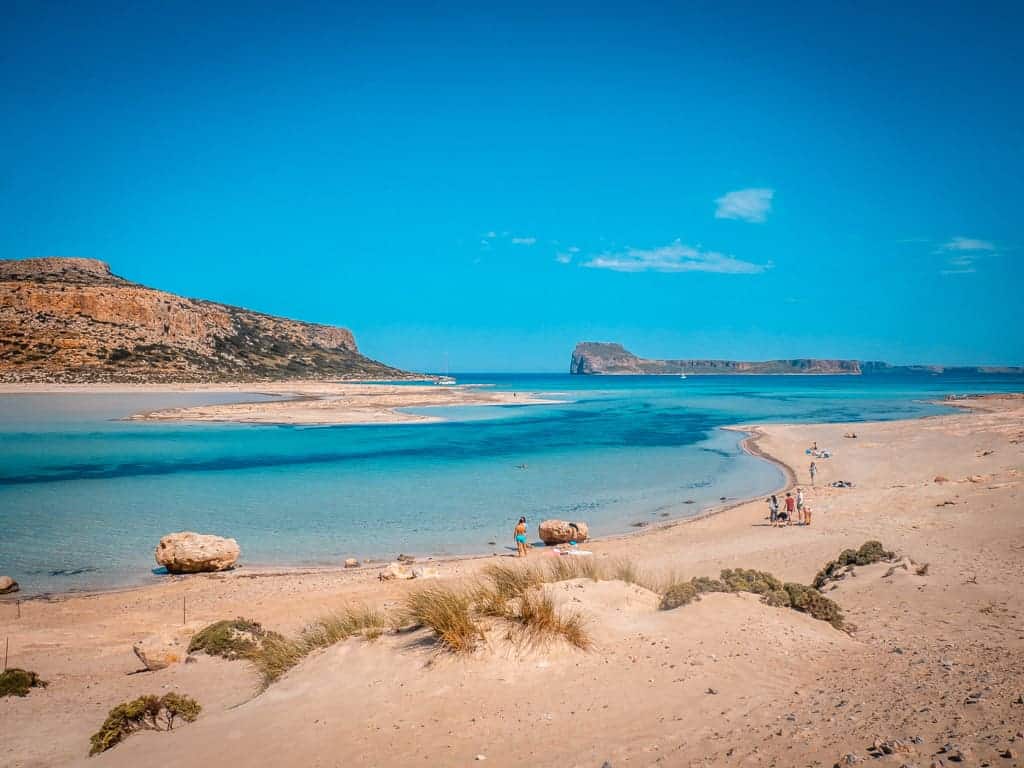
Three to five days is ideal for a visit to Chania (Crete). This allows you plenty of time to enjoy the Venetian charm of the Old Town, take a boat tour, and explore breath-taking beaches nearby like Marathi, Seitan Limania, Balos or Elafonisi.
2 Days: Focus on the essentials—the historic old town, the harbor, and a day trip to a nearby beach. 3 to 4 Days: The ideal length for a city break that leaves room for beach visits and a hike (e.g., in the Samaria Gorge or Imbros Gorge).
Recommended

Hi. I’m Dirk, adventure traveller, originally from Germany. In 2020, Island Hopper Crete, started as a Greece travel blog. In 2022, I founded a small travel agency in the Balkans to complement my recommendations with some of the best experiences that I found, organized by local partners and friends.
 English
  Français
  Nederlands
  Español
  Polski
  Svenska
  עִבְרִית