
How to Visit the Palace of Knossos on Crete
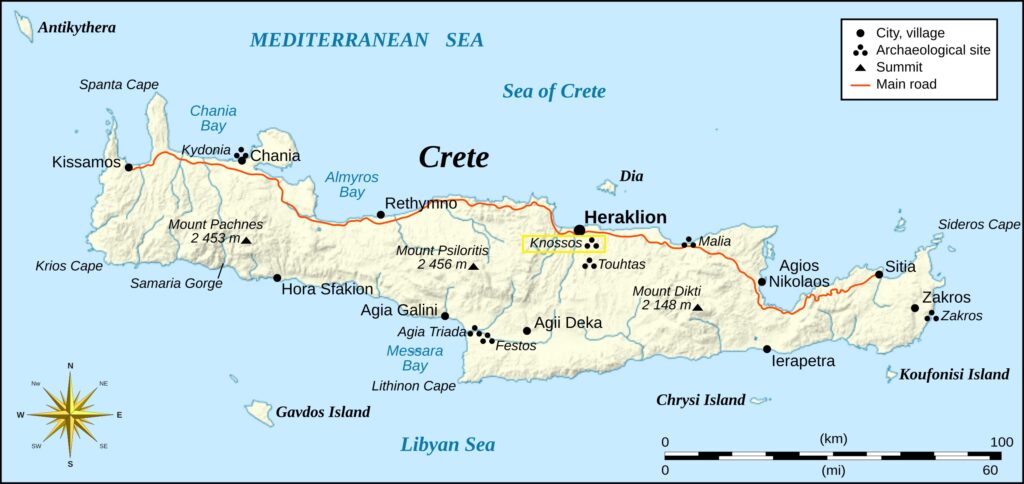
The Palace of Knossos in Crete is one of the most visited attractions in Greece. Located near the port city of Heraklion, the excavated palace complex is one of the few places in the world where history and mythology merge.
By Dirk Pohlers, Greece traveller from Germany. I visit every place I write about & share real tips, photos & advice from my trips.
I will tell you why the magnificent Palace of Knossos is rightly considered a must-visit attraction on any trip to Crete and what you need to know about your trip to this legendary archaeological site.
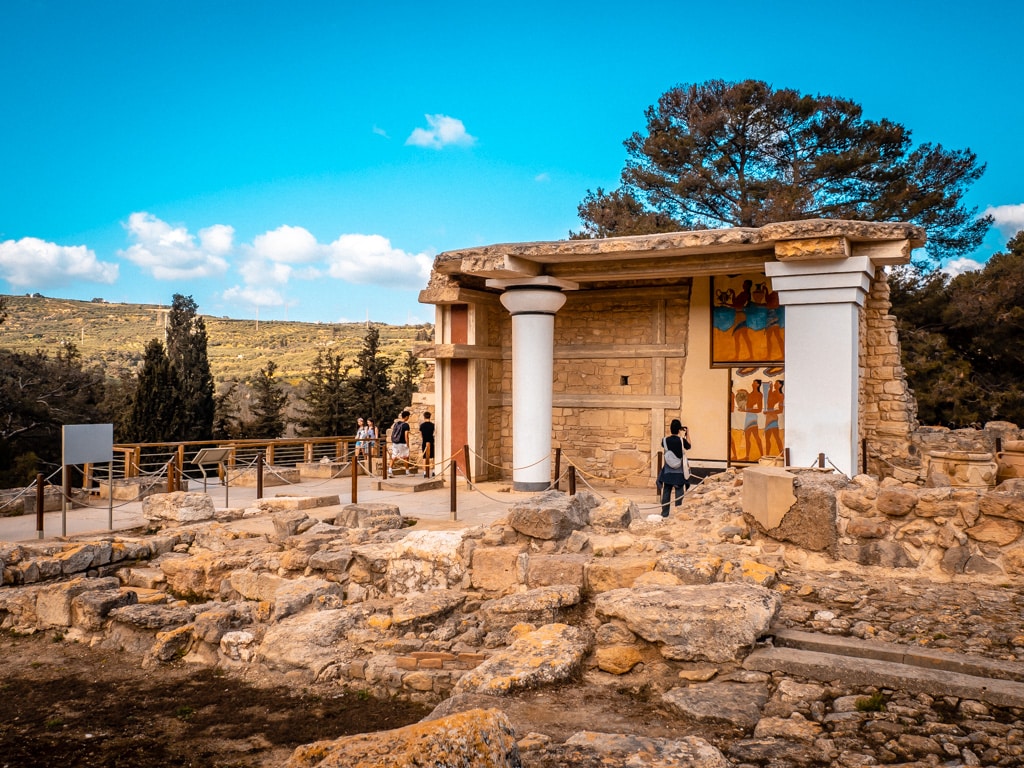
Table of Contents
A must-see for visitors to Crete: the magnificent Palace of Knossos
Especially during peak season, the Palace of Knossos in Crete is full of tourists. Nevertheless, individual travellers should not be put off, because Knossos is well worth a visit! The unconventional restoration work carried out by its discoverer, Arthur Evans, brings the history of Minoan culture to life.
Quick overview:
- How long do I need for Knossos? How long should I plan to spend at the Palace of Knossos? Allow 1.5 to 2 hours to explore the site. Allow more time if you plan to take a guided tour or linger in specific areas such as the Throne Room or the frescoes.
- How much does it cost to visit Knossos? Admission to the Palace of Knossos is €20 for adults and €10 for concessions. The archaeological site is open daily, with exact times varying depending on the season: in summer from 8:00 a.m. to 8:00 p.m. (or until sunset) and in winter from 8:00 a.m. to 5:00 p.m. There is free parking directly at the main entrance. See official website: https://hhticket.gr/
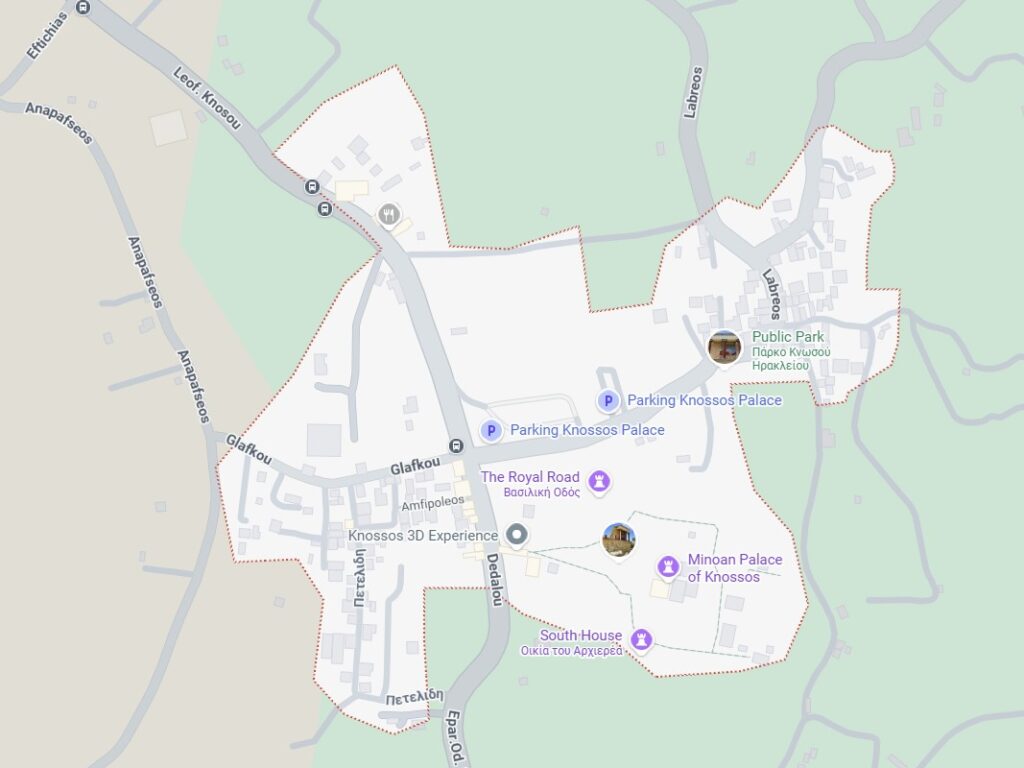
- How to get to Knossos? The most popular option by puclic transport is bus number 2, which departs from the main bus terminal near Heraklion Port and goes directly to Knossos. It runs every 15 to 20 minutes, with a journey time of about 20 to 30 minutes, depending on traffic. If you have a rental car, the site is 15 minutes (6 km) drive away from the centre of Heraklion. Coming from Chania, Rethymno or Agios Nikolaos, you can reach Knossos by car via the E65 motorway (Crete Highway).
Why is the the Palace of Knossos so special?
Knossos is the second most visited archaeological site in Greece after the Acropolis in Athens. Historians still argue about many details of the palatial complex, and many myths surround Knossos. For example, the Minotaur, half man, half bull, is said to have once lived here in the labyrinthine corridors.
The heart of the Palace of Knossos, which is said to have had more than a thousand rooms and stretched over five floors, is the royal residence. The ‘throne room’ with its alabaster king’s throne is a real highlight with its red walls and griffin frescoes.
5 Highlights & Secrets of the Palace of Knossos
- The secret of the red paint: The characteristic red walls of Knossos, often referred to as ‘Minoan Red’, are a mix of natural pigments and volcanic ash unique to Crete.
- False doors: Archaeologists have discovered ‘false doors’ in the palace, which do not open to other rooms, believed to act as symbolic portals to the spirit world or for communication with deities.
- The mystery of the ‘Throne Room’: The Throne Room at Knossos contains a stone chair (believed to be the oldest throne in Europe). Some experts argue this room might not have belonged to a king but was used to seat a priestess, reflecting the matriarchal structure of Minoan society.
- Advanced drainage system: Knossos Palace had a highly sophisticated plumbing system, including flushing toilets and stone aqueducts. What’s truly remarkable is the use of terracotta pipes for hot and cold water supply.
- The lack of fortifications: Unlike most ancient civilizations, the palace at Knossos lacked defensive walls or fortifications. This indicates the Minoans enjoyed a rather peaceful period or held naval dominance in the Aegean region.
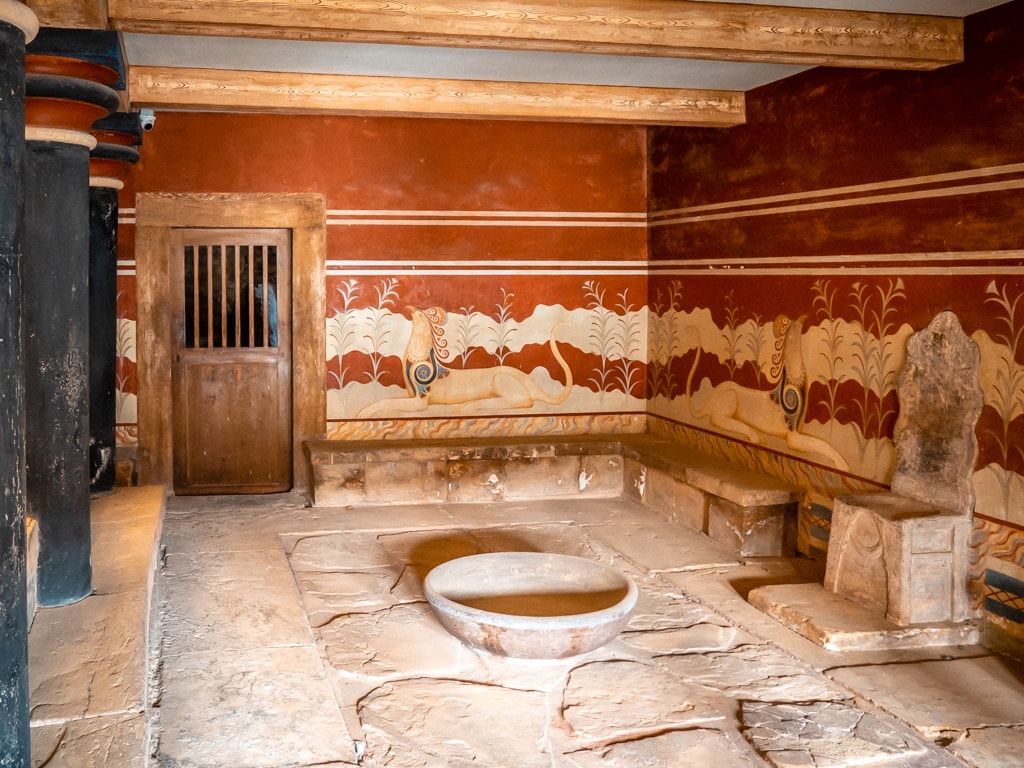
The architecture of the palace complex is considered unique: Many of the halls and courtyards are connected by winding corridors and staircases – it is mainly because of this labyrinthine structure that the legend of the Minotaur is so closely associated with Knossos.
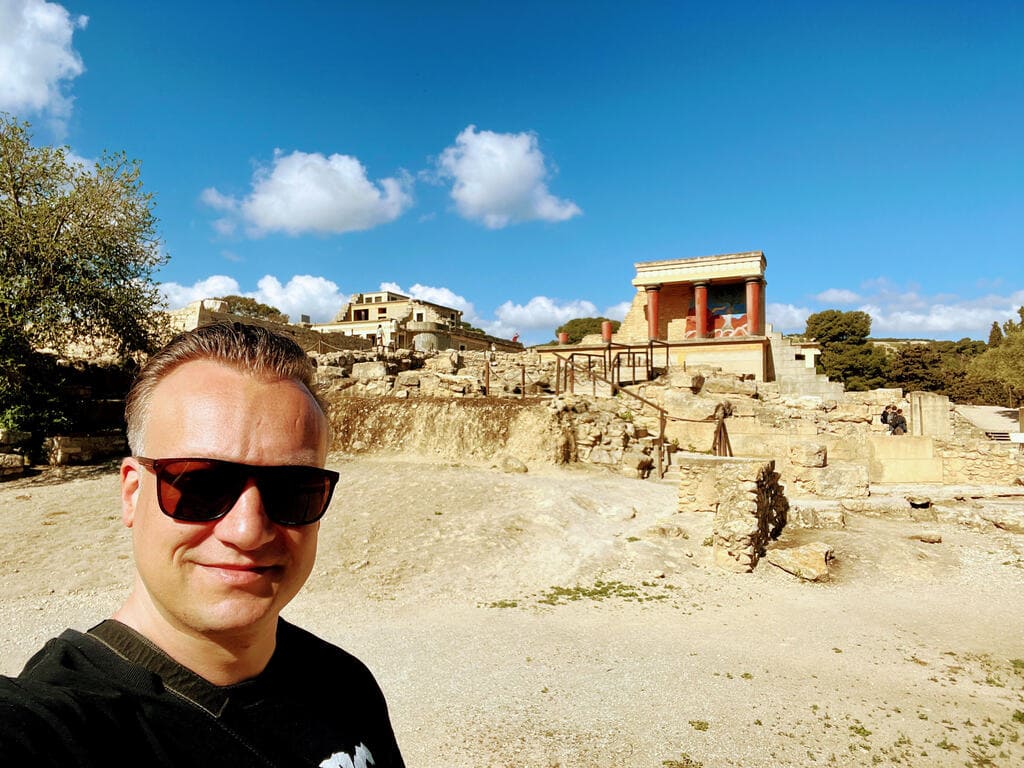
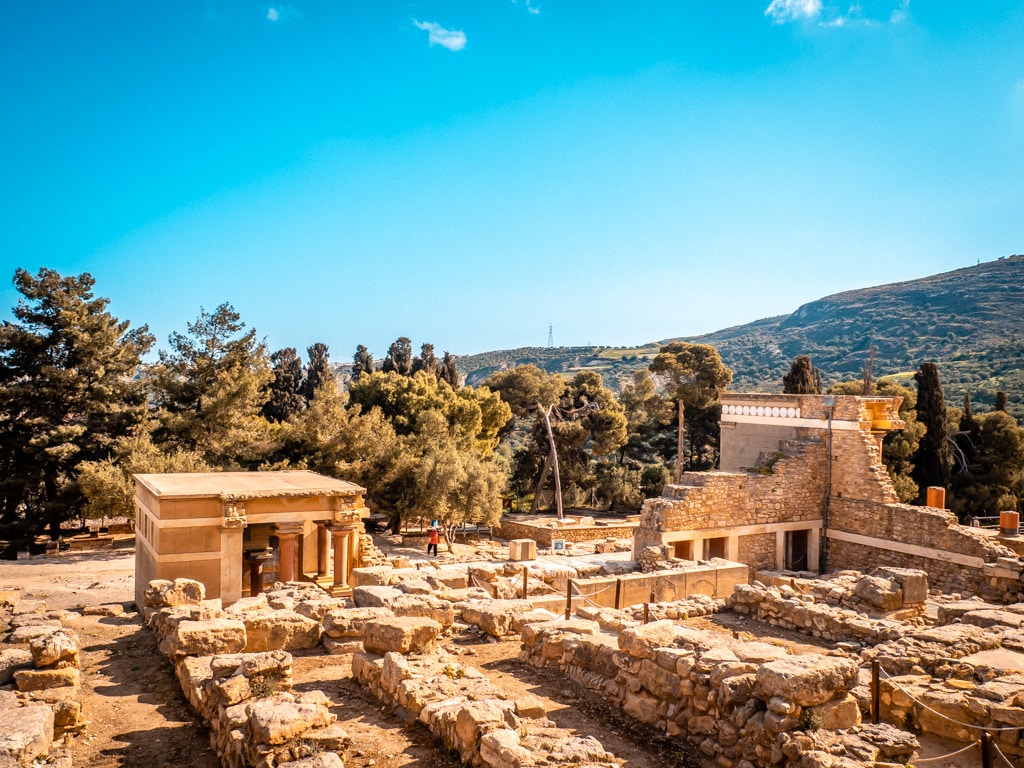
Tip: The perfect selfie spot is located on the north portico: the striking red columns with the bull fresco behind them are THE motif of the Palace of Knossos.
Arthur Evans -The excavator of the Palace
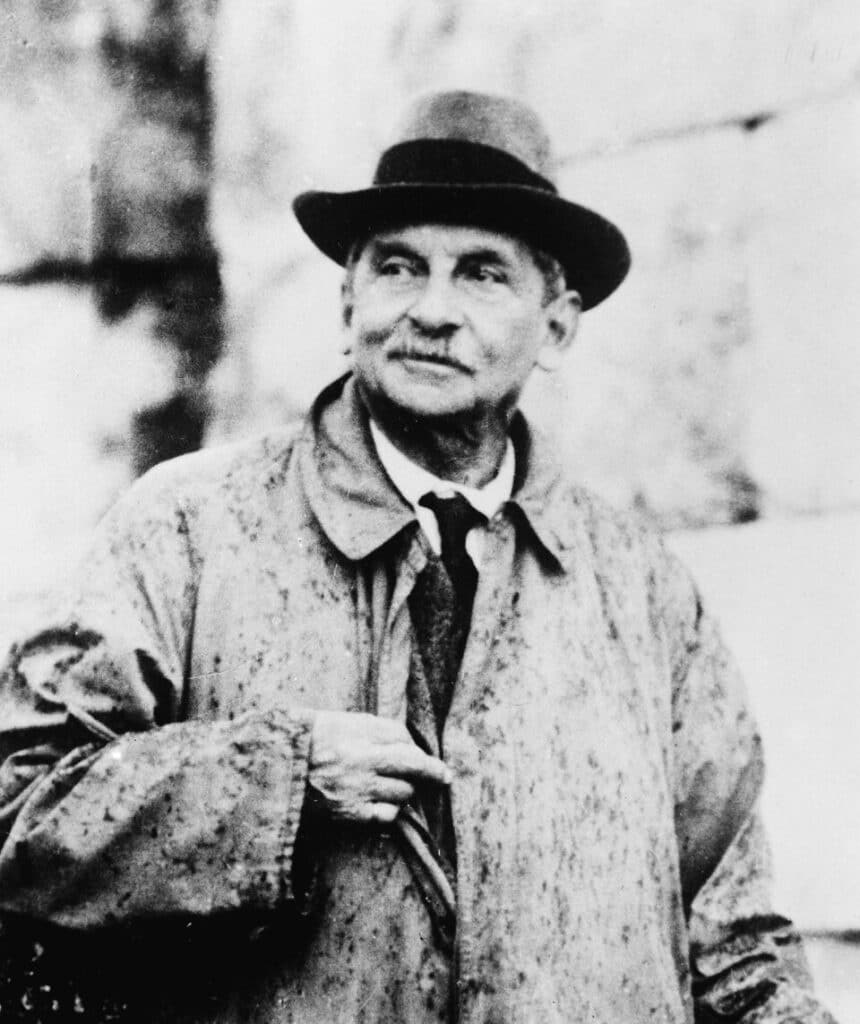
It was not until the beginning of the 20th century that excavations by British archaeologist Arthur Evans brought the remains of the once magnificent Palace of Knossos back to the surface. As significant as his discoveries were, they were also controversial: since Evans reconstructed the excavations according to his own interpretations, the results are not considered scientifically reliable. Ultimately, however, it is thanks to Evans that Minoan culture has become the subject of research and can now be experienced by future generations.
Palace of Knossos: Tips for planning your trip
All you need to know about getting there, opening hours & admission:
As the Palace of Knossos is one of Greece’s most popular attractions and is particularly busy during the high season, you should plan your visit in advance.
When is the best time to visit the Palace of Knossos?
When to visit Knossos? The best time to visit Knossos Palace is in spring (March-May) or autumn (September-October). In the summer months, it naturally gets very hot on the grounds, which offer little shade. If you are travelling during peak season, plan your visit for early in the morning (before 10 a.m.) or late in the afternoon (after 4 p.m.) to avoid the crowds.
Opening Hours
Summer (April to September): open daily 8 am – 8 pm
Autumn (September to October):
- From 1 September to 15 September 8 am – 7.30 pm
- From 16 September to 30 September 8 am to 7 pm
- From 1 October to 15 October 8 am to 6.30 pm
- From 16 October to 31 October 8 am to 6 pm
Until about 10 in the morning, you can expect the site to be relatively quiet. After that, countless bus tourists flock to the grounds. Around 1 pm, the rush of visitors usually reaches its peak.
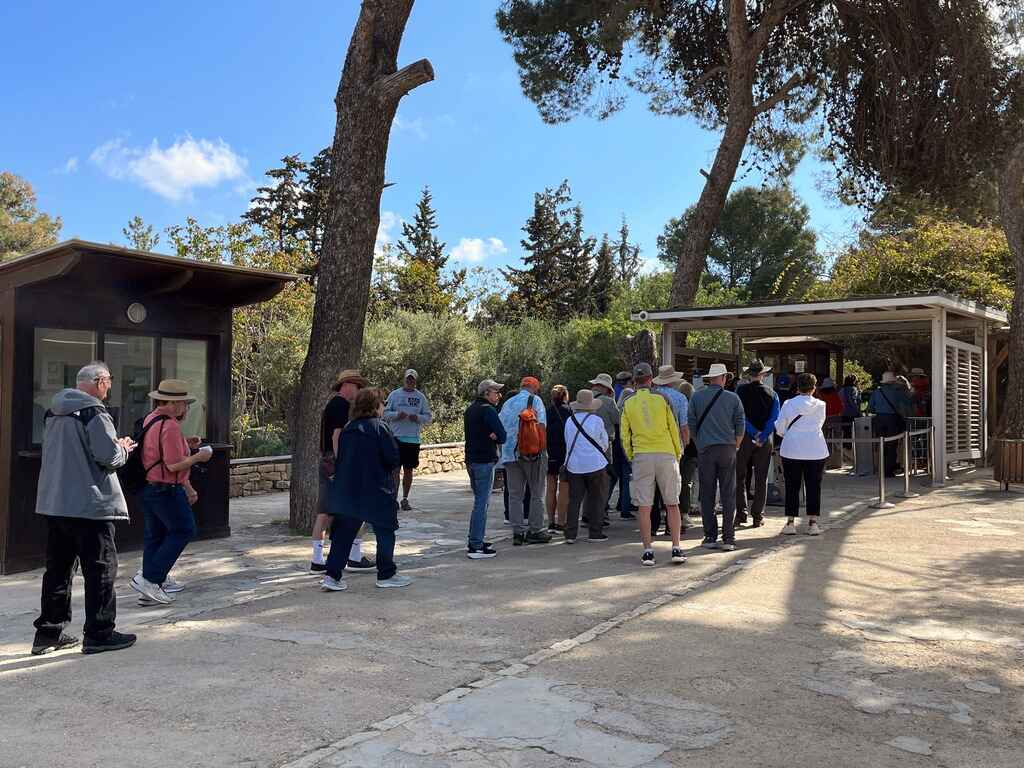
If you are seeking peace and quiet I recommend visiting Knossos before 10am or after 4 pm. From 6 pm onwards, you will have large parts of the site completely to yourself. Those hours are better for photography, too. The last admission is about 30 minutes before closing time.
How do I get to the Palace of Knossos?
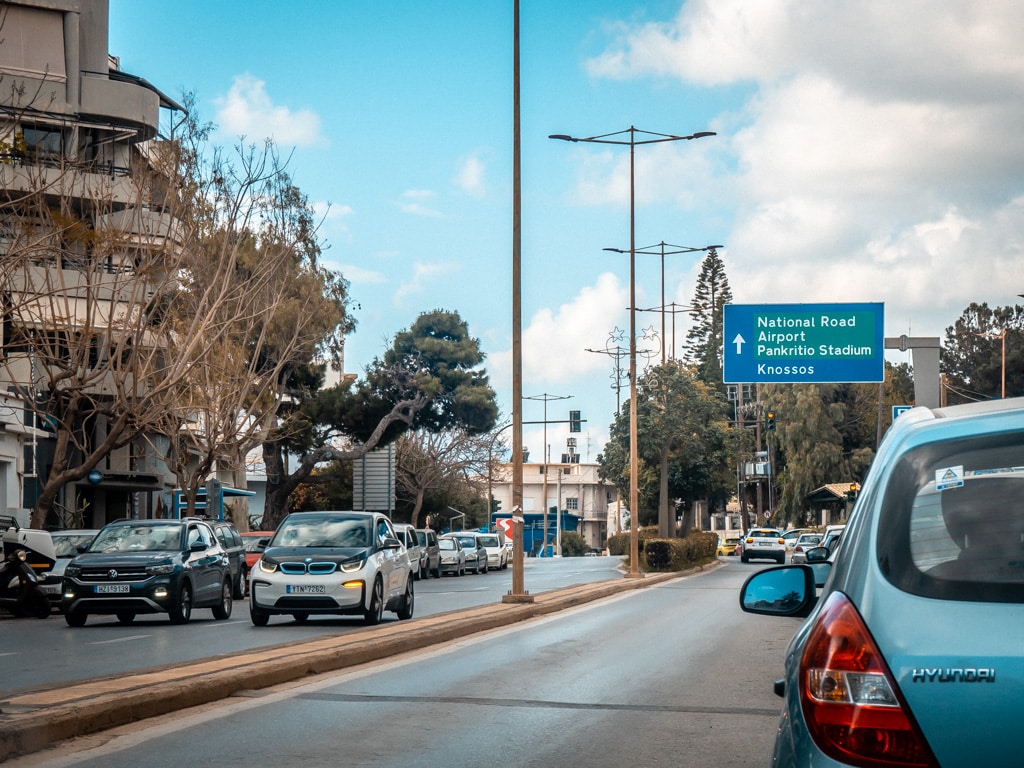
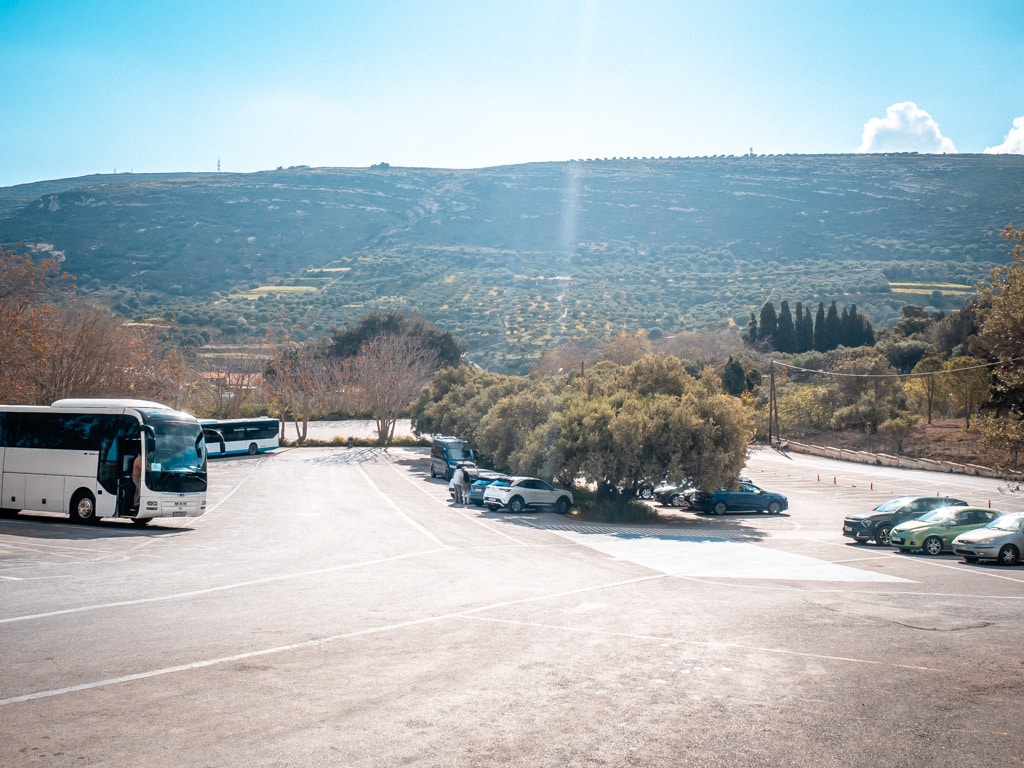
The Palace of Knossos is located only six kilometres from Heraklion, the largest city in Crete, and is easily accessible by car, taxi or bus. There is a large free car park directly in front of the site.
How much does it cost to visit the Palace of Knossos?
Regular admission is €20, but it’s best to check on site to see if you are eligible for a discount. When booking your ticket, you will have to select a time slot for your entry (1hr window).
Tip: Admission is free for visitors with an EU passport who are under 25 years of age and for everyone under the age of 18 (Non EU as well).
- Link to the official Ticket Booking website
- Link to the Digital Guide to the Palace by the Greek Ministry of Culture
How long does it take to visit the Palace of Knossos?
Guided tours last about 90 minutes. However, if you want to explore the site on your own, you should plan on spending 2-3 hours there. This will allow you to soak up the ambience of this special place.
Do I need a guide for the Palace of Knossos?
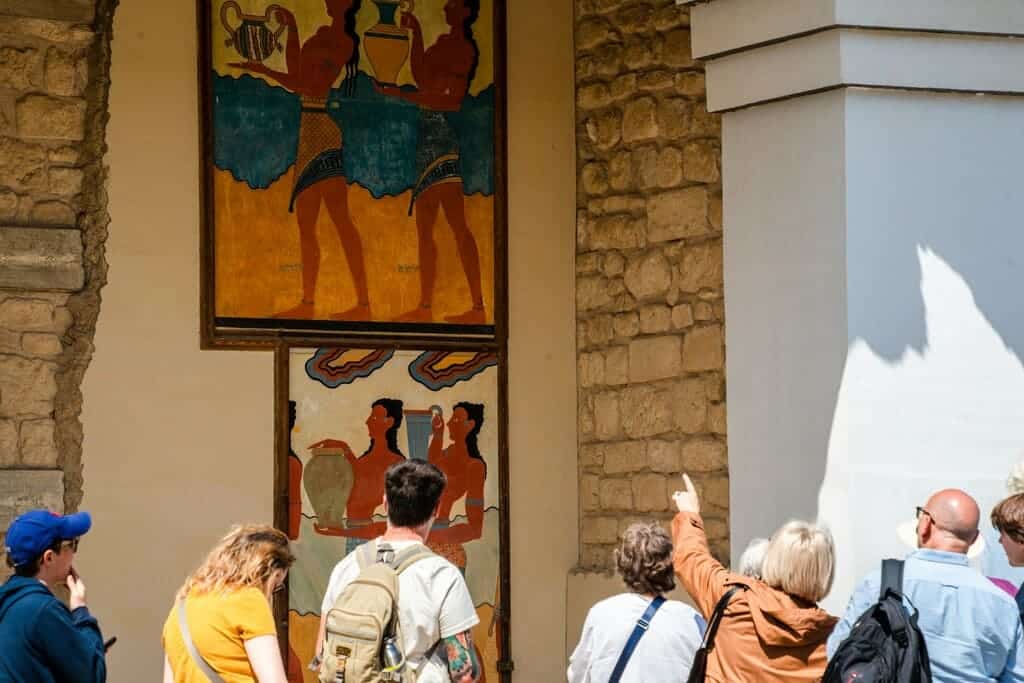
If you want to see all the important spots in the Palace of Knossos and understand their secrets, a professional guide is recommended. You can join a guided tour spontaneously on site or pre-book a spot including ticket here:
Accommodation & Hotels nearby
The Palace of Knossos is located within easy reach of most of the hotels in Heraklion. Depending on the location, travel time varies 10-20 minutes.
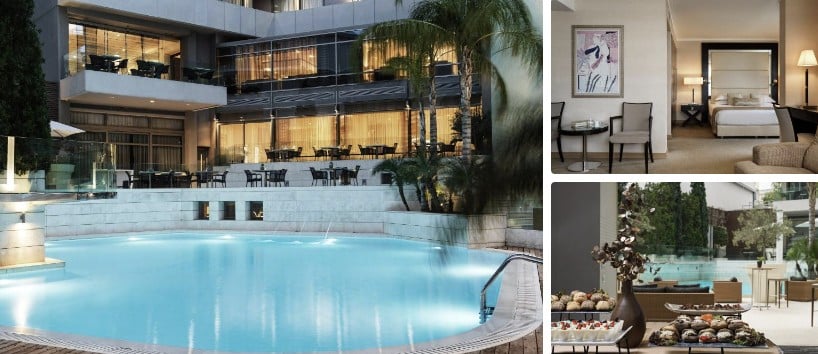
If your main focus is visiting the palace and you wish to stay a bit closer to the site, I recommend Galaxy Iraklio Hotel located in the southern part of Heraklion half way between city centre and Knossos.
The Legend of the Labyrinth of the Minotaur
Due to its winding architecture, the Palace of Knossos is considered the origin of the legend of the labyrinth of the Minotaur. According to the myth, King Minos asked the god Poseidon for a sacrificial animal in order to ingratiate himself with Zeus and thus secure the throne of Crete. However, instead of sacrificing the bull, Minos kept the beautiful animal in his herd, incurring the wrath of the father of the gods.
As punishment, Zeus afflicted Minos’ wife Pasiphae with a desire for the bull, with which she begot a monster that was half man, half bull – the Minotaur. King Minos had an underground labyrinth built and locked the unwelcome creature inside.
The Palace of Knossos – History
The rise and fall of Minoan culture on Crete
Entering the palace complex of Knossos, you find yourself in a place steeped in history: the first settlers, who probably came from Asia Minor, settled here around 9000 years ago. From 2600 BC onwards, the Minoan civilisation, the first advanced civilisation in Europe, evolved on Crete. It produced impressive buildings on the island, such as the palaces of Phaistos, Malia and Kato Zakros. But the most magnificent was the Palace of Knossos.
After a devastating earthquake around 1700 BC, which destroyed all the Minoan palaces, the buildings were rebuilt on the ruins, more magnificent than before. This turning point is considered in Crete to mark the transition from the older to the younger palace period.
However, when the Greeks from the mainland landed in Crete and brought the island under their rule, the palaces fell into disrepair and Minoan culture disappeared over the centuries.
Excursions & Things To Do around the Palace of Knossos
The Palace of Knossos is considered the most popular touristic destination in central Crete. If you visit the site early in the morning, you will have enough time to explore other highlights in the area.
Hiking Mount Giouchtas
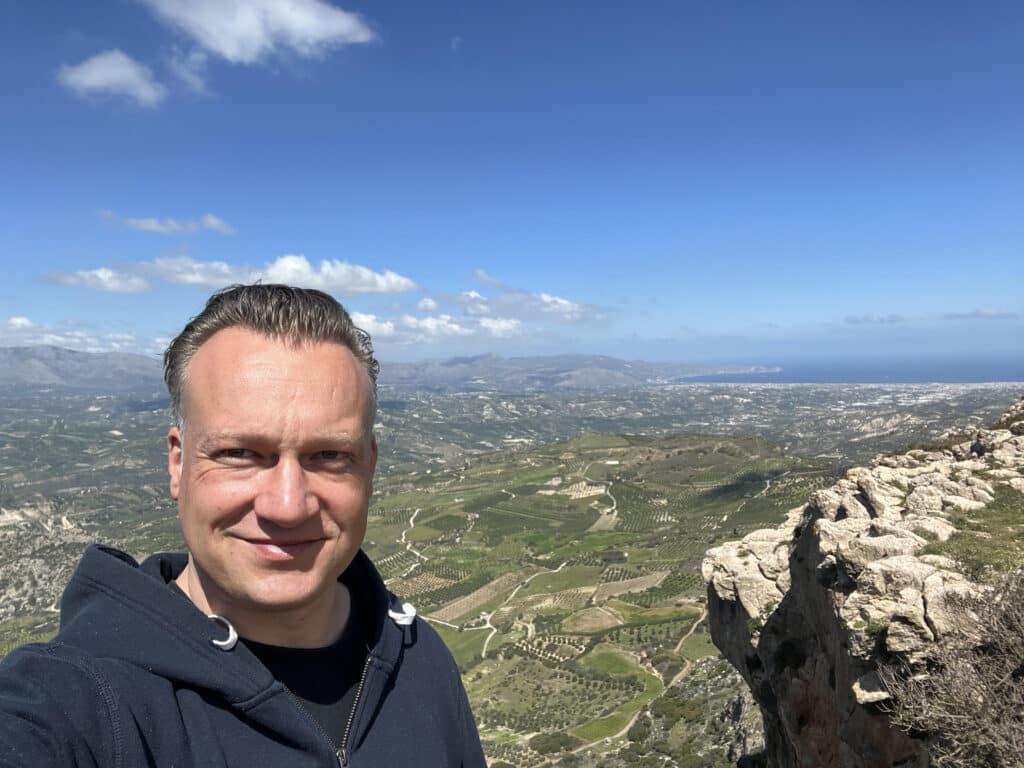
The Palace of Knossos is not the only highlight in the north of Crete. Don’t miss the climb up Mount Giouchtas (also called Juchtas) with its white church, which offers a fantastic panoramic view of the north coast. I drove to the foot of the mountain, then up another 2km and hiked the last 1km up to the top.
- Location: Hiking Trail to Juchtas Mountain
Depending on where you have booked your hotel in Crete and how far you have to travel to the Heraklion region, you may still have time to end the day in the village of Archanes.
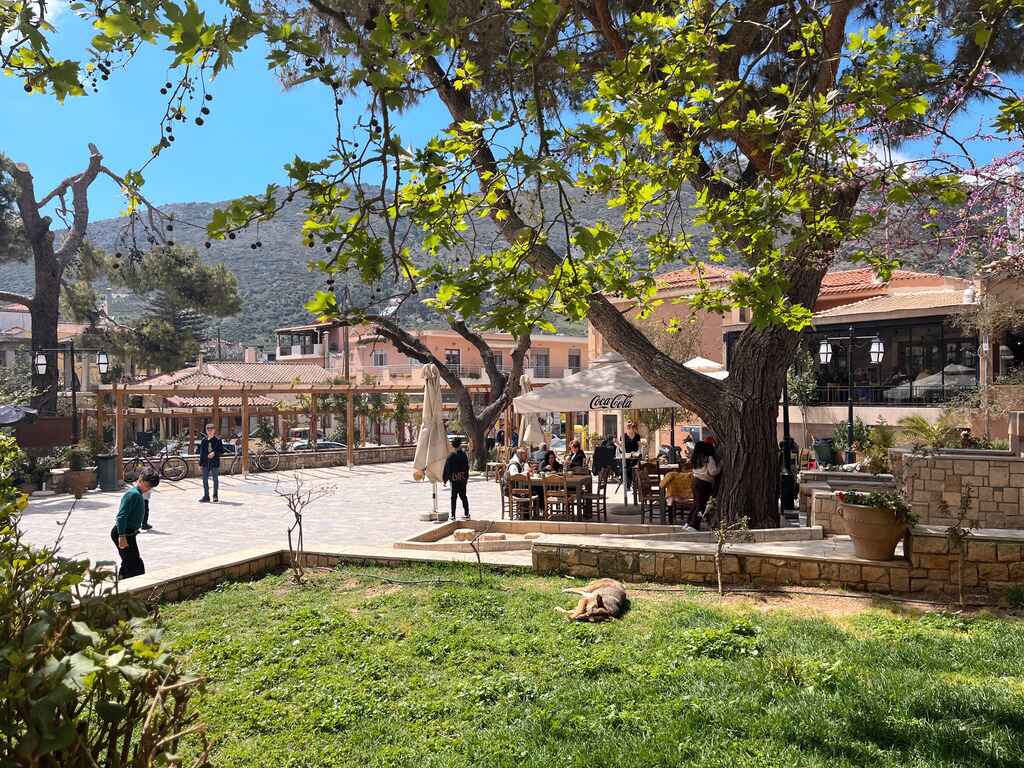
Wine lovers in particular should pay a visit to this idyllic little village with its picturesque village square and stop off at one of the tavernas or cafés to experience Greek conviviality at first hand.
Heraklion Archaeological Museum
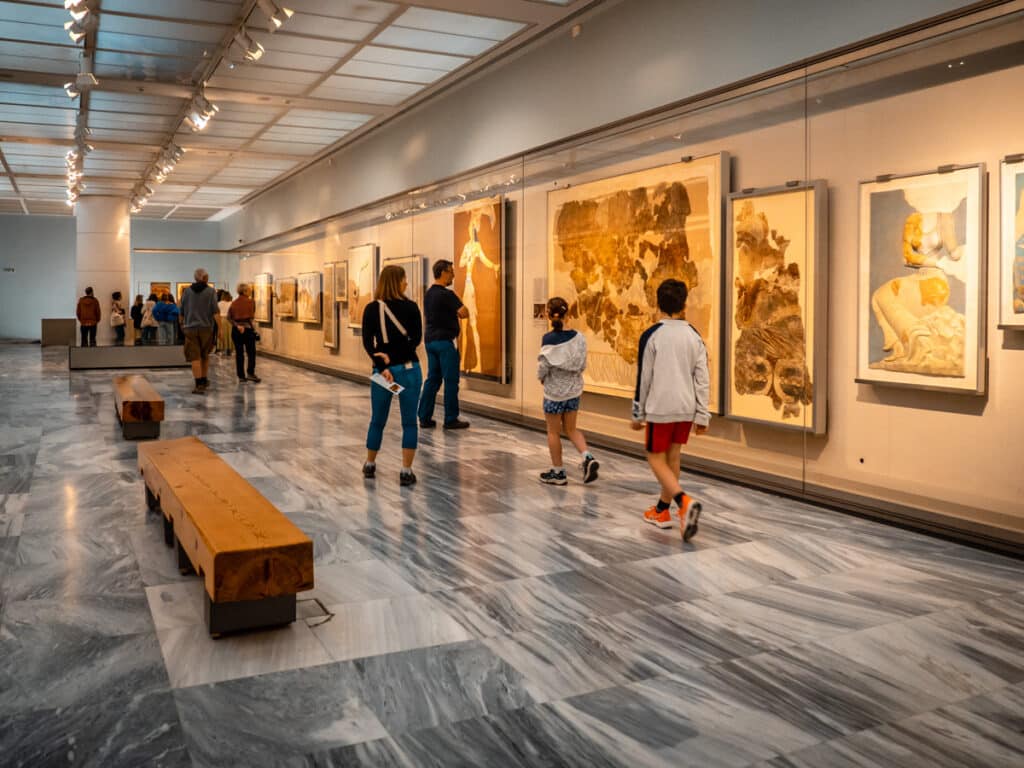
Heraklion is only a few minutes away from Knossos, a trip to Knossos can easily be combined with a relaxing stroll through the harbour town. In the Archaeological Museum (admission: €20), you will find many original exhibits from the Palace of Knossos. If you want to gain a better understanding of Minoan culture and its special features, this is the place to be.
Did you know? Not only are the beaches of Crete breathtaking, but hiking holidays in Crete are also perfect: be inspired by the most beautiful gorges in Crete – there are over 300 on the island!
Recommended

Hi. I’m Dirk, adventure traveller, originally from Germany. In 2020, Island Hopper Crete, started as a Greece travel blog. In 2022, I founded a small travel agency in the Balkans to complement my recommendations with some of the best experiences that I found, organized by local partners and friends.
 English
  Français
  Nederlands
  Español
  Polski
  Svenska
  עִבְרִית