
What is the Best time to Travel to Crete?
What is the best time to travel to Crete? The best time to visit Crete is from May to October, with the warmest months for beach holidays being June to September (water temperatures up to 25 degree Celsius). For active holidaymakers, hikers and culture enthusiasts, the milder months of April to May (spring) and October to November (autumn) are ideal, as it is less crowded.
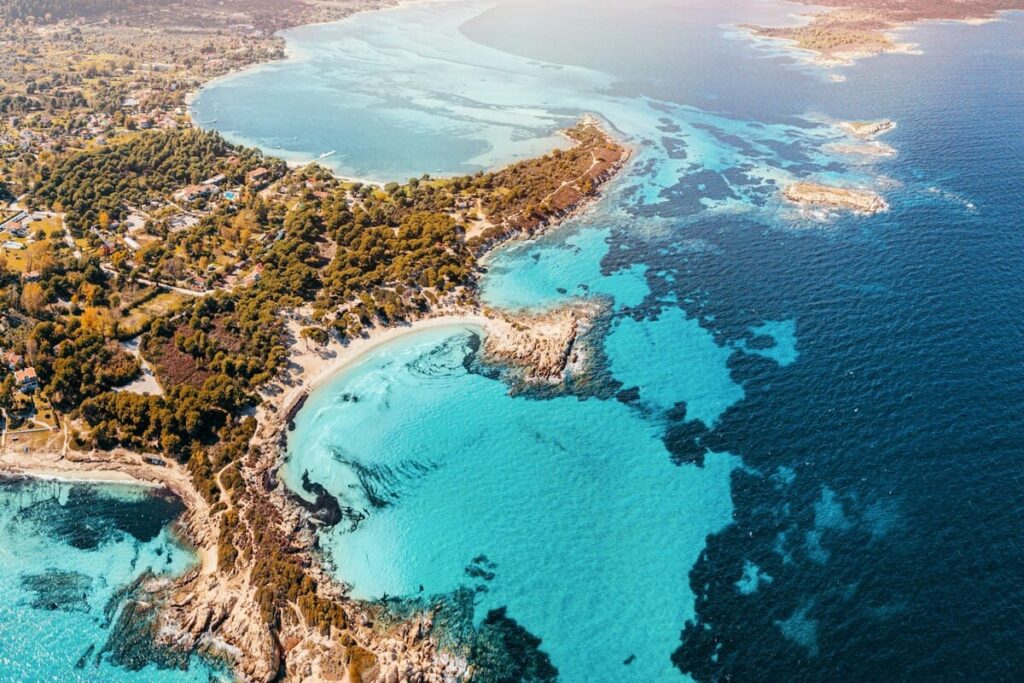
Crete is the perfect holiday destination for almost everyone. The Greek island in the eastern Mediterranean offers not only Caribbean-style sandy beaches and plenty of sunshine, but also adventurous gorges, towering peaks, ancient towns and picturesque villages. And when is the best time to visit? A holiday in Crete is most enjoyable in the early and latet season.
Key facts at a glance:

By Dirk Pohlers, Greek Islands traveller from Germany. I visit every place I write about & share real tips, photos, & advice from my trips in this Crete travel blog.
- Beach holidays: June – October, with very warm water and plenty of sunshine.
- Active/hiking holidays: April – May (nature in bloom) and October (pleasant temperatures).
- Sightseeing & culture: March – May & October – November (less heat, hardly any crowds).
Peak season: July & August are the hottest and busiest months. The peak season in Crete generally runs from around mid-June to mid-September. During this period, hotels and flights tend to be significantly more expensive. It can get quite crowded during this time, particularly at the popular beaches and holiday resorts, as well as around the top attractions.
Winter (November – March): Milder but rainier; ideal for peace and quiet, although many tourist facilities are closed.
Tip: If you want to enjoy nature and spring in Crete, April/May is the time to go. If you prefer a warm late-summer holiday, you should choose September or early October.
Table of Contents
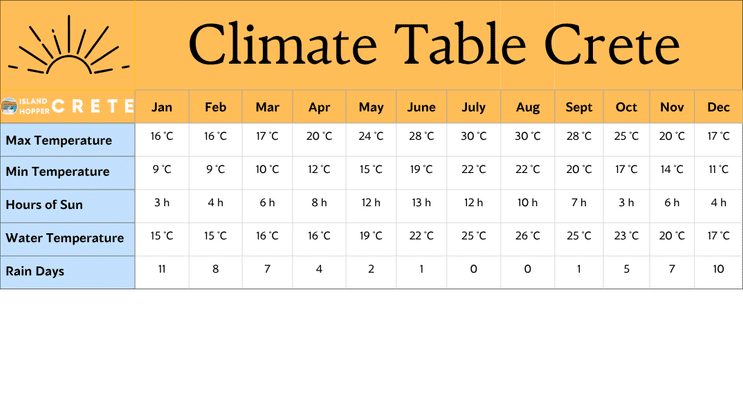
Climate Table Crete
Crete, the largest Greek island, has a Mediterranean climate, with mild, rainy winters and hot, sunny summers. July is hottest (avg. 22-32 °C), while January is coolest (avg. 7-14 °C). Coastal areas are warmer than the mountainous interior, with most rain falling between November and March.
What’s the weather like in Crete?
Weather in Crete in Spring
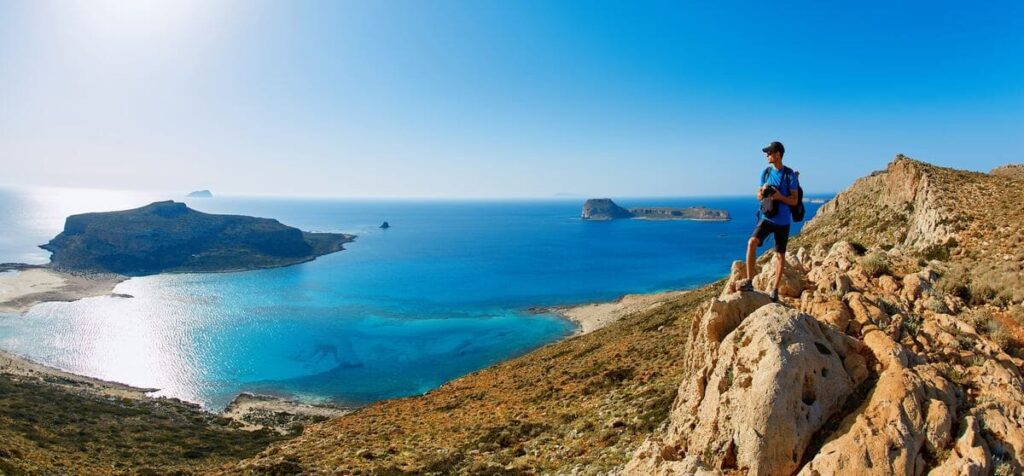
Spring in Crete is short and usually begins in mid-March. The number of rainy days and the amount of rainfall now drop noticeably, whilst wildflowers bloom in every colour and a carpet of lush green covers the mountain slopes. The sun is already strong and the mercury is slowly creeping towards 20°C. By April at the latest, this mark is regularly exceeded. From now on, charter flights also arrive on the island. Hikers, mountain bikers and culture lovers in particular appreciate spring, when the air is still clear and not too hot – and snow-capped mountain peaks glisten in the distance.
From mid-May, summer is already knocking at the door, and maximum temperatures of around 25°C are the norm. Rain quickly becomes a rarity. The green and colourful hues of the grasses and flowers fade, transforming into dry gold and beige. Although many beach bars are still closed, with a bit of luck the Mediterranean is already just under 20°C. So you can soak up the sun in complete relaxation on the island’s magnificent, mostly still deserted beaches.
Weather in Crete in summer
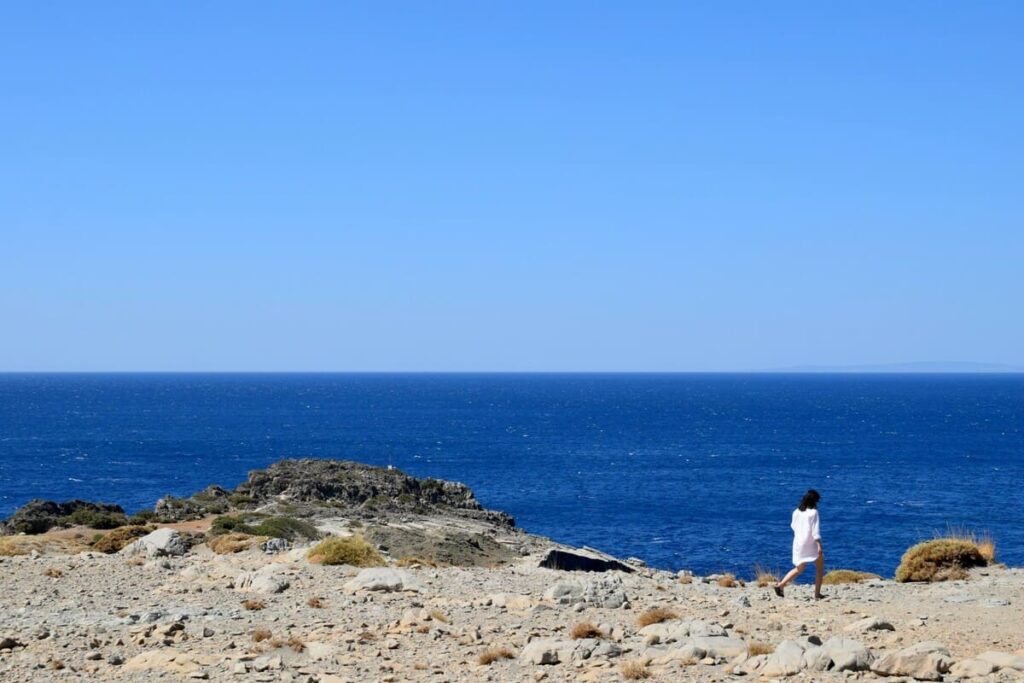
In mid-June, the summer holidays begin in Crete and it gets busier, more expensive – and warmer! Temperatures rise to between 27°C and 30°C, whilst the sea warms to 22°C. By July at the latest, the weather becomes hot, extremely dry and very consistent. Occasionally, a heat storm brings rain in the mountains, but otherwise there is no rainfall. The months of July and August are among the hottest of the whole year. On the south coast, temperatures above 35°C are now not uncommon. During the peak season, life revolves mainly around the beaches with their wide range of water sports.
Weather in Crete in Autumn
Crete in autumn: From September, temperatures gradually drop back below the 30°C mark. This marks the start of the perfect time to travel for anyone wishing to enjoy a beach holiday in peace and at more affordable prices. With water temperatures of 23°C, you can still set sail on an air mattress without a care in the world even at the end of September, and even in mid-October the air warms up to 25°C.
From November, it’s all over. Now the last hotels and restaurants close for the winter break. And rightly so, as it quickly becomes rainy and uncomfortably cold. Although temperatures can reach 17°C on fine December or January days, there’s no guarantee of good weather.
When to visit Crete – by season
Crete in peak season
Crete offers more than 300 days of sunshine a year, and the peak season on this beautiful Mediterranean island runs from late June to September. With over ten hours of sunshine a day, temperatures around 30°C, virtually no rain and water temperatures of at least 20°C, the conditions are ideal for an unforgettable summer holiday. Generally speaking, during this period, the east of the island is warmer and drier than the western regions of Crete.
Crete in the shoulder season
If you wish to enjoy Crete’s breathtaking landscapes and the beautiful coastal scenery of this Mediterranean island at your leisure, you should travel in spring or autumn. This is because, particularly between April and the end of May, as well as from October to mid-November, temperatures between 20°C and 25°C, only occasional rainfall and over nine hours of sunshine a day ensure ideal travel conditions. Whether for swimming, cycling or hiking – now you can enjoy Crete to the full.
When is the best time to visit Crete – By activity
The best time to visit Crete is in spring and autumn. Particularly between April and June, as well as in October and November, you can expect over eight hours of sunshine a day and pleasant temperatures ranging from 13 °C to 30 °C, with very few showers. This means that during this time of year in Crete, you can enjoy both swimming and wonderful hiking or cycling.
| Activity | Best Time | |
| Beach Holiday | June – October | Water temperatures are already reaching 20 °C in May |
| Road Trip | May–June & September–October | Swimming is possible – not too hot – less crowded |
| Hiking | April – May & October | Pleasant temperatures – nature in full bloom in spring |
| Sightseeing | March–May, October–November | Few tourists – still plenty of sunshine |
| Nightlife | mid-June to mid-September | All clubs and bars are open during the peak season |
| Budget Travel | October – May | Mild winter temperatures (15 °C); more likelihood of rain |
Anyone wishing to enjoy the picturesque natural beauty of this diverse Mediterranean island, its historic towns and fabulous cuisine in ideal conditions and at their leisure should therefore plan a holiday between April and November.
- Best time to visit: Early June, September–October
- Swimming and water sports: June–mid-October
- Nature and hiking: April, May, October
- High season: Mid-June–mid-September
Beach Holiday, Diving & Snorkelling
If you’re planning a diving holiday in Crete, you should travel between April and October. During this period, water temperatures ranging from 22 °C to 27 °C create ideal conditions for exploring the island’s underwater world. However, you can enjoy peaceful snorkelling in Crete particularly in the months before and after the summer holidays – between April and June, and from October onwards.
Hiking
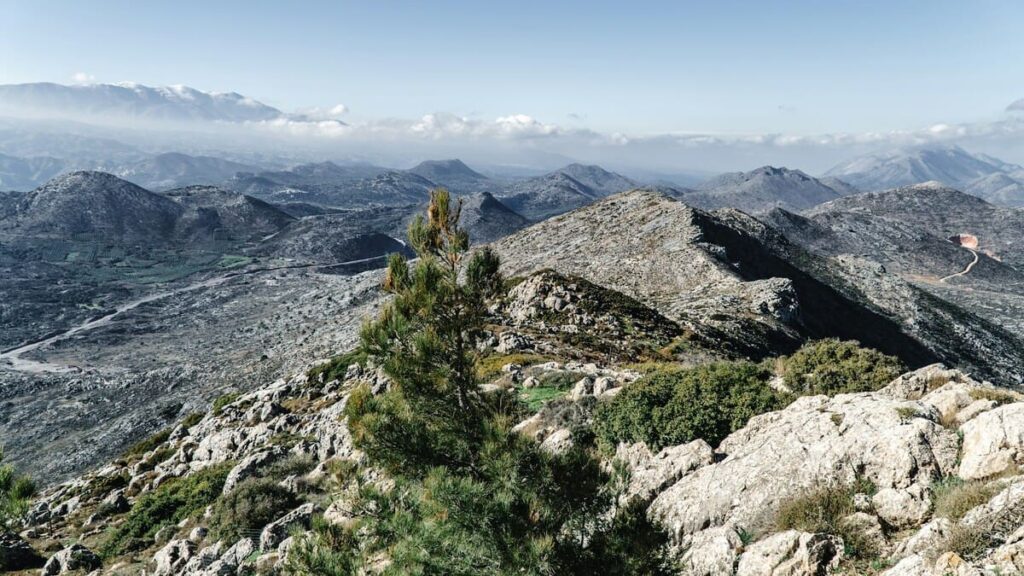
Are you planning an active holiday and would like to go hiking in Crete in ideal weather conditions? Then you should visit the island in spring or autumn, when pleasant temperatures of up to 20 °C, occasional showers and long hours of sunshine ensure a fantastic climate on the island. From March onwards in particular, you can experience how the island’s nature reawakens in its most vibrant colours after its brief winter slumber.
My Experiences
I can say that anyone wishing to enjoy the picturesque natural beauty of this diverse Mediterranean island, its historic towns and fabulous cuisine in ideal conditions and at their leisure should plan a holiday between April and November. Here is my quick overview:
- Best time to visit: Early June, September–October
- Swimming and water sports: June–mid-October
- Nature and hiking: April, May, October
- High season: Mid-June–mid-September
Recommended

Hi. I’m Dirk, adventure traveller, originally from Germany. In 2020, Island Hopper Crete, started as a Greece travel blog. In 2022, I founded a small travel agency in the Balkans to complement my recommendations with some of the best experiences that I found, organized by local partners and friends.
 English
  Français
  Nederlands
  Español
  Polski
  Svenska
  עִבְרִית