
10 Must-Try Foods in Crete, Greece
Crete, an island at the southernmost tip of Europe, is as a place where you can spend weeks there without ever getting bored. There’s so much to discover—and, of course, to taste. In my article on Crete’s food, I’ll reveal what you need to eat to pass as a true Cretan.

By Dirk Pohlers, Greece traveller from Germany. I visit every place I write about & share real tips, photos, & advice from my trips in this Crete travel blog.
Typical Food in Crete:
- Cretan cuisine is characterized by its simplicity: high-quality local products such as olive oil, cheese, honey, wild leafy greens, vegetables, and herbs are central to Cretan cuisine.
- The focus on vegetables, herbs, fruit, little meat and fish, olive oil, cheese, and honey dates back thousands of years to the Minoan civilization on Crete—an impressive (and so delicious!) culinary tradition!
- Aside from its delicious flavors, Cretan cuisine is known for its positive health effects. The use of nutrient-rich ingredients such as olive oil, fresh vegetables, and lean protein contributes to the overall well-being of those who enjoy these dishes.
After all, the island offers its own culinary delights that you won’t find anywhere else in Greece.
Table of Contents
Food and Drink in Crete
In the 1990s, a meta-study confirmed research from the 1950s that the traditional Mediterranean diet of Crete—consisting primarily of plenty of vegetables, wild herbs, vegetables, olive oil, and small amounts of meat and fish, can protect against cardiovascular disease and that people in Crete have a life expectancy above the European average. The Cretans’ proven healthy diet has since become known as the Cretan Diet. So let’s get started with my top 10 delicious Cretan dishes!
10 Must-try Cretan dishes
Dakos Salad
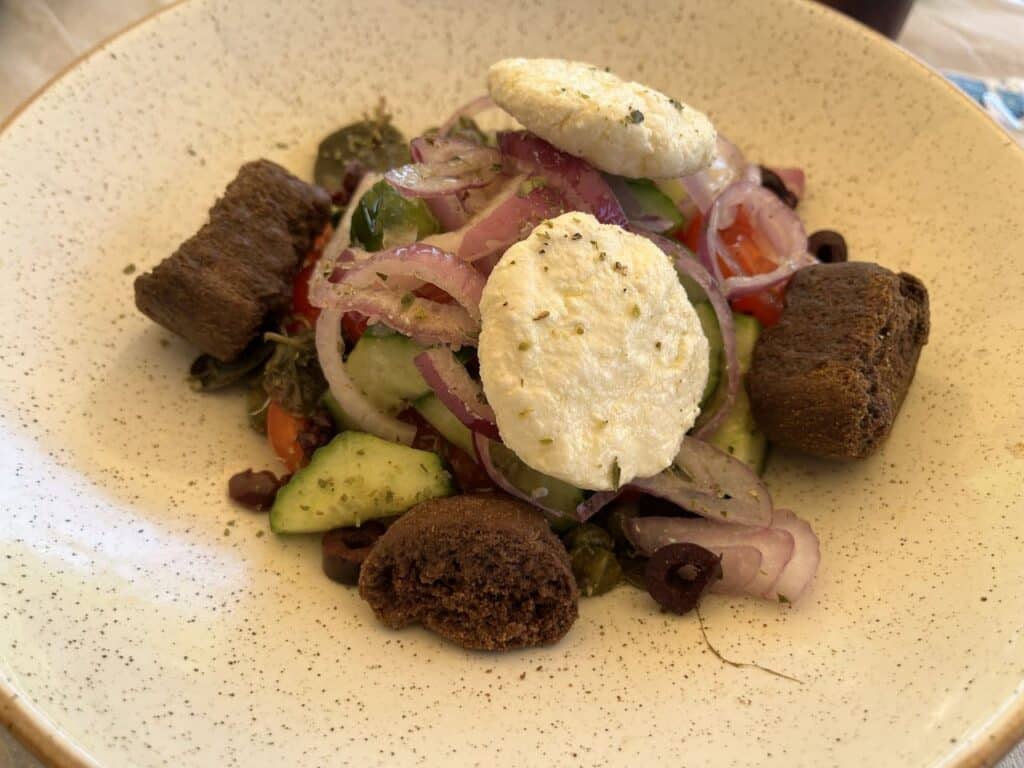
Dakos Salad, a masterpiece in the world of Cretan cuisine, is more than just a barley rusk salad—it is a celebration of the island’s bounty.
Made with the finest Cretan barley rusks, sun-ripened tomatoes, mizithra cheese, and drizzled with olive oil, Dakos Salad captures the essence of the Mediterranean. Beyond its delicious flavor, the Cretan Dakos Salad embodies the health-conscious spirit of Cretan life and offers a wholesome and satisfying experience.
Myzithra
If you want to explore Crete’s culinary scene, you will not be able to avoid Myzithra. This traditional Greek cheese is a true treasure of the island and delights with its versatility and distinctive flavor.
What is Myzithra? Myzithra is a cheese made primarily from the whey of sheep’s or goat’s milk. It belongs to the family of whey cheeses. The cheese is known for its white color, creamy texture, and mild, slightly sweet flavor. It comes in two main varieties: fresh Myzithra, which is soft and moist, and aged Myzithra, also known as “Dry Myzithra,” which becomes hard and crumbly.
In Crete, cheese plays a central role in traditional cuisine. Whether sweet or savory, cheese is incredibly versatile:
- As a meze: Together with olives, tomatoes, and bread, the cheese is a staple of every Cretan appetizer platter.
- In pastries: Sfakiani pita, small flatbreads filled with cheese, are a popular snack.
- For pasta: Mature Myzithra grated over pasta dishes gives them a savory note.
Tsigariasto – Slow-Cooked Lamb
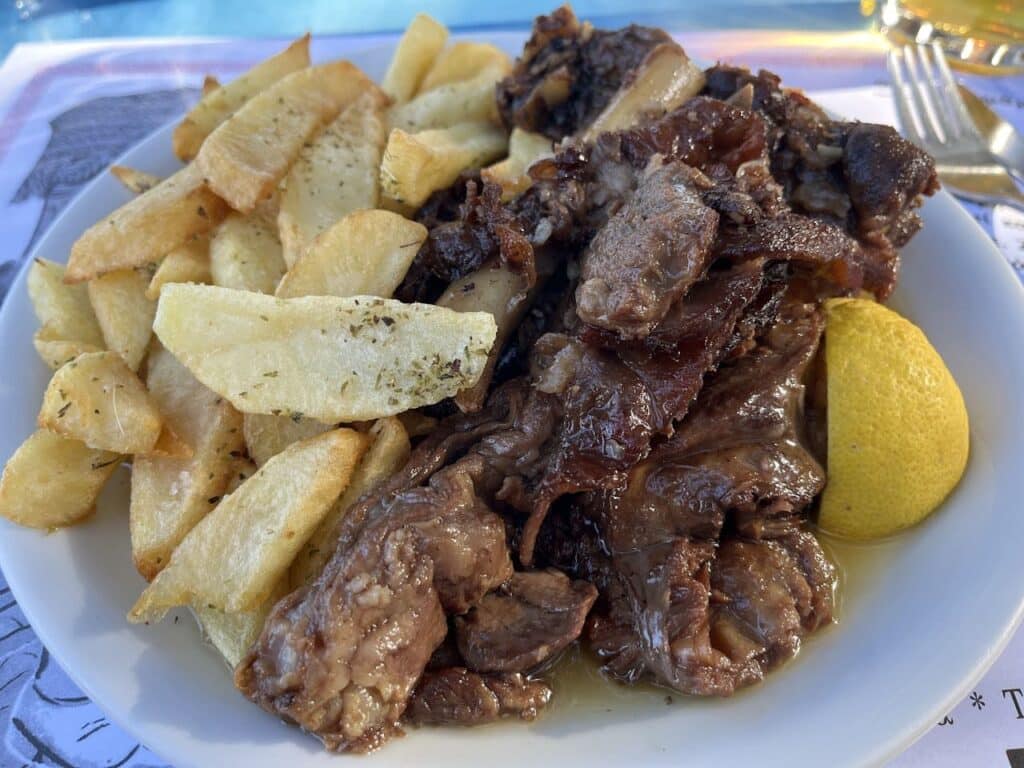
Of course, braised lamb or goat—known as Tsigariasta—is a must-have on my list of top Cretan dishes.
It’s always braised in a wood-fired oven for hours on end. The preparation is quite labor-intensive because it takes so much time. But that’s exactly what you’ll taste. The side dishes, such as vegetables and potatoes, are braised along with the meat and thus take on its flavour. The meat itself becomes so tender that it falls apart on its own and almost melts in your mouth.
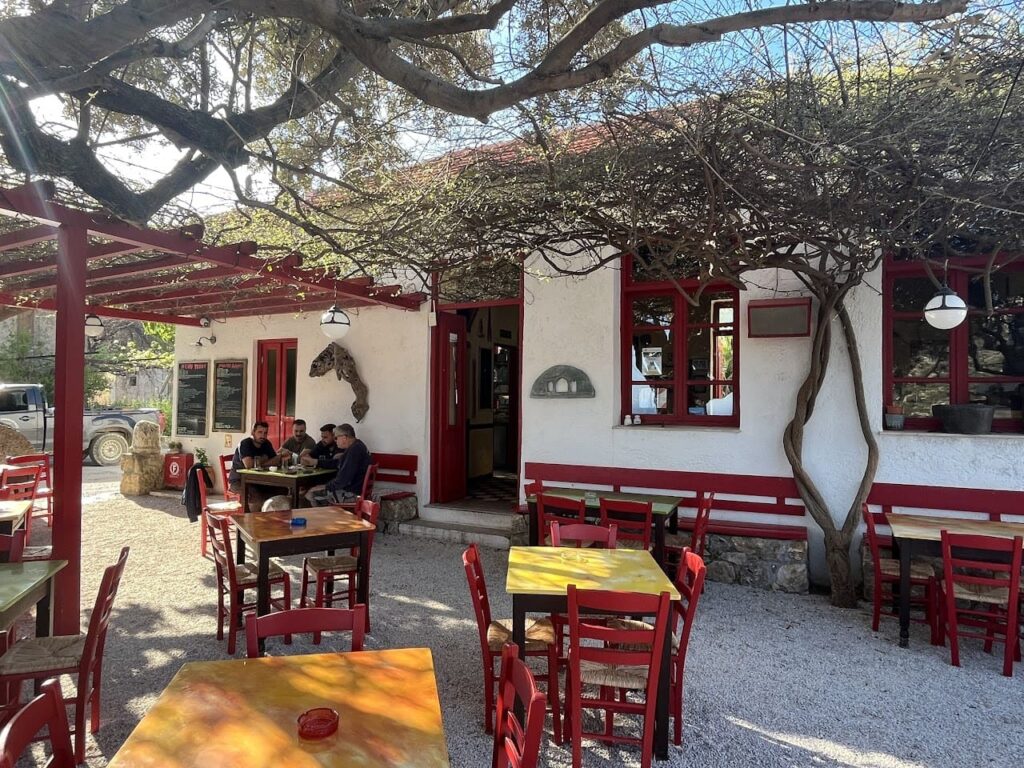
Where to find the best Tsigariasto? I had Tsigariasto made from lamb at Old School House near Paleochora in southern Crete. Perched on a rock in a small village overlooking the Gorge, the restaurant was a great choice.
Skioufichta
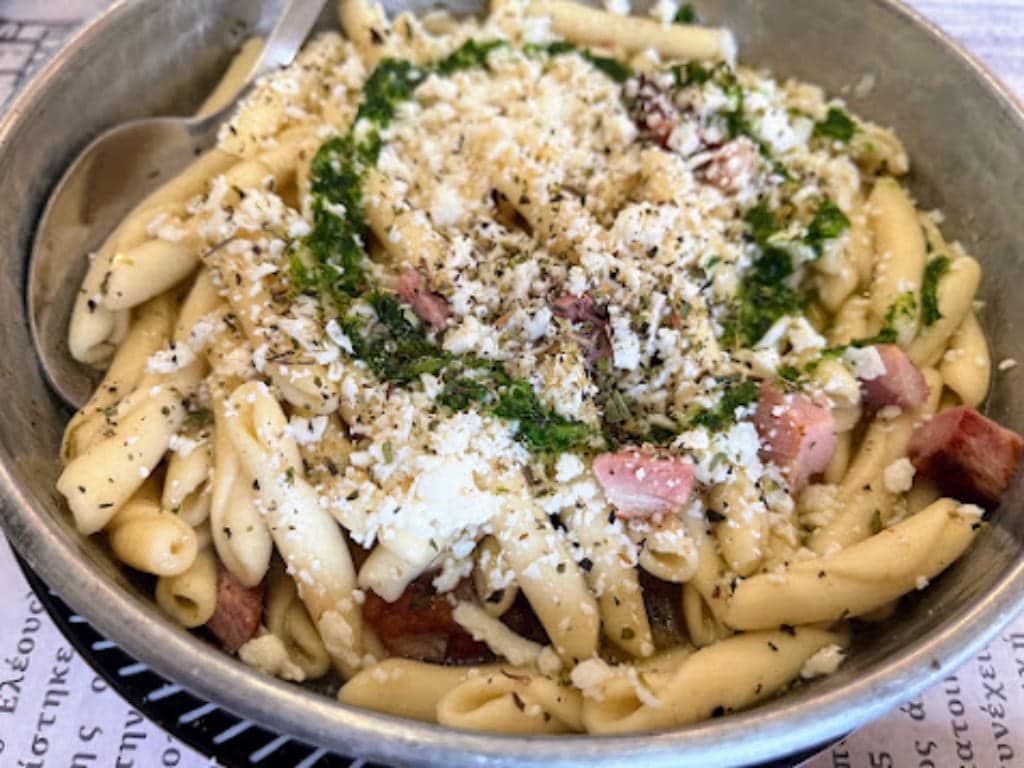
Skioufichta is a traditional handmade Cretan pasta. The name of the pasta is derived from the word skioufizo, which means “to twist” and refers to this production method, which requires a great deal of experience and skill. The pasta is made from whole wheat flour, salt, water, and olive oil or butter.
The dough is rolled into thin strips and then cut into pieces, which are pressed with a spiral motion of the fingers, creating the pasta’s characteristic twisted shape. According to traditional recipes, the pasta is “fried” in butter and then generously sprinkled with grated Anthotyro or Myzithra cheese.
Where to find the best Skioufichta? The best one I had was at PORTA Μεζεδοτεχνείο in Chania (Photo).
Stifado with Rabbit – A Deliciously Seasoned Greek Stew
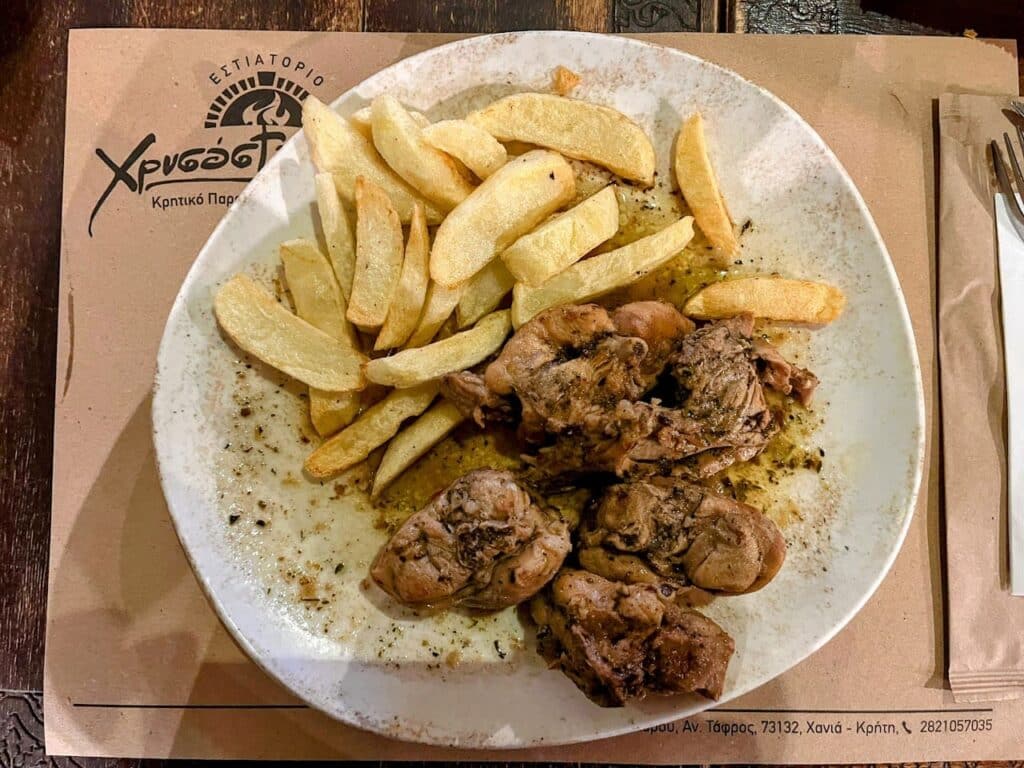
Stifado with rabbit is a Greek meat stew or casserole—a warming classic often with a hint of cinnamon and cumin. Greek Stifado stew is made with beef or rabbit and, as a rustic, down-to-earth dish, is very straightforward. Stifado is sensationally good thanks to the typical herbs and spices. Cinnamon always plays a major role in Greek cuisine, and here a hint of cumin is added. Together, they elevate the already excellent sauce to near-divine heights.
Stifado with Rabbit is more soupy than saucy, making it a stew that is also a (meat) casserole. It’s best to serve it with plenty of potatoes, small Greek Kritharaki pasta, and some bread. The tender lean rabbit meat also sets this Stifado apart from the multitude of other stews. A wonderful dish for cold fall and winter days—oh, and for every other day, too!
Where to find Cretan Rabbit Stew? I had Rabbit Stew at Christostomos in Heraklion and it was just perfect.
Snails (Hohlioi Boubouristoi) – A Unique Cretan Delicacy
Hohlioi boubouristoi, a traditional Cretan dish featuring snails cooked in a pan, embodies the island’s culinary ingenuity.
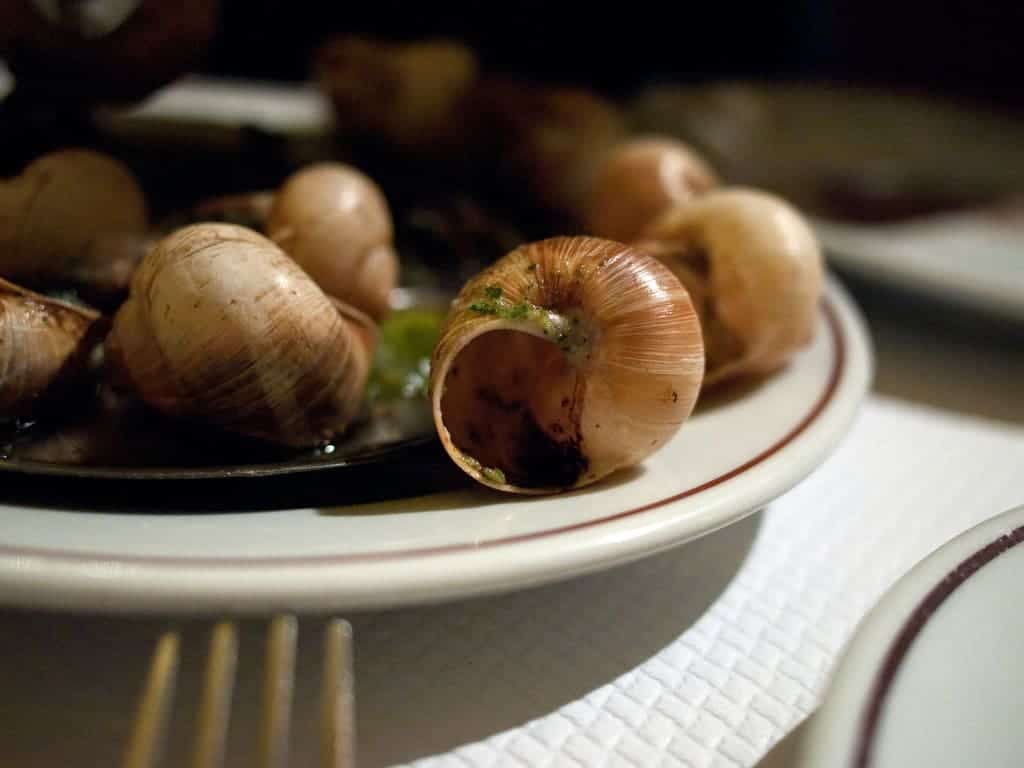
Considered a delicacy and typically served as meze, this typical Cretan dish showcases the ingenuity of Cretan cuisine and utilizes ingredients that are abundant locally. The snails on Crete are carefully prepared with a mixture of aromatic herbs, garlic, and olive oil, offering a flavourful and hearty experience.
Saganaki with Shrimp
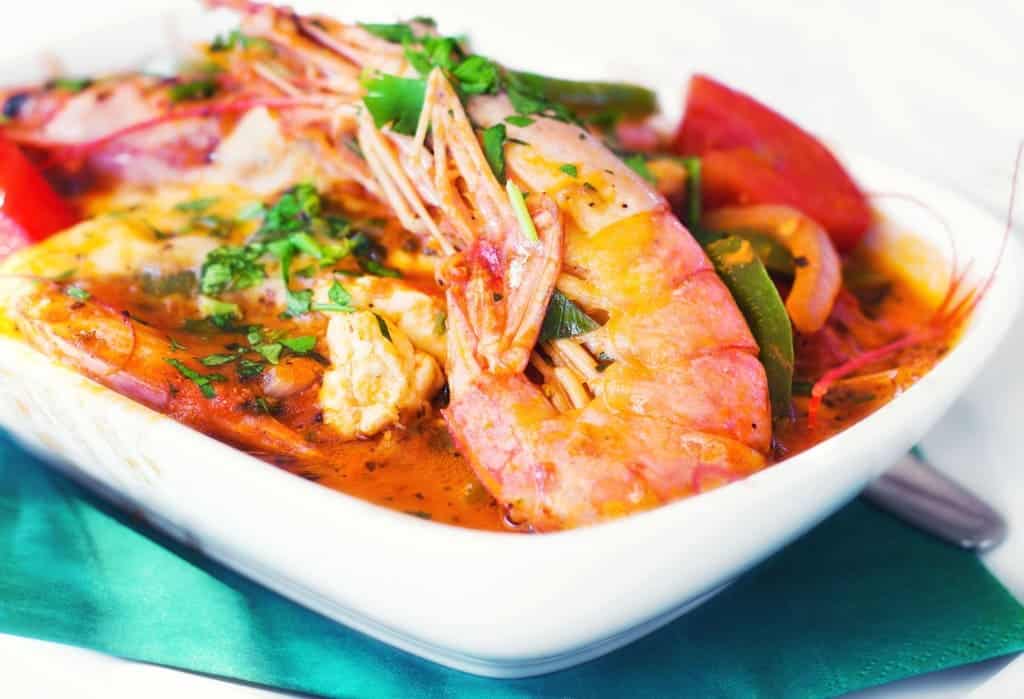
You may already be familiar with Saganaki from other parts of Greece. When you order Saganaki, you usually get feta cheese. Cretan cuisine however is different, even when it comes to Saganaki.
Imagine fruity, diced tomatoes, onions and garlic, diced pieces of feta, and parsley. Wouldn’t fresh shrimp go wonderfully with that? That’s exactly what the Cretans thought, and that’s why they’ve taken the dish Saganaki to a whole new level. A unique flavor emerges when the warm tomatoes combine with the slightly melted feta and the shrimp. Highly recommended!
Olive Oil
Cretan olive oil, the liquid gold of Crete, is more than just an ingredient; it is the cornerstone of Cretan cuisine, renowned for its exceptional quality.
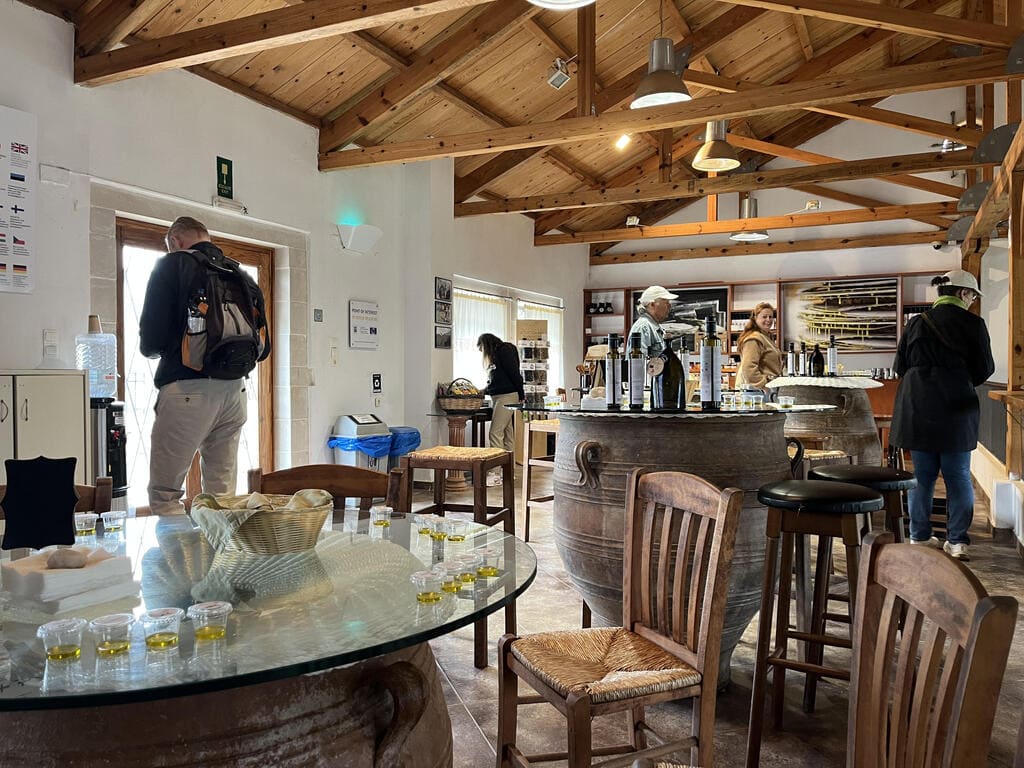
Made from ancient olive trees and sun-kissed groves that have stood the test of time, Cretan olive oil captivates the palate with its rich, fruity flavour and a distinct peppery finish. Beyond its exceptional taste, this golden elixir fits seamlessly into the principles of the Mediterranean diet.
Book your tasting now: From Chania: Olive Oil, Wine, Cheese & Honey Tasting Tour
Packed with heart-healthy monounsaturated fats, powerful antioxidants, and anti-inflammatory properties, Cretan olive oil is more than just a culinary delight—it is a key to well-being.
Raki – The Cretan National Drink
If you visit Crete, trying raki is a must for a rich cultural experience. Known in other Greek regions as “Tsikoudia” or “Tsipouro,” raki holds a special place in Cretan tradition and hospitality.
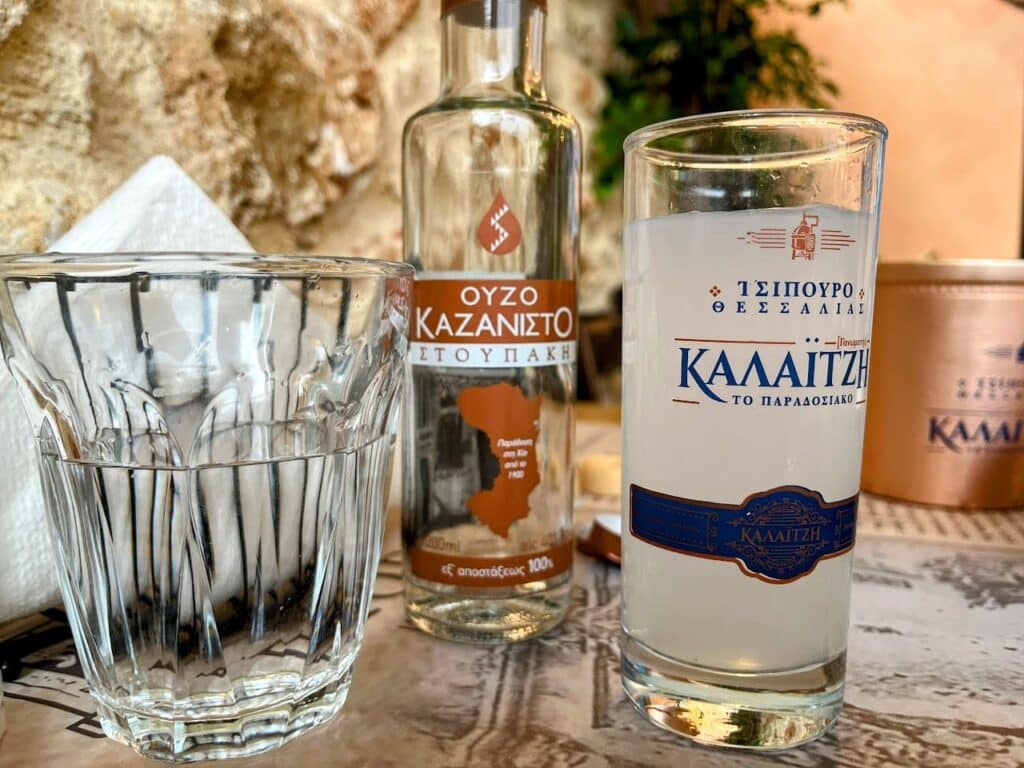
This locally produced spirit, often distilled from grapes, is typically enjoyed during festive occasions, celebrations, or casual gatherings—sharing raki becomes a social catalyst that fosters connections and conversation with the locals.
The craftsmanship, especially in the homemade products, speaks to the Cretans’ dedication and pride in their cultural heritage. If you happen to be in Crete during the winter, you should definitely try rakomelo, a staple of Cretan cuisine!
Cretan Wine
Crete boasts a 4,000-year-old winemaking tradition and is home to fascinating boutique wineries. The island is particularly known for indigenous grape varieties such as Vidiano, Vilana, Kotsifali, and Liatiko. The wine-growing regions span the entire island, with the appellations of Peza, Dafnes, and Archanes standing out. The island’s diverse terroir, characterized by mountainous landscapes and coastal influences, contributes to the distinctiveness of Cretan wines.
The most famous wineries for tastings and tours on Crete are:
- Lyrarakis (Alagni near Heraklion): Known for reviving rare, nearly extinct grape varieties (such as Plyto) and offering fantastic value for money. Tours and tastings are very well organized.
- Domaine Paterianakis (Melidoni near Heraklion): A family-run organic winery known for its modern architecture and elegant, characterful wines.
- Boutari Winery (Skalani near Knossos): One of Greece’s most historic wineries, nestled in an idyllic landscape. In addition to wine tastings, fine Cretan cuisine is served here.
- Manousakis Winery (Vatolakkos near Chania): Located in the west of the island, famous for its organic Nostos wines and excellent tastings with mezze, led by the owner family.
With a flourishing wine culture, Cretan winemakers passionately craft wines that reflect the terroir, history, and warmth of the island’s people, making every sip a delicious expression of Cretan viticulture.
Cretan Desserts
During your stay in Crete, you’ll soon discover that Cretan cheese and honey go hand in hand!
There are many dishes that celebrate this pairing, some served as meze and others as dessert—it all depends on how you prepare them, how you combine the ingredients, and how much Cretan thyme honey you drizzle on top.
Bougatsa
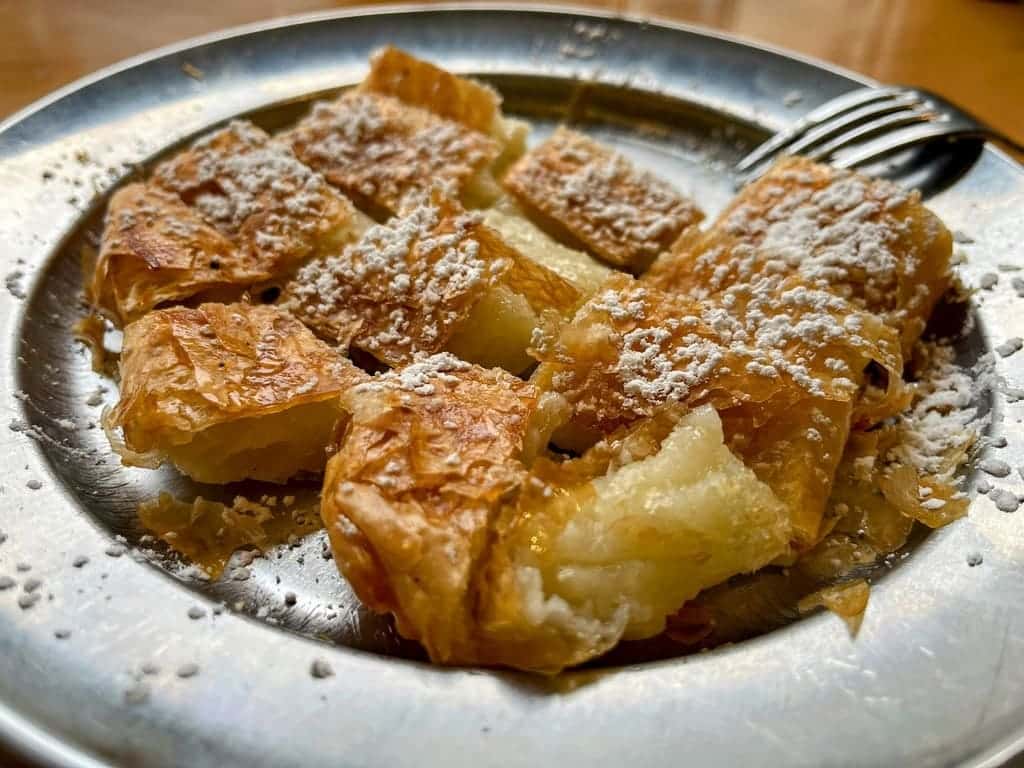
Bougatsa is a pastry made from phyllo dough with fillings that vary from region to region. I enjoyed my first bougatsa in Thessaloniki and that’s supposedly where it comes from. And what can I say: it was incredibly delicious!
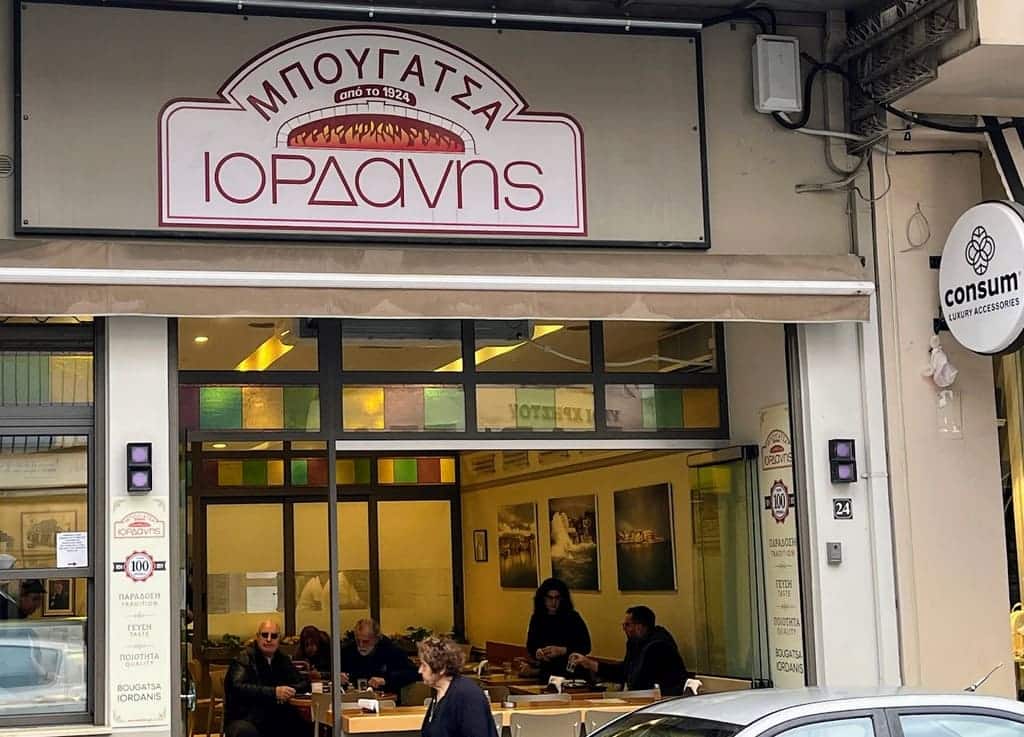
At the famous pastry shop “Iordanis” in Chania (Crete), bougatsa has been freshly baked every day since 1922—a family tradition spanning generations! For more than 100! years, the uniqueness of this shop has been featured in countless food and travel magazines.
Kalitsounia
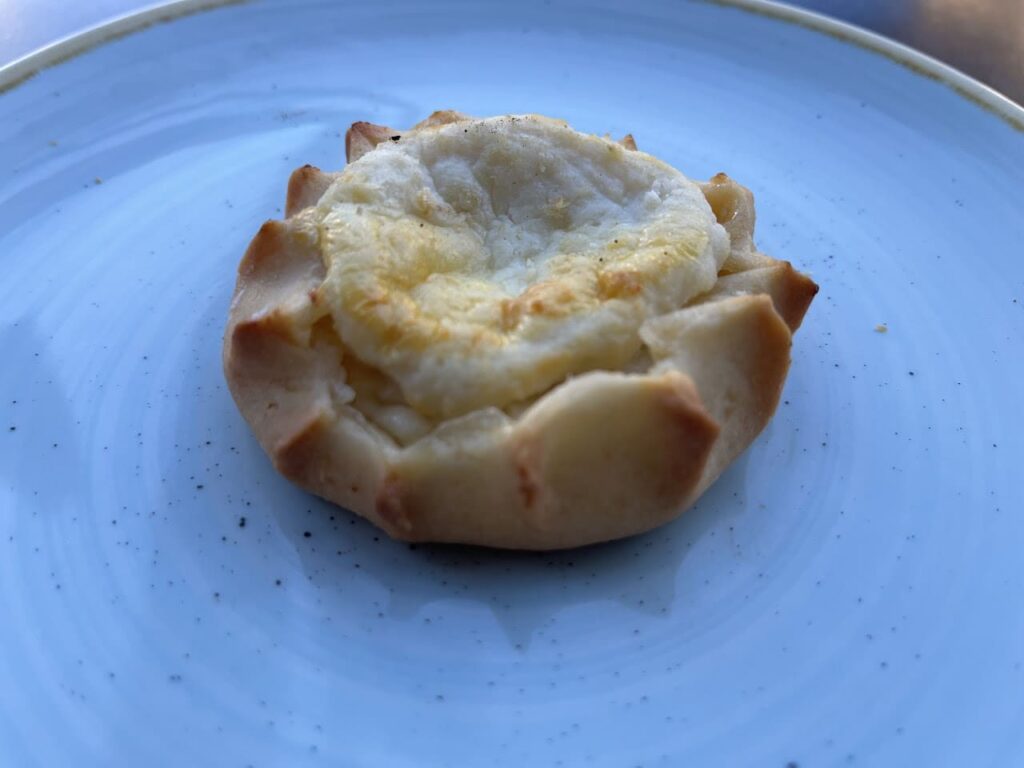
Savory kalitsounia are filled with mizithra cheese and herbs, while sweet kalitsounia are served drizzled with honey.
Sarikopitakia
This is another type of Cretan cheese pie that takes its name from the traditional Cretan “sariki,” a type of headband worn with traditional Cretan folk costume. They are fried in olive oil, which gives them a crispy bite.
Pita Sfakiani
Hailing from the village of Sfakia, sfakianes pites are filled with local mizithra cheese, pan-fried, and drizzled with a generous amount of Cretan honey.
FAQ
What is Crete’s national dish?
The unofficial national dish of Crete is Dakos (also Ntakos).
What is the difference between Greek and Cretan cuisine?
Cretan cuisine is a highly specialized, regional variation of Greek cuisine. While the mainland is often known for meat-heavy oven-baked dishes and tzatziki, Crete focuses on extremely fresh wild herbs, legumes, mountain cheese, and the generous use of extra-virgin olive oil as a base.

Hi. I’m Dirk, adventure traveller, originally from Germany. In 2020, Island Hopper Crete, started as a Greece travel blog. In 2022, I founded a small travel agency in the Balkans to complement my recommendations with some of the best experiences that I found, organized by local partners and friends.
 English
  Français
  Nederlands
  Español
  Polski
  Svenska
  עִבְרִית